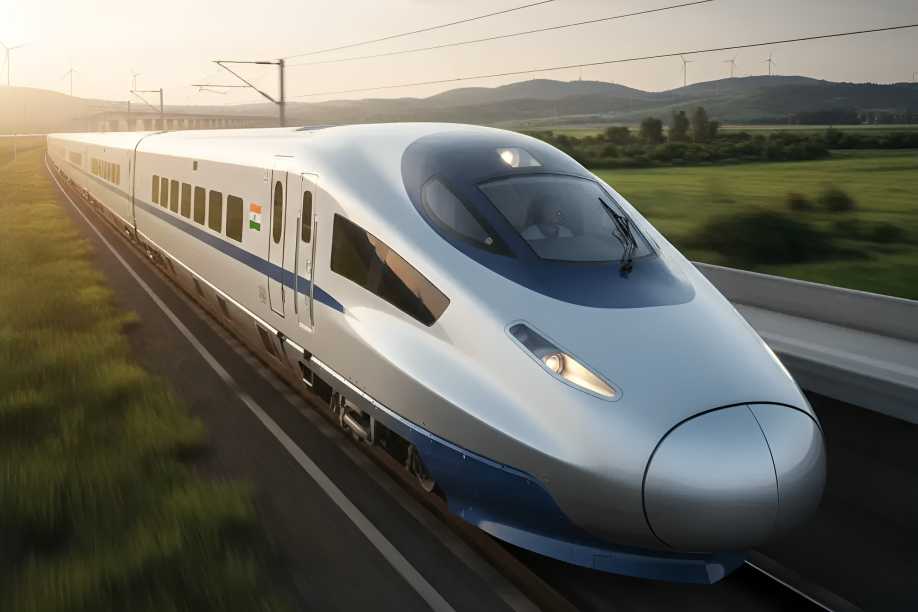

India’s first bullet train project is moving closer to passenger operations, with Railway Minister Ashwini Vaishnaw saying the first operational section of the Mumbai-Ahmedabad High-Speed Rail (MAHSR) corridor is targeted to open by mid-2027. The first section, between Surat and Vapi, is expected to be ready by December 2026, followed by extensive testing before commercial services begin.
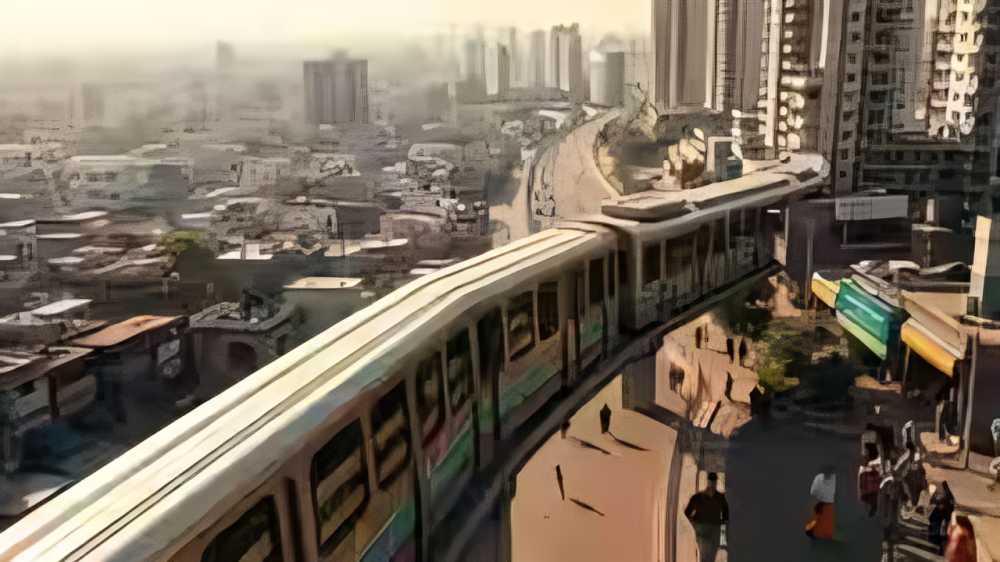
The project is being executed by the National High Speed Rail Corporation Limited (NHSRCL). Construction has advanced significantly across Maharashtra, particularly in Thane and Palghar, where a 135.45-km elevated section runs from Shilphata to Zaroli on the Maharashtra-Gujarat border. Of this stretch, 124.027 km comprises viaducts and bridges, with nearly 74 km of piers already completed.
Three elevated stations are being developed at Thane, Virar and Boisar, while construction is supported by nine casting yards and multiple launching gantries operating in Maharashtra.
Testing Before Passenger Services
Completion of civil works will not immediately lead to commercial operations. The track, signalling, electrical systems, stations and rolling stock will undergo extensive testing and safety checks before passengers can be carried.
Vaishnaw said testing of the indigenous high-speed train is expected to begin around April-May 2027, with the first section subsequently targeted for opening around the middle of the year. The train’s major components, including its car body, bogie, propulsion system, vehicle electronics, wheels and pantograph, are progressing, while its body frame is undergoing a squeeze test.
High-Speed Technology
The MAHSR corridor is designed for operations of up to 320 kmph. Its infrastructure includes advanced high-speed turnouts equipped with movable or swing-nose crossings, designed to provide continuous wheel guidance and reduce impact and vibration compared with conventional fixed crossings.
With construction moving towards completion on the initial section, the project is entering a crucial transition from construction to testing, commissioning and safety certification. The exact start of commercial operations will depend on the successful completion of these stages and the required approvals.
Source: Mathrubhumi