
A home can sometimes appear more cramped than its actual size because of the way furniture, décor and window treatments are arranged. Interior designers say a few common choices can reduce the sense of openness without requiring any structural changes.
Three designers – Shiva Samiei, Samuel Davis and Elissa Hall, have identified several elements that can make rooms feel tighter and visually heavier.
Oversized Furniture
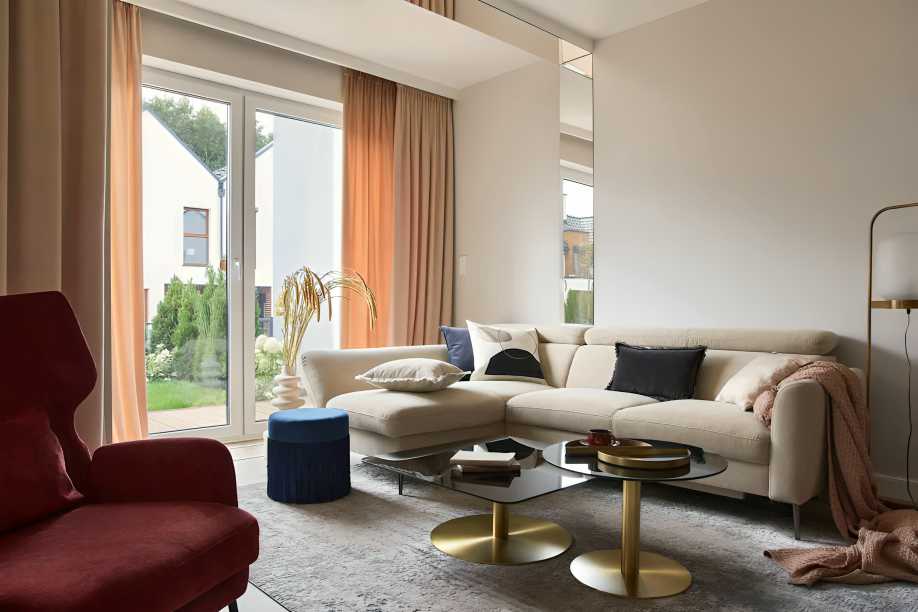
Large furniture can quickly consume valuable circulation space. Shiva Samiei says sofas should have sufficient clearance around them to maintain comfortable movement.
“A three-seater sofa, measured correctly, should have at least 30 inches of walking space around it; yet, in 80% of my first consultations with clients, I see sofas that leave only 12-15 inches of clearance and make the rooms feel tight and uncomfortable,” she says.
Choosing furniture that matches the room’s proportions can therefore make a noticeable difference.
Dark Window Treatments
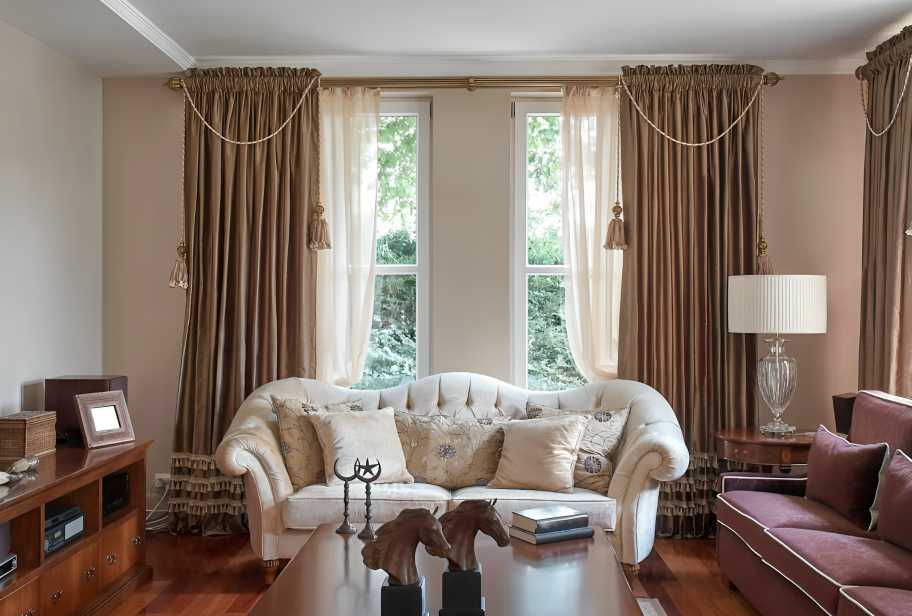
Heavy, dark curtains can make windows appear smaller and reduce the visual height of a room. Samiei recommends considering roller shades fitted within the window frame as an alternative, particularly where creating a more open appearance is the priority.
Too Many Decorative Objects
An excess of small decorative pieces can make surfaces look crowded and add visual weight.
“My rule: no more than three to five items per horizontal surface,” Samiei says. “When I’m editing a client’s picture frames from 27 down to seven strategic pieces, the room’s visual weight plummets.”
Reducing the number of objects on shelves, desks and side tables can create a cleaner appearance.
Low-Profile Furniture
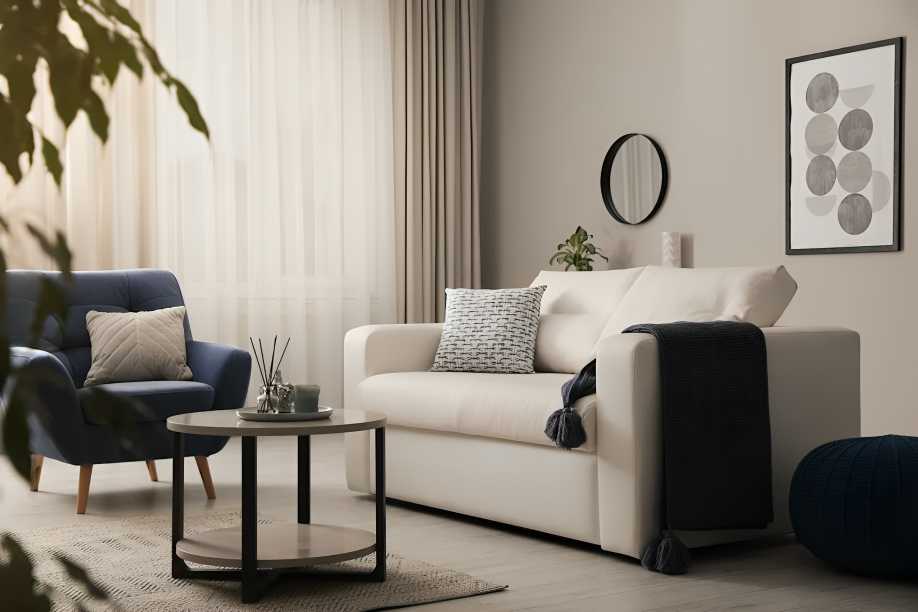
Samuel Davis says very low furniture can sometimes make a room appear less spacious by reducing its perceived vertical height.
“Despite low-profile furniture appearing to be space conserving, it actually does the opposite of maximizing the spatial efficiency by creating the effect of lowered ceiling,” Davis says. “While taller furniture pieces which are vertical in nature provides an impression of height thereby making the room spacious.”
Taller shelving and vertically oriented furniture can help draw the eye upward.
Too Many Small-Scale Pieces
Elissa Hall points to another frequently overlooked issue: using too many small rugs, artworks or furniture pieces.
“A room filled with multiple small rugs or wall hangings can feel disjointed and busy,” Hall says.
Her solution is to create stronger visual anchors.
“Opt for a larger area rug or a few larger pieces of artwork to create a sense of cohesion and flow,” Hall says.
Together, these simple adjustments can help rooms feel more organised, balanced and spacious without changing their actual dimensions.
Source: The Spruce