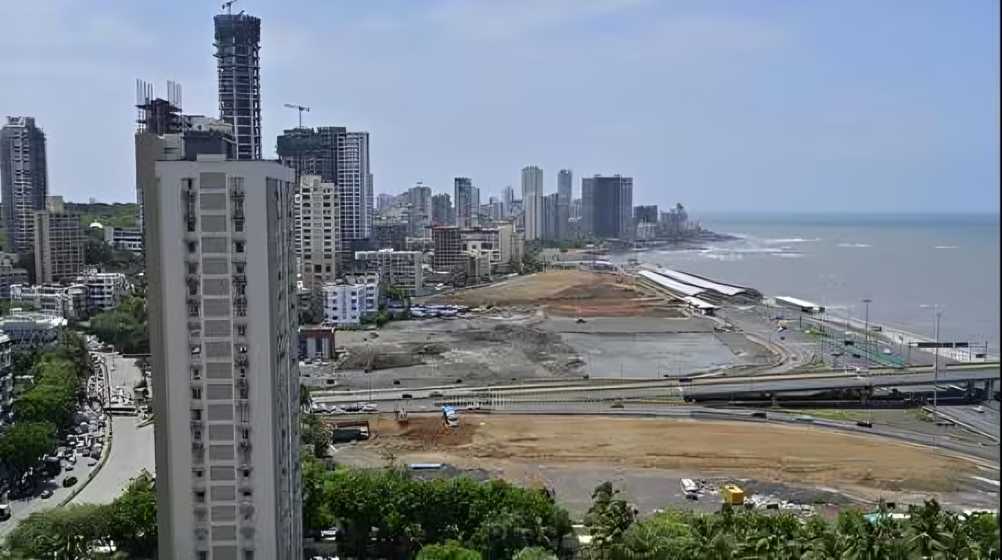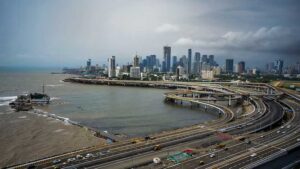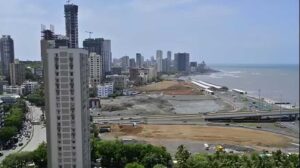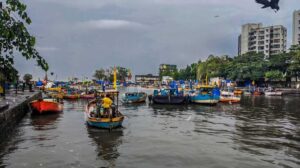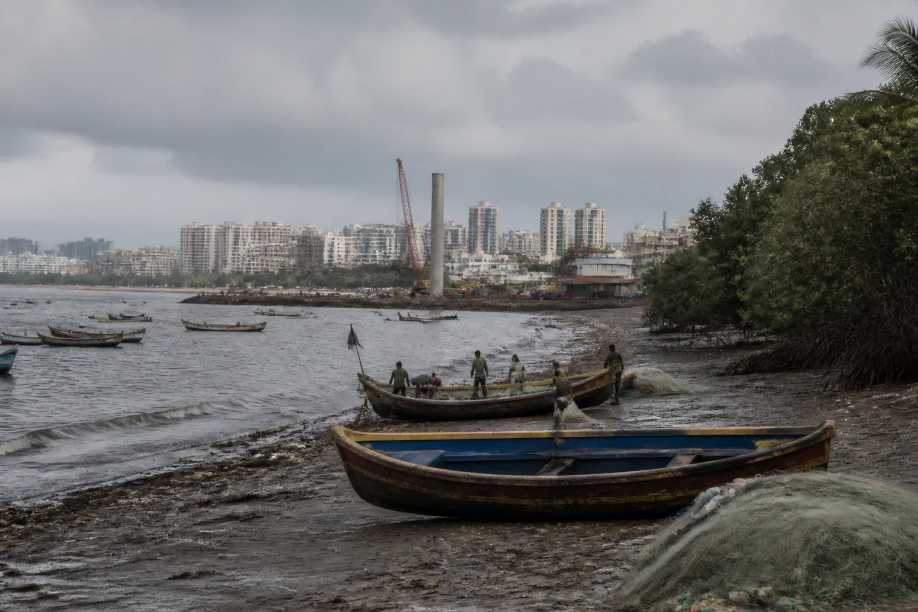

The proposed 400 million litres per day (MLD) desalination plant at Manori has triggered opposition from local fishing communities and Koli organisations, who have raised concerns about its potential impact on coastal ecology and traditional livelihoods.
The Brihanmumbai Municipal Corporation (BMC) plans to develop the facility as part of efforts to strengthen Mumbai’s water supply amid rising demand linked to urbanisation, population growth and expanding construction. Unlike conventional sources that depend on rainfall and reservoir storage, desalination would allow the city to draw water directly from the sea.
However, fishing organisations have decided to intensify their opposition. According to a report by Loksatta, representatives from Gorai, Manori, Pali, Malvani, Uttan, Mumbai and Uran, along with farmers and other coastal residents, met at Gorai Multipurpose Hall on September 26 to discuss the proposal.
The groups have planned a march to the district collector’s office on October 19, seeking cancellation of the project.
The communities have expressed apprehension that the facility could affect fishing activity, marine ecosystems and the economic interests of families dependent on the coast. However, the available information does not establish that these impacts will necessarily occur.
Technical details concerning the proposed plant’s seawater intake system, discharge arrangements, construction footprint and environmental assessment have not been provided in the supplied material. These factors would be important in determining the project’s ecological implications, particularly regarding the management of concentrated saline water produced during desalination.
The proposal highlights a broader challenge for Mumbai: balancing city-wide water requirements with the concerns of communities living around infrastructure sites.
While a 400 MLD facility could potentially diversify Mumbai’s water sources and reduce dependence on rainfall and lakes, capacity alone does not indicate how much water would ultimately reach the city’s distribution network, when production would begin or what supporting infrastructure would be required.
The current status of regulatory approvals, project cost, implementation schedule and contracting arrangements also remains unspecified.
The September 26 meeting is notable for bringing together fishing communities, farmers and residents from several coastal settlements. Their planned protest indicates that opposition is being framed as a wider coastal issue rather than a concern limited to Manori.
For the BMC, the next phase will involve addressing questions surrounding environmental safeguards, project design and community concerns as Mumbai considers desalination as part of its long-term water strategy.
Source: Urban Acres