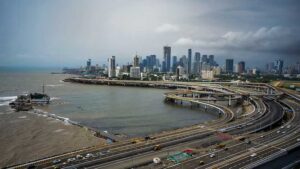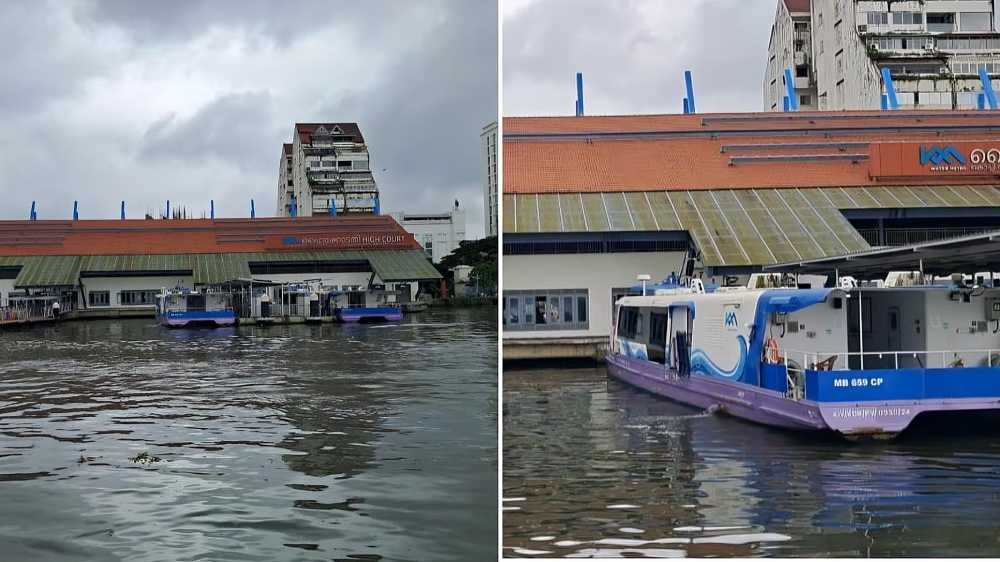

Mumbai’s proposed Rs 6,066-crore Water Metro is expected to face operating conditions significantly different from those encountered by Kochi’s water-based transit network. The 340-km Maharashtra project will span tidal creeks, harbour waters, rivers and potentially open-sea stretches, requiring detailed assessments before services begin.
The proposed network includes 33 routes, 44 terminals and around 203 electric or hybrid vessels. It is planned to connect Mumbai with Navi Mumbai, Thane, Kalyan, Vasai and Mira-Bhayandar.
The differences between the two systems emerged during The Free Press Journal’s visit to Kochi Water Metro. Dr M.P. Ram Navas, Director (Projects), Kochi Metro Rail Limited (KMRL), and Shaji P. Janardhanan, Chief General Manager, Kochi Water Metro, outlined the technical and operational considerations involved in developing such a network.
KMRL has been associated with Maharashtra’s Water Metro project since its planning phase. It first carried out a feasibility study and later prepared the Detailed Project Report (DPR).
Unlike Kochi, where much of the network operates in comparatively sheltered backwaters, Mumbai’s proposed routes will encounter stronger tidal influences and more varied waterways. Route-specific studies will therefore need to examine navigational depth, tidal fluctuations, silt accumulation, underwater rock formations, bridge clearances, monsoon conditions and environmental requirements.
These factors could be particularly significant for potential connectivity towards Thane, Kalyan and the wider Ulhas River region. Any service along the Ulhas River would depend on factors such as water depth, river characteristics, seasonal changes, underwater obstructions, environmental approvals and suitable terminal locations.
The Kochi experience also highlights that a Water Metro requires more than electric boats. Terminals, vessels, ticketing, passenger information, communication systems and a centralised Operation Control Centre need to function as one integrated transport network.
Floating pontoons that adjust to changing water levels could also prove useful in Mumbai’s tidal environment, particularly for elderly and differently abled passengers.
The project’s long-term viability will ultimately depend on factors including journey times, service frequency, fares and seamless connections with Mumbai’s suburban railways, Metro network and buses.
Source: The Free Press Journal