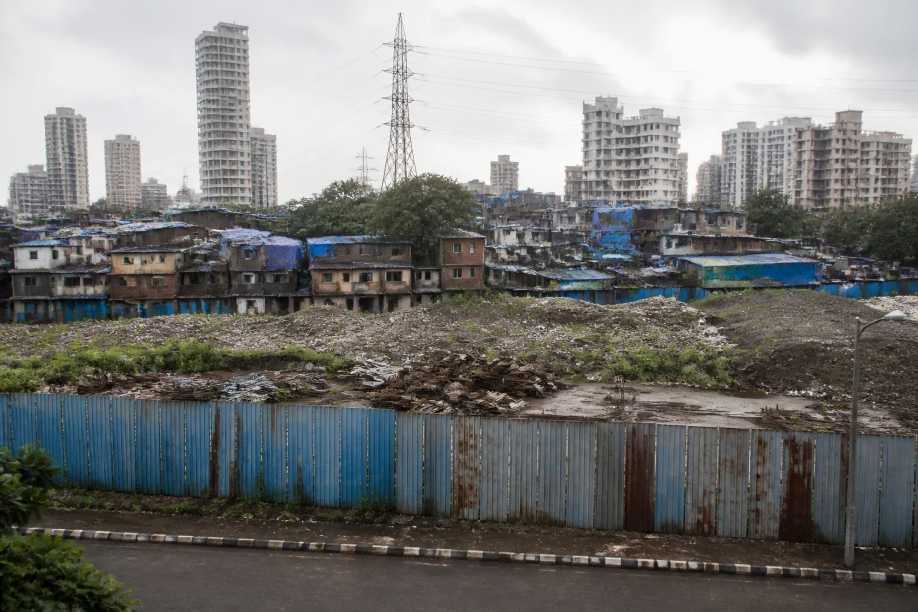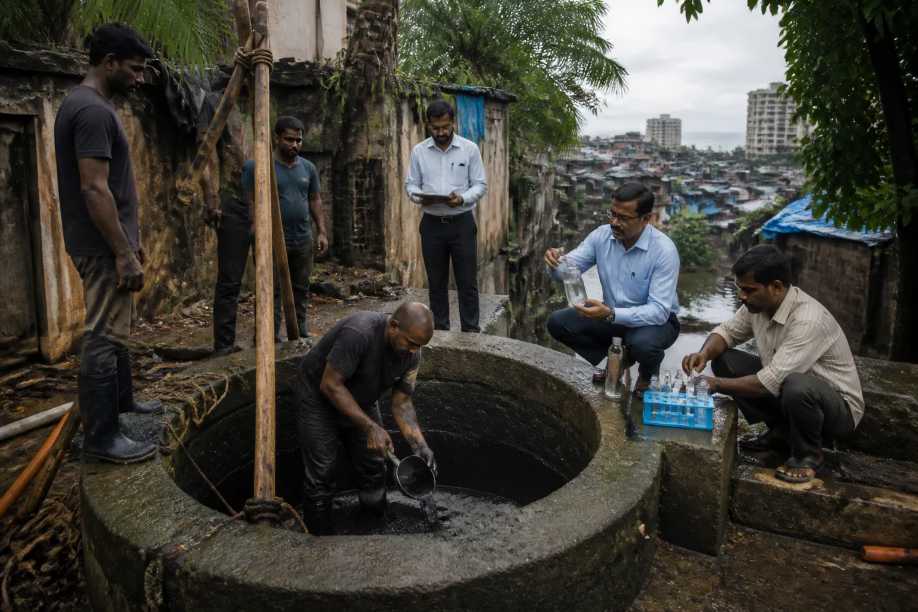

Mumbai’s plan to restore 3,000 wells and develop nearly 10,000 recharge structures signals a renewed focus on groundwater as part of the city’s water strategy. The initiative comes amid concerns over uncertain rainfall, rising temperatures and the possible impact of El Niño conditions on water availability.
The Brihanmumbai Municipal Corporation (BMC) has begun desilting wells across the island city and suburbs while assessing groundwater salinisation caused by potential seawater intrusion. The programme follows the state’s declaration of drought in 265 of Maharashtra’s 358 tehsils and aims to strengthen alternative water resources ahead of the 2027 monsoon.
Mumbai currently depends largely on seven lakes for its potable and industrial water supply. Together, they provide around 3,850 million litres per day (MLD), against an estimated requirement of 4,200 MLD. Despite lake levels reaching about 97% of total capacity, the BMC has retained a 10% water cut to ensure supplies last through the year.
The gap highlights the difference between water storage and long-term security. While reservoirs may be well stocked after the monsoon, the city must manage that water throughout the year. A weak or delayed monsoon could therefore create additional pressure on an already stretched system.
Groundwater once played a much larger role in Mumbai’s water supply. Before large dams and water schemes expanded from the late 1860s, dug wells and borewells were important sources. Over time, many wells fell into disuse, accumulated silt and lost their natural recharge pathways.
The BMC’s revival programme seeks to restore these structures by removing silt and reopening underground water flows. Officials have identified around 3,000 wells for restoration and are also planning approximately 10,000 recharge structures.
However, quantity is only one concern. The BMC has appointed the All India Institute of Local Self Government to examine salinity levels through water samples collected across Mumbai. The study will assess seawater intrusion and recommend measures to manage groundwater quality.
The initiative therefore combines well restoration, groundwater recharge and quality assessment. Its success will ultimately depend on how much usable water the revived network can generate.
The BMC is not replacing Mumbai’s lake-based system. Instead, the programme seeks to create an additional layer of resilience, reducing the city’s dependence on a centralised supply network vulnerable to rainfall fluctuations and climate pressures.
Source: Urban Acres