
Mumbai’s public gardens and open spaces are facing a growing maintenance crisis, with nearly 200 sites requiring construction or repair but remaining unattended due to inadequate funding, according to BMC records cited by The Indian Express.
The financial pressure comes as the city grapples with rising heat and pollution and seeks greater access to usable green spaces. The BMC’s garden and tree department has received a final allocation of Rs 68 crore for the current financial year, sharply below the Rs 200 crore proposed earlier. The allocation is also lower than the Rs 180.83 crore provided in 2023-24, representing a 62 per cent decline over three years.
The funding gap is particularly significant given the scale of pending work. BMC records show around 210 requests from elected representatives for new gardens, recreational grounds and playgrounds. A technical assessment estimated that basic work across several such sites could require about Rs 250 crore. Officials have also received requests involving projects worth Rs 710 crore, although some were considered unfeasible or could not be taken up immediately.
Creating a garden involves more than landscaping. Land must first be transferred to the civic body, followed by soil improvement, installation of play equipment, gyms, furniture and compound walls. Officials estimate that developing a new garden can cost Rs 25 crore to Rs 30 crore, while basic repairs may require Rs 4 crore to Rs 5 crore.
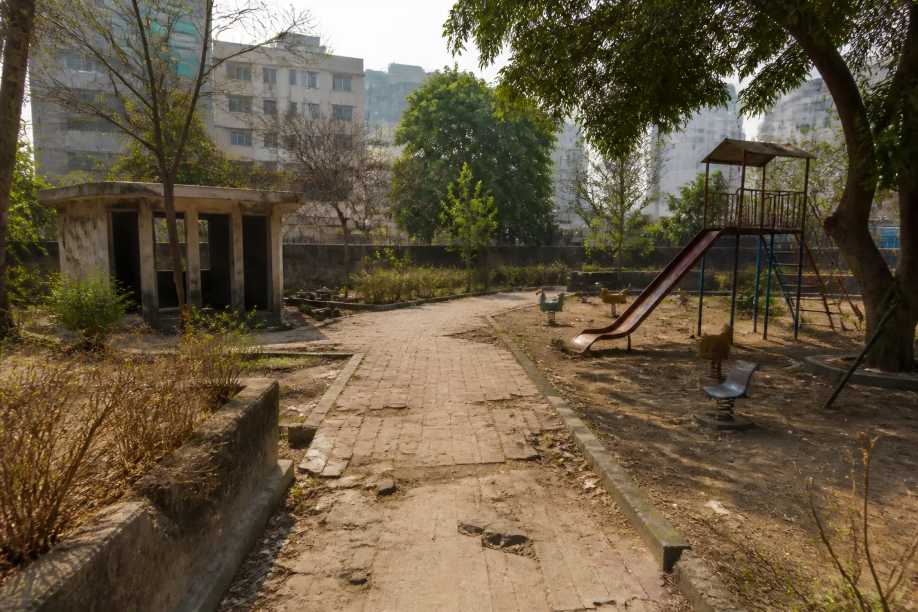
The impact of the funding shortage is already visible. Some gardens reportedly have not undergone repairs for nearly a decade, while recent inspections found damaged pathways, broken play equipment, non-functional toilets and encroachments.
Several affected areas include Govandi, Deonar, Chembur, Kanjurmarg, Bhandup, Kurla and Jogeshwari. The situation highlights that simply having open-space reservations does not guarantee residents access to safe and functional recreational facilities.
Mumbai’s overall open-space availability is also limited, with civic records putting the ratio at around 0.87 square metre per person, far below recommended urban planning benchmarks.
Ganesh Khankar, leader of the house and a BJP corporator, said discussions were underway to raise the gardens department’s allocation by 25 to 30 per cent this year, with further correction planned next year.
The challenge, however, extends beyond funding. With major infrastructure projects absorbing a significant share of BMC’s capital expenditure, gardens often compete for resources despite their importance to neighbourhood-level quality of life. For Mumbai, improving green cover will therefore require not only creating new spaces, but ensuring existing gardens remain accessible, maintained and usable.
Source: Urban Acres