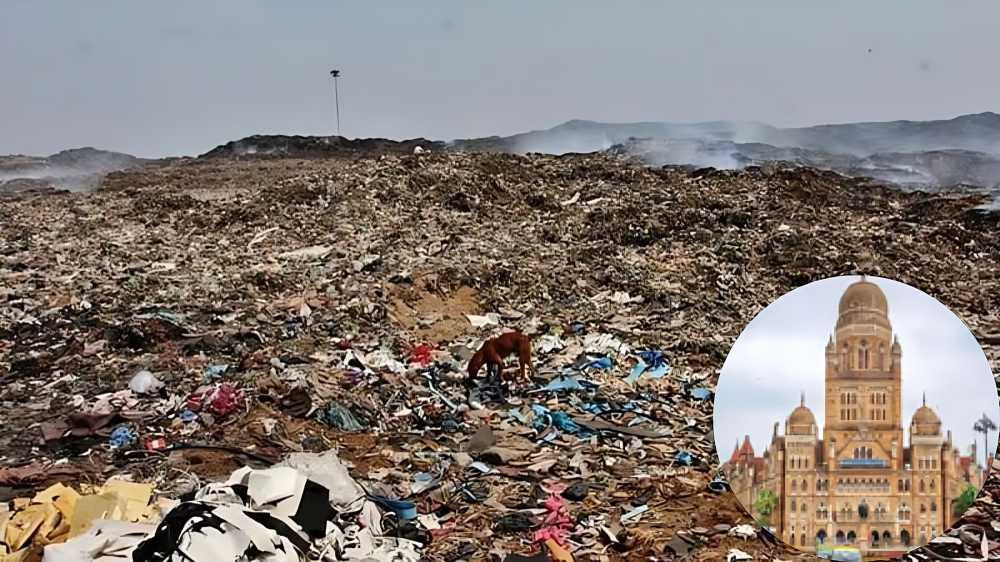

The Brihanmumbai Municipal Corporation (BMC) has proposed spending Rs 7.72 crore to hire 12 Poclain machines for 400 days at Deonar dumping ground, as large-scale waste remediation remains pending and the proposed Waste-to-Energy (WtE) facility awaits commissioning. The equipment is expected to support routine landfill operations and help control recurring fires.
Deonar receives approximately 600–700 metric tonnes of garbage every day, alongside 800–900 metric tonnes of debris used to cover the waste. Poclain machines have been integral to operations at the site since 2016, underlining the continued dependence on heavy equipment while long-term waste management initiatives remain delayed.
Legacy Waste Project Awaits Clearances
The civic body has awarded Navayuga Engineering Company Ltd a contract to treat 185 lakh tonnes of accumulated waste and reclaim 110 hectares of land at Deonar. The Letter of Acceptance was issued on October 10, 2025, but work has yet to commence as the project awaits mandatory statutory approvals.
Meanwhile, the WtE plant, planned to process 600 metric tonnes of waste daily and generate seven megawatts of electricity, is now expected to become operational by December 2026.
“Until these projects become operational, Poclain machines remain essential to keeping Deonar’s daily operations running,” a civic official said.
Equipment to Manage Waste and Reduce Fire Threats
The 12 machines will be used to level high garbage mounds and redistribute waste across the landfill. Operations will run in two shifts, with seven machines deployed during the day and five at night.
Their role is particularly important between October and May, when decomposing waste releases combustible gases that can trigger fires. Officials said waste is shifted using Poclain machines and doused with water to help contain and extinguish flames.
Three companies submitted bids for the work, with Anshuman & Co. emerging as the lowest bidder at Rs 7.72 crore. The BMC administration has submitted the proposal to the Standing Committee for final approval at its forthcoming Wednesday meeting.
Spread across nearly 120 hectares, Deonar has received waste since 1927. Despite partial capping, accumulated garbage continues to pose environmental and public health concerns, including fires, methane emissions and leachate seepage.
Source: The Free Press Journal