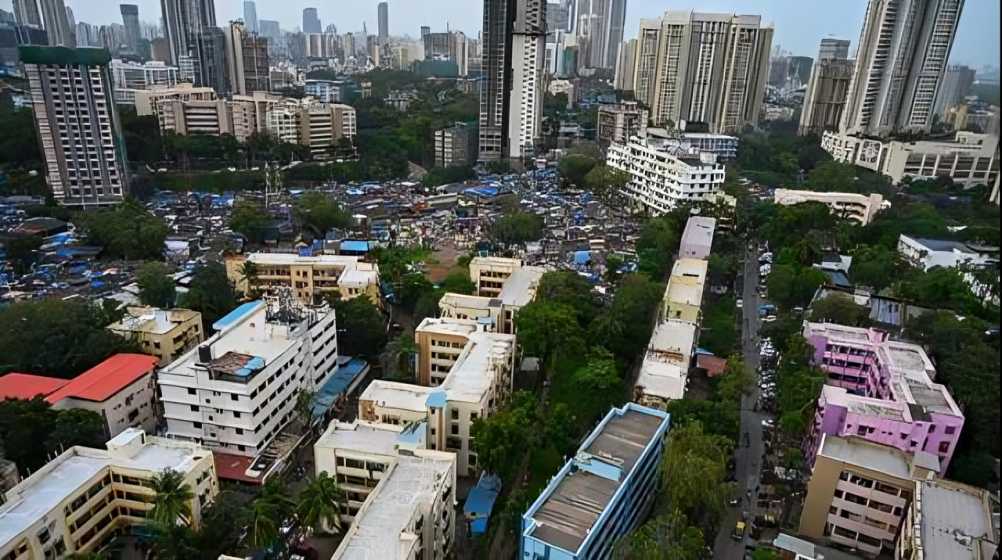

Mumbai is undergoing a major urban transformation as redevelopment reshapes residential neighbourhoods, property markets and the everyday lives of its residents. From ageing chawls to large housing colonies, low-rise structures are increasingly making way for high-rise developments, raising questions about the city’s future.
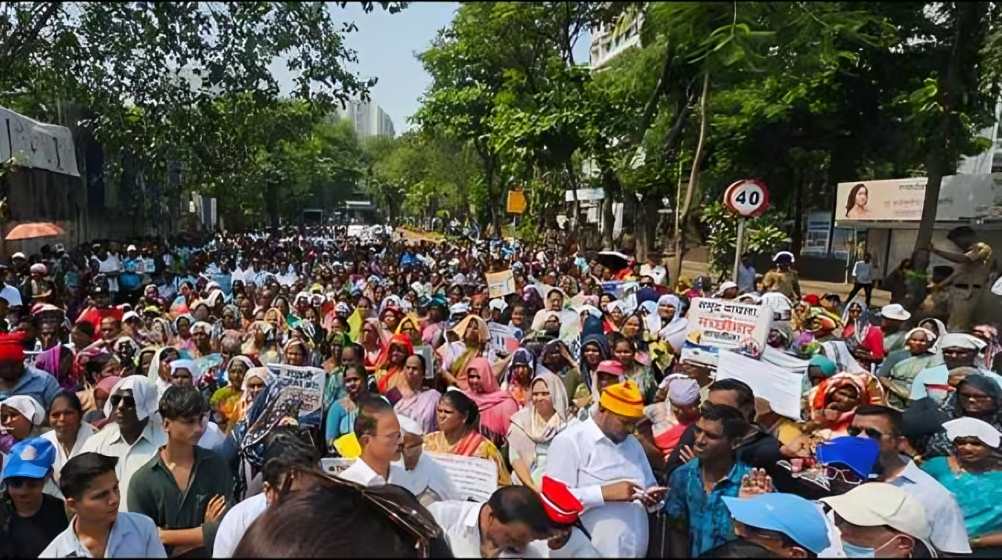
At Kalachowkie’s Abhyudaya Nagar, an integrated cluster redevelopment project will replace 48 old buildings spread across 33 acres. Around 3,410 families currently living in 220-sq-ft homes are expected to receive apartments nearly three times larger. However, residents are also concerned about losing the close-knit community atmosphere that has defined the neighbourhood.
The redevelopment movement gained momentum after economic liberalisation in 1991. Changes to Development Control Regulations in 1999 introduced incentives such as free-sale apartments and slum Transferable Development Rights (TDR). The Development Control and Promotion Regulations 2034, notified in 2018, further increased development potential through higher Floor Space Index (FSI) and additional construction allowances.
The post-pandemic period accelerated the trend, supported by government incentives and regulatory changes. Knight Frank India estimates that ongoing housing society redevelopment could add 44,277 homes worth ₹1,305 billion by 2030. CREDAI-MCHI reports that more than 25,000 buildings across the Mumbai Metropolitan Region are eligible for redevelopment.
Improved connectivity through projects such as the Coastal Road, Atal Setu and Mumbai Metro is also expanding the geography of premium housing. Meanwhile, cluster redevelopment is gaining traction in areas including Abhyudaya Nagar, Motilal Nagar, Adarsh Nagar and Bandra Reclamation.
Self-redevelopment is emerging as another option, allowing housing societies to manage projects independently and retain financial benefits. More than 1,600 proposals have reached the Self-Redevelopment Authority, with 21 projects completed in recent years.
However, concerns persist over infrastructure capacity, inconsistent regulations and rising population density. Residents are also weighing larger homes against the possible loss of neighbourhood identity.
As Mumbai continues to rebuild, the central question remains whether redevelopment will create a better-connected, more liveable city or primarily deliver greater real-estate value.
Source: Hindustan Times