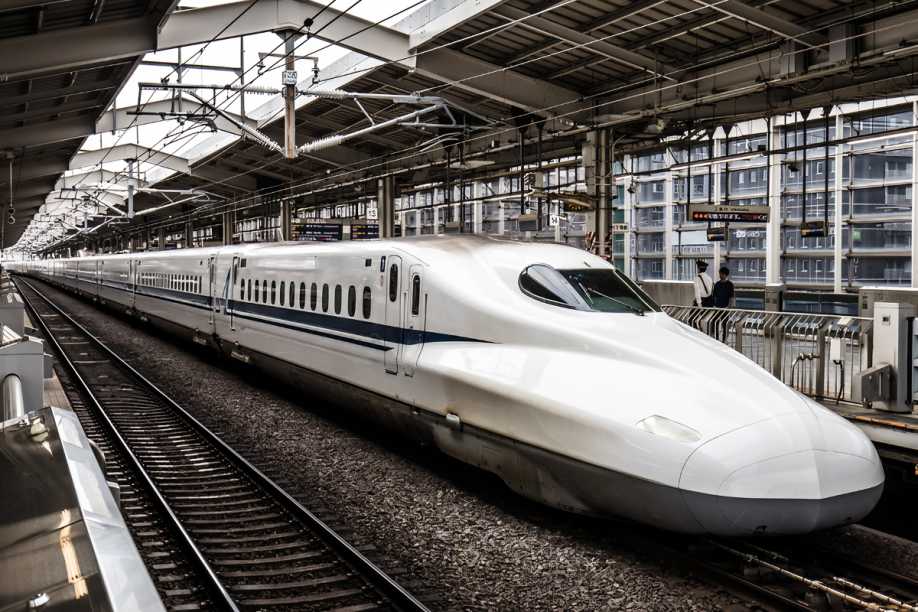

Mumbai is set to gain faster overnight rail connectivity with Bengaluru following the introduction of the Vande Bharat Sleeper train, which is expected to complete the journey in approximately 16 hours. Flagged off by Railway Minister Ashwini Vaishnaw, the service is expected to significantly reduce travel time compared with conventional trains that take between 22 and 24 hours.
The train will connect Chhatrapati Shivaji Maharaj Terminus (CSMT) in Mumbai with Sir M Visvesvaraya Terminal (SMVT) in Bengaluru under train numbers 27651 and 27652. It will become the country’s third Vande Bharat Sleeper service, following the Howrah–Kamakhya and Varanasi–New Delhi routes. South Western Railway will oversee its operations and maintenance.
The Mumbai-bound service from Bengaluru is scheduled to take around 16 hours and 10 minutes, while the return journey will be completed in approximately 15 hours and 50 minutes. This represents a considerable improvement over existing rail services, including the Udyan Express.
From Mumbai, the train will pass through Kalyan, Pune and Solapur in Maharashtra before entering Karnataka and travelling through Kalaburagi, Yadgir and Raichur. It will subsequently cover Guntakal and Anantapur in Andhra Pradesh. Eight intermediate stops will provide improved connectivity to passengers along the route.
According to the timetable, the Bengaluru–Mumbai service will depart at 7.45 pm and arrive at CSMT at 11.55 am the following day. In the opposite direction, the train will leave Mumbai at 8.10 pm and reach Bengaluru by noon. The service will operate six days a week, with Mondays excluded for the Bengaluru departure and Tuesdays for the Mumbai departure.
The 16-coach train will offer AC three-tier, AC two-tier and First AC accommodation. Reported full-route fares are Rs 2,810, Rs 3,630 and Rs 4,450, respectively.
With bookings opening on October 31 and initial demand reportedly strong, the service adds another premium overnight travel option for Mumbai passengers. Its long-term benefits will depend on operational consistency and sustained demand.
Source: Prop News Time