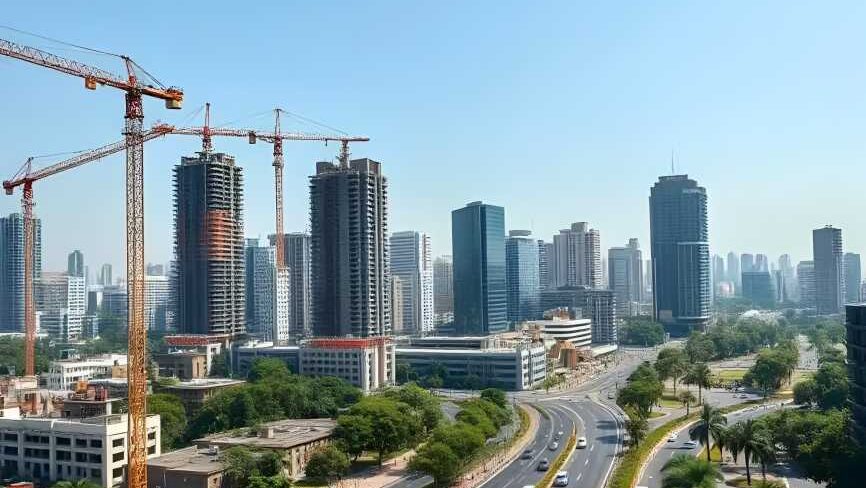

Mumbai, India’s financial capital and one of its most densely populated cities, faces recurring threats from floods, landslides, fires and building collapses. However, despite its vulnerability, the city is yet to establish a dedicated Urban Disaster Management Authority (UDMA), raising concerns about its preparedness to tackle major emergencies.
The Disaster Management (Amendment) Act, 2025, introduced Section 41A, allowing state governments to establish UDAMs for state capitals and cities governed by municipal corporations. While Bengaluru has already become the first Indian city to constitute such an authority, Maharashtra has not yet notified one for Mumbai.
At present, disaster management responsibilities are distributed among the State Disaster Management Authority, the district authorities for Mumbai City and Mumbai Suburban, and the Brihanmumbai Municipal Corporation (BMC). This fragmented arrangement often makes coordination difficult during emergencies.
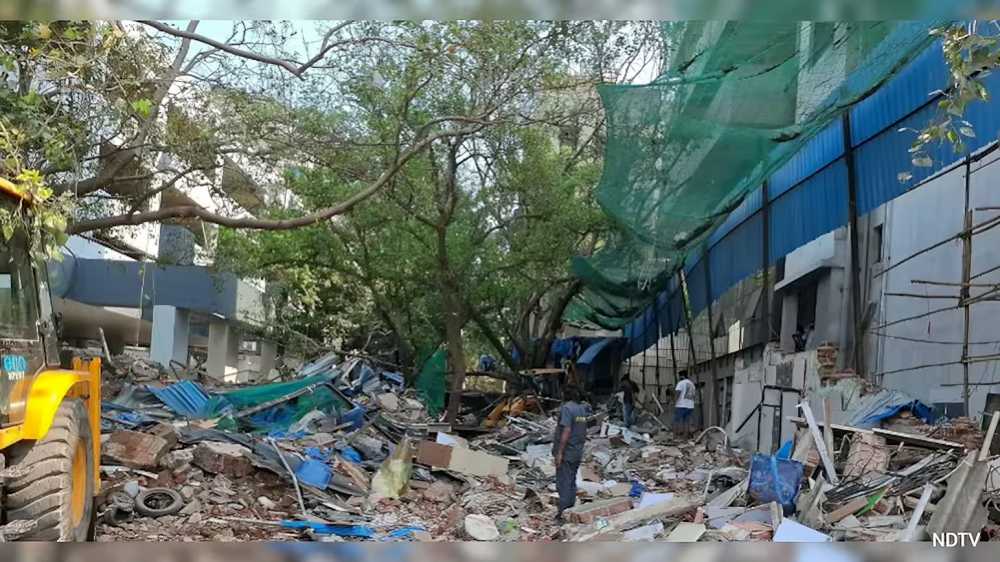
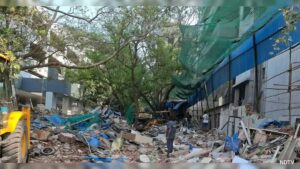
Mumbai’s history highlights the consequences of these gaps. The devastating floods of July 26, 2005, when the city received over 940 mm of rainfall within 24 hours, disrupted transport and essential services and claimed hundreds of lives. Similarly, the 2017 Kamala Mills fire killed 14 people, while landslides in Chembur and Vikhroli, building collapses and the 2024 Ghatkopar hoarding incident exposed continuing safety concerns.
A UDMA, chaired by the Municipal Commissioner with the District Collector as a member, could bring all relevant agencies under one coordinated framework. It would require dedicated funding, a secretariat and full-time technical personnel.
Its responsibilities would extend across disaster preparedness, prevention, emergency response and rehabilitation. These could include preparing ward-level disaster plans, conducting safety drills, identifying vulnerable locations, strengthening drainage systems and stabilising landslide-prone slopes.
The authority could also be empowered to introduce a Disaster Risk Clearance for major construction, demolition and infrastructure projects. Such assessments would examine potential threats to surrounding properties, drainage networks and public safety.
Its membership should include the BMC, MMRDA, MHADA, Mumbai Police, Fire Brigade, Railways, Mumbai Port Authority, BEST, utility providers, IMD and emergency response agencies.
The 2025 amendment provides Maharashtra with the legal framework to establish a UDMA. What remains is the political and administrative decision to implement it. Mumbai needs a unified disaster management system before another preventable emergency exposes the consequences of fragmented responsibility.
Source: Economic Times