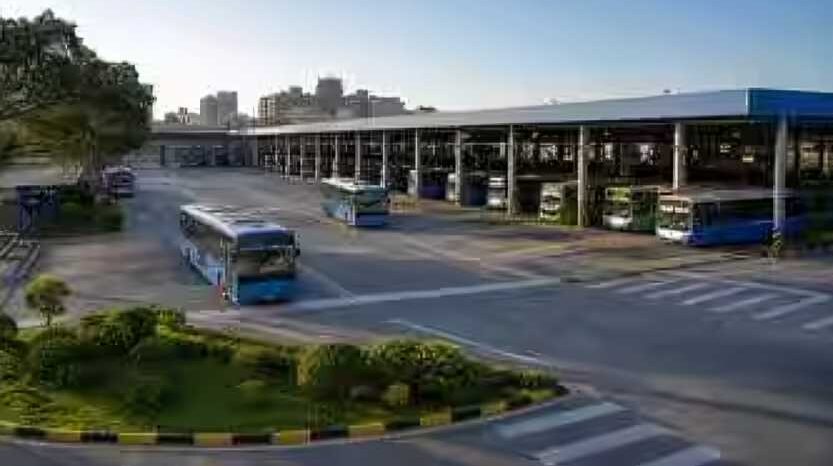

Mumbai’s Brihanmumbai Electric Supply and Transport (BEST) undertaking will retain control over its 27 valuable bus depot properties while exploring commercial redevelopment opportunities under its proposed Rs 28,000-crore Kayapalat transformation initiative. General Manager Sonia Sethi outlined the approach during the undertaking’s budget meeting on Friday, emphasising that redevelopment would not involve handing over ownership and decision-making powers to private builders.
Sethi said BEST intends to maintain “architectural control” over the projects to ensure sufficient space is reserved for bus operations, employee facilities and staff housing. The undertaking is also seeking higher Floor Space Index (FSI) permissions to improve the financial potential of these properties.
“We will not hand over our family gold to builders,” Sethi said, underlining the organisation’s intention to safeguard its valuable land assets while pursuing redevelopment.
The revenue generated through the initiative will be utilised according to the undertaking’s immediate financial priorities. Sethi informed the committee that clearing outstanding employee payments would take precedence. Funds would subsequently be directed towards purchasing additional buses and improving the existing fleet.
The Kayapalat proposal is expected to be presented before the Maharashtra state cabinet for final approval. BEST is seeking transit-oriented development benefits that could increase the permissible FSI on its depot properties from the existing 1.3 to 7, allowing more intensive development.
Beyond commercial projects, the transformation plan also includes provisions for approximately 36,000 public parking spaces across depot locations. The proposed developments could accommodate social and public amenities such as educational institutions, hospitals, museums, theatres, sports complexes and cultural centres.
However, the redevelopment proposal has attracted criticism from citizen groups. A representative of Aamchi Mumbai Aamchi BEST opposed transferring public transport land to private developers in the name of generating “non-fare revenue”. The group has expressed concerns that such arrangements could weaken BEST’s long-term financial and operational interests.
The undertaking’s challenge will be to monetise its valuable properties while protecting essential transport infrastructure and public facilities.
Source: Times of India