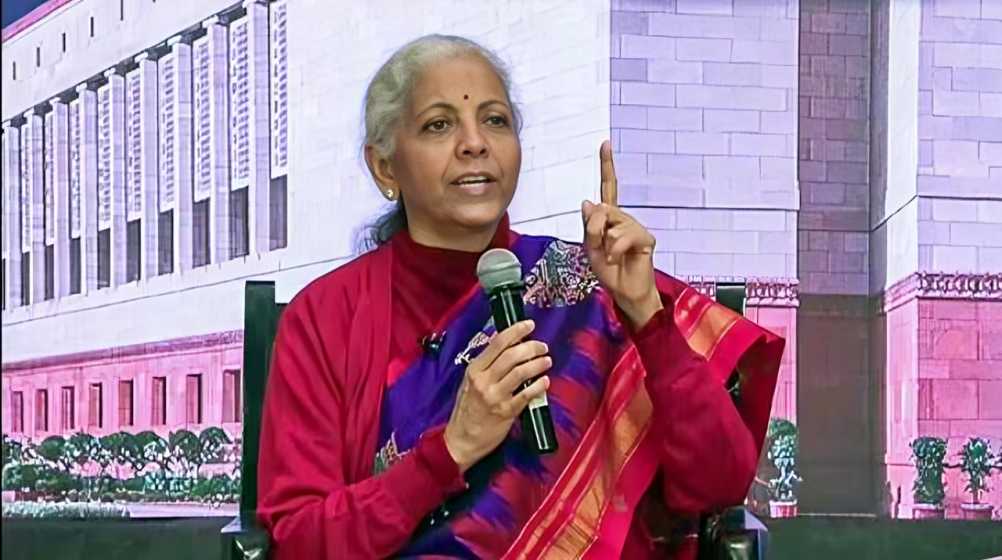

India enters the new fiscal year on a firm economic footing, supported by stable inflation, fiscal prudence, and governance focused on citizen welfare. The Union Budget 2026, presented under the leadership of Prime Minister Narendra Modi and Finance Minister Nirmala Sitharaman, underscores a preference for sustainable and long-term growth over short-term populist measures. With economic growth hovering near 7%, India has consolidated its position as the world’s fourth-largest economy and emerged as the fastest major economy to rebound from the COVID-19 disruption.
This recovery is the outcome of sustained reforms, calibrated policymaking, and a consistent push towards inclusive development. The government’s emphasis on fiscal discipline, infrastructure investment, and social welfare has enhanced economic resilience while reinforcing confidence among businesses and citizens alike. By focusing on productivity, entrepreneurship, and capacity-building, growth has been broadened across sectors and regions, enabling wider participation in the development process.
Central to the budget’s approach is the emphasis on long-term development, employment generation, and social inclusion. Policy initiatives supporting digitalisation, manufacturing, start-ups, and MSMEs have created an environment conducive to innovation and investment. From small entrepreneurs to large enterprises across manufacturing and services, diverse segments of the economy are being empowered to contribute to national growth in a meaningful way.
The Union Budget is structured around three core “kartavyas” or duties. The first is to accelerate and sustain economic growth by improving productivity, competitiveness, and resilience amid global uncertainty. The second is to meet the aspirations of citizens by strengthening their capabilities and positioning them as active stakeholders in India’s journey towards prosperity. The third, aligned with the vision of Sabka Sath, Sabka Vikas, focuses on ensuring that every family, region, and sector has equitable access to resources and opportunities for development.
Within this national framework, Mumbai holds a pivotal position. As India’s financial and commercial capital, the city plays a key role in driving investment, employment, innovation, and cultural influence. Recognising this strategic importance, the Union Budget has announced six initiatives that are expected to significantly advance Mumbai’s development while reinforcing its status as a global economic hub.
The first initiative involves tax exemptions for domestic Tunnel Boring Machine manufacturers, a move that directly supports Mumbai’s planned 70-kilometre underground tunnel network, commonly referred to as the “Paatal Lok” project. By promoting indigenous manufacturing, the measure is expected to reduce project costs, accelerate metro and tunnel construction, and generate skilled employment while strengthening self-reliance.
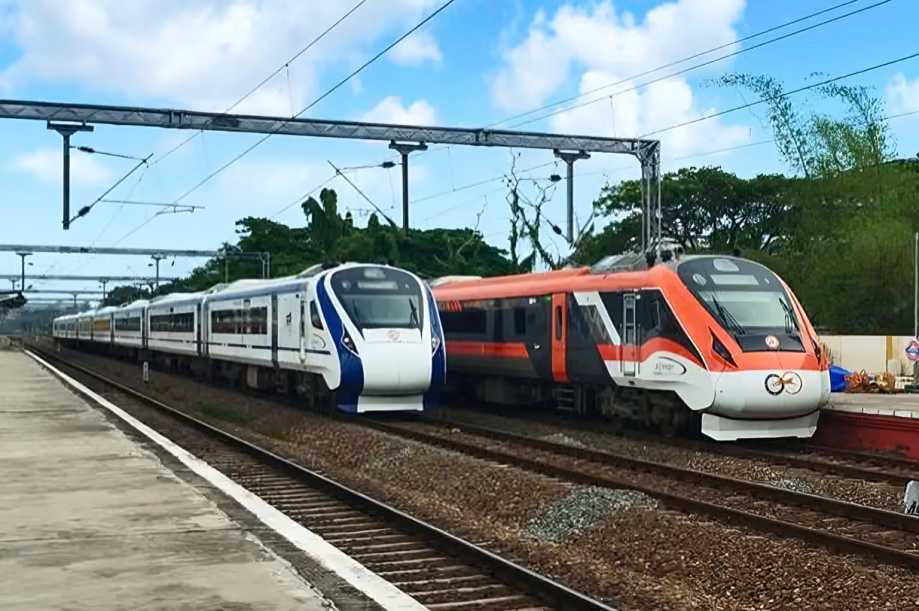
The second initiative is the proposed Mumbai–Pune high-speed rail corridor, aimed at transforming regional connectivity. By reducing travel time, the corridor is expected to deepen business integration, improve labour mobility, and strengthen economic linkages between the two cities. It is also likely to catalyse the growth of industrial, IT, and service clusters across the Mumbai–Pune belt, supporting balanced regional development.
Third, the provision of Rs 7 lakh crore in liquidity support for MSMEs recognises their role in employment creation, exports, and innovation. Given Mumbai and Maharashtra’s large MSME base, this support is expected to aid technology upgradation, business expansion, stronger supply chains, and job creation, particularly for young workers.
The fourth initiative focuses on the Indian Institute of Creative Technology in Mumbai, signalling a strategic push towards the orange economy, including animation, gaming, VFX, comics, and digital content. By establishing creative laboratories in educational institutions, the initiative aims to nurture Gen Z talent and position Mumbai as a global centre for creative industries.
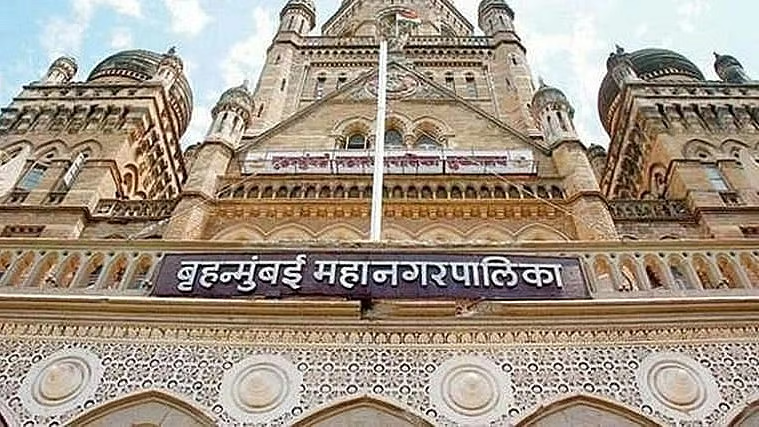
Fifth, incentives for municipal bonds—Rs 100 crore for every Rs 1,000 crore raised—are set to strengthen urban infrastructure financing. For the Brihanmumbai Municipal Corporation, this opens avenues to mobilise resources for transport, sanitation, housing, water supply, and public utilities, enhancing urban governance and service delivery.
Finally, the establishment of SHE-Marts for women’s self-help groups seeks to expand income opportunities, improve market access, and strengthen financial independence for women entrepreneurs, reinforcing the commitment to inclusive growth.
Taken together, the Union Budget 2026 consolidates India’s economic foundations while placing Mumbai firmly at the centre of the growth narrative. By advancing connectivity, modernising infrastructure, empowering women and youth, and supporting enterprises, it lays the groundwork for sustainable and inclusive prosperity.
Source: Hindustan Times