



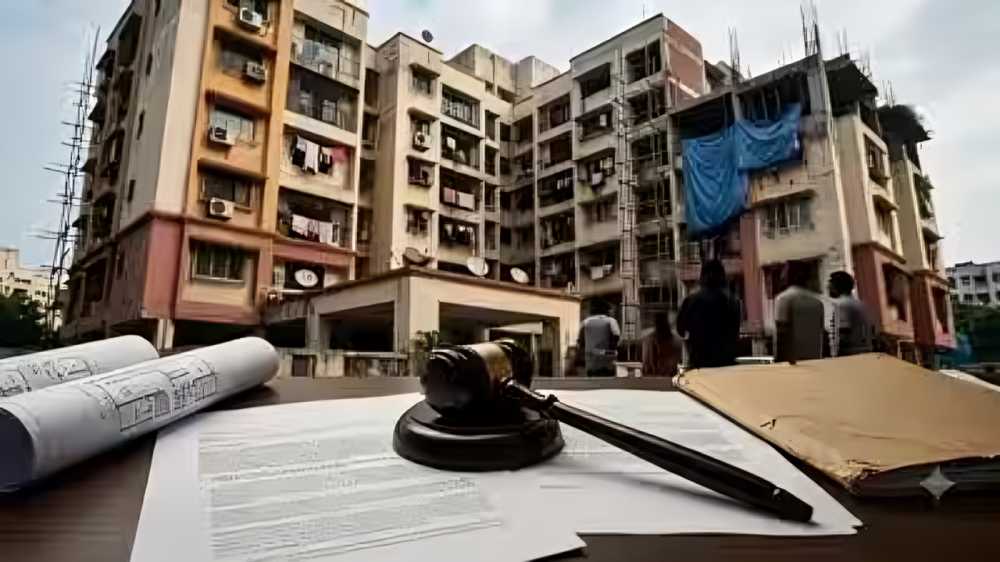
The Brihanmumbai Municipal Corporation (BMC) has approved a proposal to increase the property tax exemption limit for residential units in Mumbai, expanding the relief from homes measuring up to 500 square feet to those up to 700 square feet.
The resolution, which was passed unanimously in the municipal body, is expected to provide financial relief to thousands of households across the city. The decision has been seen as a key policy move by the ruling Mahayuti alliance and the newly elected city leadership, and it aligns with an earlier election promise made by the Shiv Sena–Maharashtra Navnirman Sena alliance.
Until now, residential units measuring up to 500 square feet were exempt from property tax in Mumbai. With the threshold increased to 700 square feet, a larger number of middle-class families are expected to come under the exemption bracket. However, civic officials estimate that the measure could lead to a revenue shortfall of nearly Rs 700 crore for the municipal corporation.
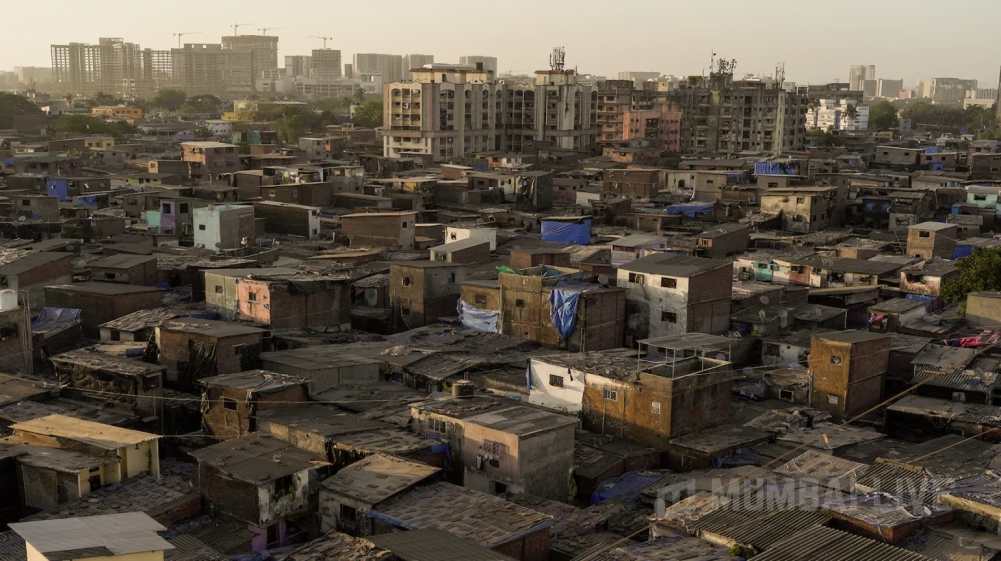
According to the resolution, the decision takes into account the financial challenges faced by middle-income households, particularly those living in redeveloped chawls and slum rehabilitation housing. Many families receive new homes through redevelopment or cluster redevelopment schemes but continue to face high living expenses in the city.
The document outlining the decision cited multiple reasons for extending the tax relief, including rising household expenses and the increasing cost of maintaining residential properties. “Middle-class families find it difficult to afford property taxes along with rising maintenance and repair charges for 500-square-foot flats. High expenses for education, healthcare, and family upkeep often leave residents with no choice but to sell their flats and move outside of Mumbai. Increasing the limit to 700 square feet is essential to ensure that the original Mumbaikar can afford to stay within the city limits,” said BMC sources.
The proposal for the tax exemption was initially introduced in the municipal house by Yashodhar Phanse of Shiv Sena (UBT). After receiving approval, the proposal will now move through the administrative process before being implemented.
“The proposal will be sent to Zonal Officers for administrative processing. It will then move to the Law and Judiciary Department for legal scrutiny. Once verified, the proposal will be submitted to the Municipal Commissioner for a final signature. Following the BMC Commissioner’s approval, an official circular will be issued, making the tax exemption for homes between 500 and 700 square feet legally effective,” stated sources.
Observers say the change could provide financial relief to many households in Mumbai once it is formally implemented.
Source: IANS





36 Responses
Also i suggest all house hold should have individual water meter, so they are not over spend ing or wasting,,
In Bangalore flats have water meters and billed by housing welfare association as per consumption
My Flat is 703 square feet will we be getting exemption from property tax.
NO
If it is built up then not to worry.
It says to buy two flats one on self and one on spouse name and join it. You need to give exemption based on their income and not on area of the flat!
Make them to file income tax and then only you must give exemption on this property tax.
Really worthwhile idea…good decision by BMC…
Very helpful
Hope it is implemented soon
I am interested
Have you any contents made for sportsmen for Mumbai who have contributed for sports of Mumbai City and Maharashtra.
from when ?
I would like to know whether square feet is in carpet or built up.
I suncerely welcome this new step whereby thousands of residents eapecially the middle class will he benefited. I am sure the shortfall of revenue due to this step will be compensated with some new tax or collection from the upper class as extra Road tax for bigger vehicles purchases like Rs 30 kakhs and above as only the eich can afdord these. This is just a suggestion.
Pl done
700 feet
carpet /RERA❓
A Vision for a Tax-Relieved India Through Better Funding Management
India is one of the world’s fastest-growing economies, yet millions of salaried employees, pensioners, small business owners, and middle-class families continue to bear the burden of multiple taxes and levies. Income tax, GST, property tax, stamp duty, registration charges, road tax, fuel tax, electricity duty, and numerous other charges collectively reduce the disposable income of honest taxpayers.
Taxation is essential for nation-building and for funding public services such as healthcare, education, infrastructure, defence, and social welfare. However, before introducing new taxes or increasing existing ones, India should focus on strengthening financial management, preventing revenue leakages, and utilizing available resources more efficiently. A well-managed economy has the potential to provide meaningful tax relief while maintaining fiscal stability.
1. Recover Every Rupee Lost Through Financial Fraud
Every year, financial frauds involving banks, companies, and other institutions result in substantial losses to the public exchequer. Wherever individuals or organizations are found guilty through due legal process, governments should make every possible effort to recover public money by using existing legal mechanisms, including asset recovery where permitted by law.
The successful recovery of such funds can strengthen government finances and reduce the need to impose additional financial burdens on honest taxpayers.
2. Ensure Greater Accountability of Public Representatives
Public representatives are elected to serve the nation and should be held to the highest standards of integrity and transparency. If any public representative or public servant is found guilty of corruption or possessing illegal assets after due legal proceedings, the law should be applied firmly and fairly. Recovering illegally acquired assets in accordance with the law would reinforce public confidence and demonstrate that accountability applies equally to everyone.
3. Encourage Voluntary Partnerships with Religious and Charitable Institutions
India is home to thousands of temples, mosques, churches, gurudwaras, and other religious institutions that receive generous voluntary donations in the form of cash, gold, silver, and other valuable offerings. Many of these institutions already make significant contributions to education, healthcare, food distribution, and other charitable activities.
A constructive national dialogue could explore voluntary partnerships between governments and religious or charitable institutions to support public welfare initiatives such as affordable housing, education, healthcare, disaster relief, and assistance for economically weaker sections. Any such arrangement should fully respect the Constitution, religious freedom, legal safeguards, transparency, and the autonomy of the respective institutions.
4. Eliminate Wasteful Public Expenditure
Every rupee saved through efficient governance is a rupee that can benefit the people. By reducing unnecessary expenditure, improving procurement systems, embracing technology, preventing corruption, and ensuring transparency in public spending, governments can significantly improve financial efficiency without increasing taxes.
5. Broaden the Funding Base Instead of the Tax Base
India possesses enormous financial potential beyond taxation. Better recovery of public money, stronger financial discipline, increased compliance, public-private partnerships, corporate social responsibility initiatives, voluntary charitable contributions, efficient management of public assets, and prudent fiscal planning can collectively strengthen government revenues.
A diversified funding strategy can reduce dependence on taxation while ensuring that essential public services continue to receive adequate funding.
A Citizen-Centric Economic Vision
The middle class is the backbone of India’s economy. Lower taxation would increase disposable income, boost household savings, encourage investment, stimulate consumption, and promote entrepreneurship. This, in turn, can generate employment, expand economic activity, and ultimately increase government revenues through sustainable economic growth.
The objective should not be to eliminate taxes overnight, but to progressively reduce the financial burden on honest citizens through better governance, stronger financial management, and innovative funding strategies.
A prosperous India will be built not merely by collecting more taxes, but by managing national resources wisely, recovering lost public wealth, ensuring accountability, encouraging voluntary social participation, and spending public money efficiently. With sound financial management and collective national effort, India can move towards a future where economic growth and lower taxation go hand in hand, benefiting every honest citizen.
Rajesh Jadhav
Carpet or built up area
Good Thinking,All issues should be analysed through eyes of middle class,for decision making in govt
Why stick to only 700 sq.ft. and why not make it 1000 sq.ft that will make every idy happy all are middle class if it is 1009sq.ft. I earnestly feel it should give relief to all till 1000 sq
.ft please consider the above comment and put it in your agenda than you for your understanding
Why the waiver for only upto 700 sq.ft. and why up to 1000 sq ft. If BmC an waiver up to 700 sq ft. I don’t think it should be difficult to waiver up to 1000sq.ft. hope this suggestion will be taken into consideration as people holding 1000sq.ft. are also middle class hope w others also can enjoy the benefits
Very true. Should also be the same for more than 700 Sq ft.
Very good
This really benefits the middle income & retired mumbaikars .
Should be restricted to self occupied apartments. Not to be extended to apartments given on rent.
700 Sq.feet flay is normally 2bhk. If property tax is exempted naturally it will benefit lakhs of household units in mumbai will be a good relief. I welcome this move. Thanks to BMC.
श्री वेंकटेश देवस्थान, फनस् बाड़ी, मुंबई के चेयरमैन श्री पी. बी. श्रिनिवासाचार्य स्वामी जी की मिलि भगत से ट्रस्टी रामनारायण नथमल सोमानी, मरीन ड्राईव और मैनेजर सुरेश चौधरी ने गहरा षड्यंत्र रचकर, 36 साल से रहनेवाले भाडोत्रि अशोक मोड़ा की ऑफिस का ताला तोड़कर, 26,00,000/- से ज्यादा का माल और सामान चोरी करके रूम को अपने कब्जे में कर रखा है। अशोक मोड़ा पिछले 21 महीनों से बिना कोई आय के गहने इत्यादि बेचकर अपना और परिवार का जीवन चला रहे हैं। धर्मो रक्षति रक्षत्। भगवान् इन सभी के परिवार वालो को इनके कर्मो का फल जरूर देंगे। कर्मो का फल इस जनम मैं या आगे कोई जनम में जरूर चुकाना पड़ता है।
“सर्व जन हिताय, सर्व जन सुखाय”
सत्य धर्म कर्म करूणा
।। अध्याय – 2 ।।
१२/०७/२०२४ को मुझे रमेश गायकवाड का फोन आया। ये मेरी ऑफिस वाली बिल्डिंग मै पहले माले पर रहता है ग्राउंड फ्लोर पर प्रिंटिंग का ब्यापार करता है। इधर – उधर की कुछ बाते करने के बाद अपने मतलब पर आया। पूछा की क्या में अपनी ऑफिस वाला रूम बेचना चाहता हूँ। मैंने कहा, नही। क्यों पूछ रहे हो। बोला की वेंकटेश मंदीर में गया था। रामनारायण बोले की उनके पास में एक रूम है दूसरे माले पर,, रूम नंबर 12, वो इनको दे सकते है फिर रमेश ने जबाब दिया की ये रूम तो अशोक मोड़ा जी के पास है। में ठीक से जानता हूँ। मैं भी इसी बिल्डिंग में पहले माले पर रहता हूँ कितने सालों से, और मुझे अच्छे से ये बात मालूम है। रामनारायणने आपको लघु न्यायालय की झूठी डिक्री के कागजात आदि दिखलाये और मेरा मोबाइल नंबर भी दिया की अगर रमेश को कोई शक है तो मेरे से बात कर सकते है। इतना कहकर फोन रख दिया।
फिर २०/०७/२०२४ को बोर्ड की मीटिंग में मैनेजर सुरेश चौधरी से झूठी – सच्ची बातों का प्रस्ताव सभी ट्रस्टीयों और चेयरमैन की उपस्थिति में पास करवाया। अब रामनारायण और सुरेश चौधरी दोनों शेर बन गए।
इन लोगों को मंदीर में होने वाले नुकसान (२०℅) पगड़ी की रकम की कोई परवाह नही की और रूम को 25-30 पैसे की कीमत पर रमेश को बेच दिया।
रमेश ने दोष उस पर नही लगे इसलिए नवी बाड़ी में रहनेवाले तथा विठल बाड़ी में ऑफिस है, एक कुख्यात दलाल राकेश रामनरेश मिश्रा को अपने साथ मिलाया। ये सारी प्रक्रिया के बाद उनको लगा की वो किला जीत गए है।
भगवान् के घर में देर है, अंधेर नही।
अब सभी लोग कानून के शिकंजे में आ गए, रामनारायण, सुरेश चौधरी के साथ स्वामी जी तथा सभी 12 ट्रस्टीज।
एफ आइ आर, एल. टी मार्ग में बन गयी है। केस की सुनवाई वि टी, किला कोर्ट में चल रही है। अपराध सिद्ध होने पर ७-१० साल की सजा और जुर्माना का प्रावधान है। सामूहिक अपराध सिद्ध होने पर सभी को अलग अलग बराबर की एक जैसी सजा मिलेगी।
A very heartfelt thank you to our Government who puts citizens first.
God bless you
The decision of the Municipal Corporation of Greater Mumbai to abolish property tax for owner-occupied homes up to 700 sq. ft. is a historic and highly commendable step. For countless middle-class families, this tax had become a significant financial burden despite owning modest homes. This thoughtful measure brings long-awaited relief and demonstrates a compassionate approach towards the aspirations of ordinary citizens.
Such people-centric decisions strengthen public confidence in governance and reaffirm the commitment of our elected representatives to the welfare of society. I extend my heartfelt appreciation and sincere gratitude to the Municipal Administration, the ruling and opposition representatives, the Mayor, and the Hon’ble Chief Minister for making this progressive initiative a reality. May this spirit of responsive and citizen-friendly governance continue to inspire many more welfare-oriented reforms in the future.
From which year and month it is going to be implemented
TO the concern Authorities, request for update weather it has been updated and from when it will implemented.
No action till now, received fresh bill for my 555 sq ft flat.
What about already paid property tax f.y. 2026-27. Department refund this amount.
This news does not seem reliable. As of now, its merely a big news & relief only if implemented. MCGM Portal still shows the Property tax amount of Rs. 16800/- due for a property in Kandivali East for the current FY and I recently paid the same on 20.07.2026
G R is important, without that it can not be treated as in force.
Very true. Should also be the same for more than 700 Sq ft.