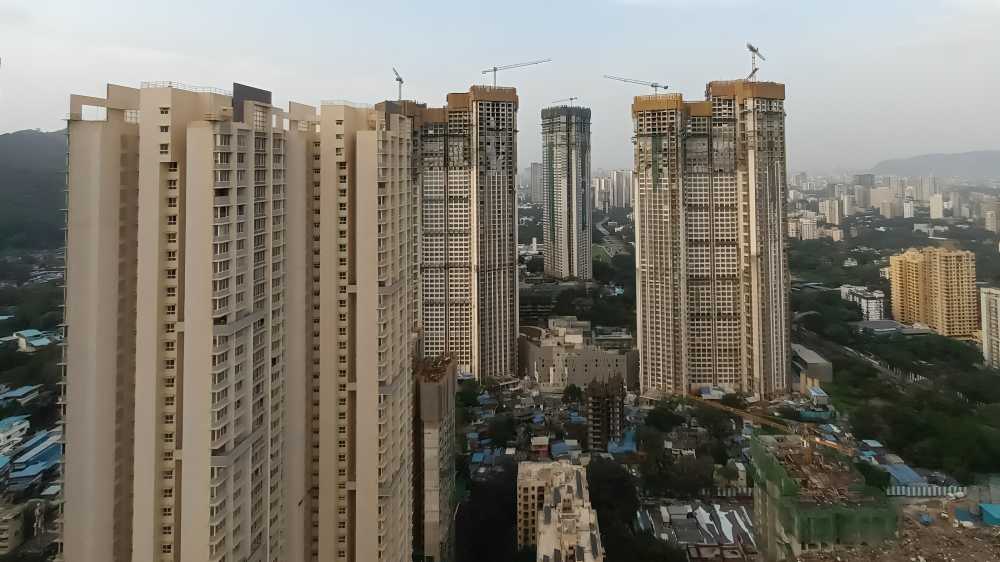

Mumbai’s redevelopment-led real estate sector is increasingly being defined by timely project completion rather than the volume of new launches. As land scarcity forces the city to rebuild ageing neighbourhoods, the ability of developers to deliver homes on schedule is emerging as a critical differentiator in the evolving redevelopment landscape.
Across central and western suburbs such as Bandra, Kurla, Chembur and Jogeshwari, several mid-sized developers are expanding their presence in dense micro-markets. These areas, marked by ageing buildings and complex ownership structures, demand not just financial investment but also close coordination with residents, regulators and contractors. While project announcements remain frequent, consistent execution continues to vary across the sector.
Recent property registration trends indicate that developers maintaining a steady pipeline of completed units are gaining traction, particularly in markets like Kurla. Industry analysts note that buyers are now focusing more on occupation certificates and possession timelines than on promotional claims. This shift is gradually reshaping how both homebuyers and intermediaries assess redevelopment projects.
Urban planners highlight that redevelopment has wider civic implications. Projects completed on time help minimise prolonged displacement of residents, reduce construction-related pollution and optimise existing infrastructure use. In contrast, delays tend to put pressure on rental markets and disrupt local economies. In a city already facing congestion and climate-related risks, efficient execution cycles are seen as vital for sustaining liveability.
Developers are also diversifying into commercial spaces, co-living formats and hospitality ventures near business hubs such as the Bandra Kurla Complex. While this reflects evolving demand, it raises concerns around infrastructure readiness, including transport, water supply and energy systems. The integration of sustainability measures—such as energy-efficient designs and reduced construction waste—remains uneven.
Financial health is another key factor, with lower debt levels enabling developers to navigate approval delays and cost fluctuations better. However, challenges such as regulatory hurdles, rising input costs and labour shortages continue to affect timelines.
As Mumbai moves further towards vertical redevelopment, experts stress that future growth must balance execution efficiency with sustainability and inclusivity, ensuring long-term benefits for residents and the city alike.
Source: Urban Acres