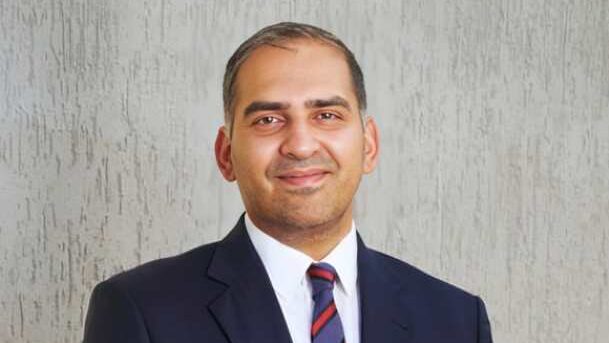

Mumbai’s Bandra Kurla Complex (BKC) is entering a new phase of evolution, shifting its development focus from horizontal expansion to vertical construction and redevelopment, as available land within the district becomes increasingly scarce. According to Vikas Jain, CEO of Labdhi Lifestyle, this transition reflects both necessity and a broader global trend seen in mature financial hubs.
Over the past two decades, BKC has grown into one of India’s most structured business districts, serving as a preferred base for financial institutions, multinational firms, and regulatory authorities. However, with most land parcels already utilised and limited room for outward growth, the area has reached a point where expansion must now come from optimising existing spaces.
The next stage of development is expected to centre on constructing taller buildings and redeveloping older properties. This approach aligns with international business districts, where land constraints have led to high-density, vertical growth and more efficient land use. Modern office requirements are also driving this shift, as companies increasingly demand large, contiguous workspaces, advanced infrastructure, sustainability features, and integrated amenities—elements often lacking in older, low-rise buildings.
Redevelopment is emerging as a critical supply driver, particularly as several early-phase commercial buildings in BKC no longer meet current occupier standards. As lease tenures end and ownership structures evolve, many of these assets are likely to be transformed into next-generation Grade-A office spaces.
At the same time, infrastructure improvements—such as enhanced metro connectivity, upgraded road networks, and better east-west linkages—are improving accessibility to the district. These developments are helping expand BKC’s functional boundaries, bringing nearby areas into closer integration with the core commercial hub.
Emerging zones like H-Block are expected to play a key role in accommodating future demand. With limited availability in the central district, these pockets are attracting new developments focused on efficient design, vertical scale, and modern workplace features.
Overall, BKC’s transformation highlights a broader shift in India’s prime commercial markets, where growth is increasingly defined by redevelopment, density, and design efficiency rather than geographic expansion.
Source: Prop News Time