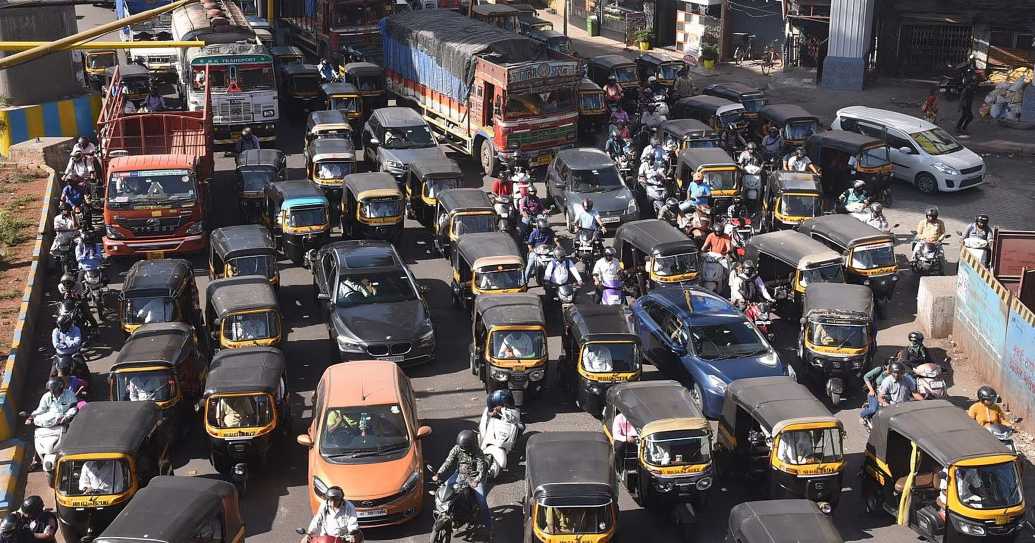

Ongoing streetscape upgrades near the Gateway of India have led to temporary traffic restrictions and transport changes in South Mumbai, affecting one of the city’s busiest tourist and commercial zones. While the initiative aims to enhance public spaces around the iconic waterfront, it has also created short-term disruptions for commuters and visitors.
Authorities have implemented these measures as part of improvement works along Adam Street, where granite paving is being introduced to upgrade pedestrian infrastructure. The restrictions, in place until April 29, include the closure of the southbound carriageway and diversion of vehicles through nearby routes to manage traffic flow.
Public transport users are also experiencing changes. A key BEST bus stop in the area has been shifted closer to the Yacht Club on Chhatrapati Shivaji Maharaj Marg, while the local taxi stand has been relocated to Mahakavi Bhushan Marg. These adjustments are expected to impact both daily commuters and tourists who rely on easy access to the Gateway district.
Urban mobility experts highlight that such situations reflect a broader challenge faced by cities—modernising heritage and high-footfall areas without disrupting daily movement. While upgrades like improved walkways enhance long-term accessibility and urban aesthetics, inadequate traffic coordination can lead to congestion and inefficiencies.
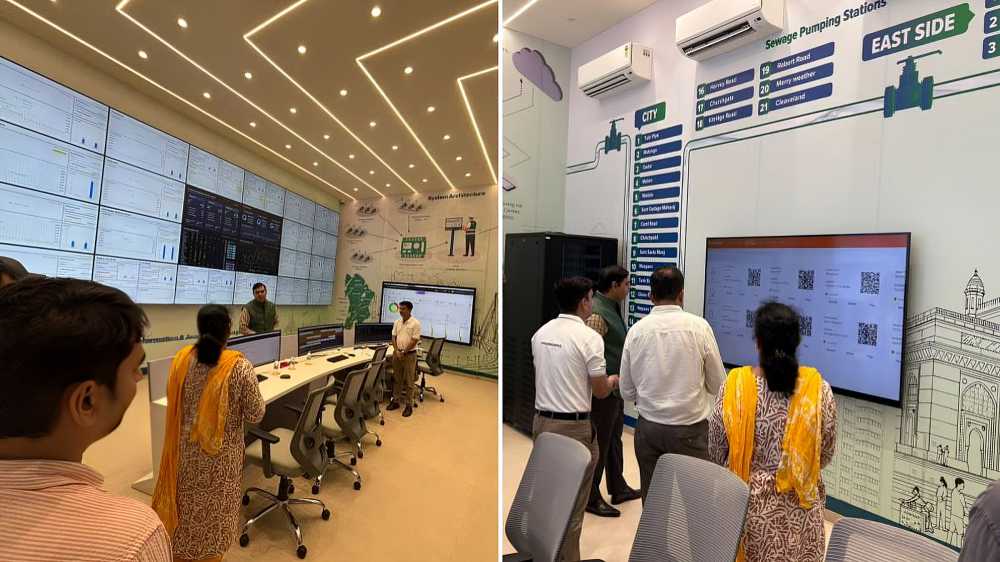
The Adam Street project is part of a wider set of infrastructure works across Mumbai, with similar traffic restrictions currently in place in areas such as Kurla, Ghatkopar, Mahim, and Sakinaka due to road repairs, sewage upgrades, and resurfacing projects.
These simultaneous interventions underscore the complexity of upgrading infrastructure in a densely populated city. Experts stress the importance of better planning, real-time traffic updates, and pedestrian-focused design to minimise inconvenience.
Although the Gateway project is expected to improve the overall experience of the area, it also highlights the need for careful coordination between urban development and transport management to ensure smoother mobility during transition phases.
Source: Urban Acres