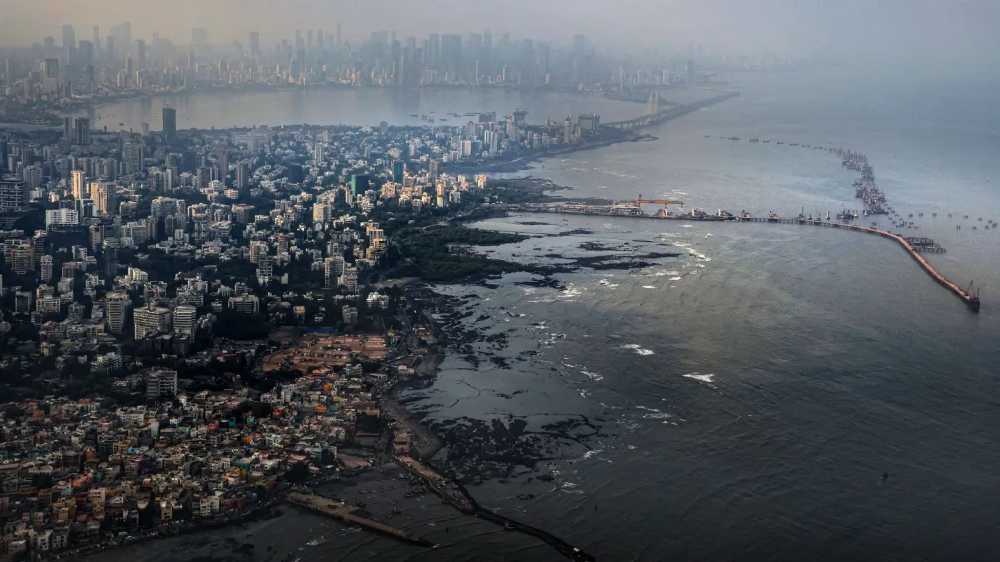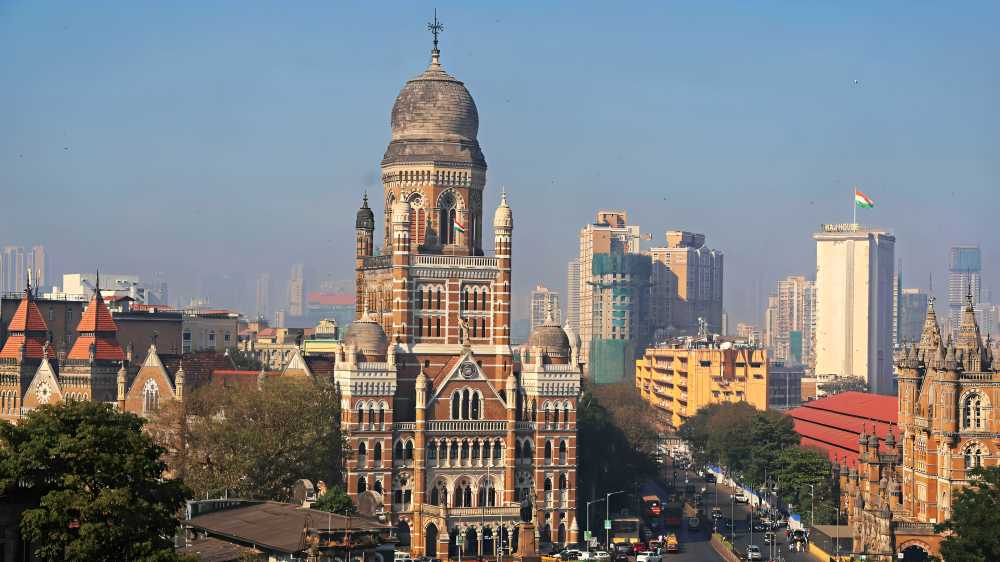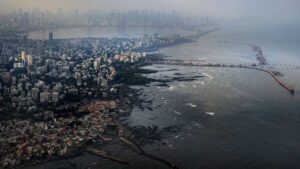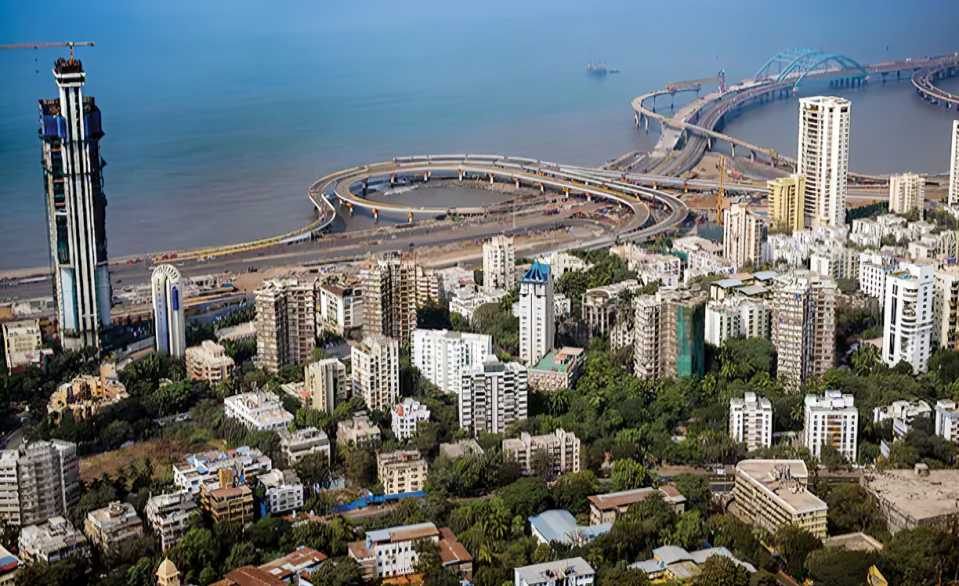

Mumbai is undergoing a sweeping phase of transformation, driven by an ambitious pipeline of infrastructure projects that are reshaping how the city functions and grows. From new transport corridors to large-scale urban redevelopment, the pace of change has been relentless. Yet, as the skyline evolves, the long-term success of this transformation will hinge not only on speed, but on how inclusively and sustainably it is executed.
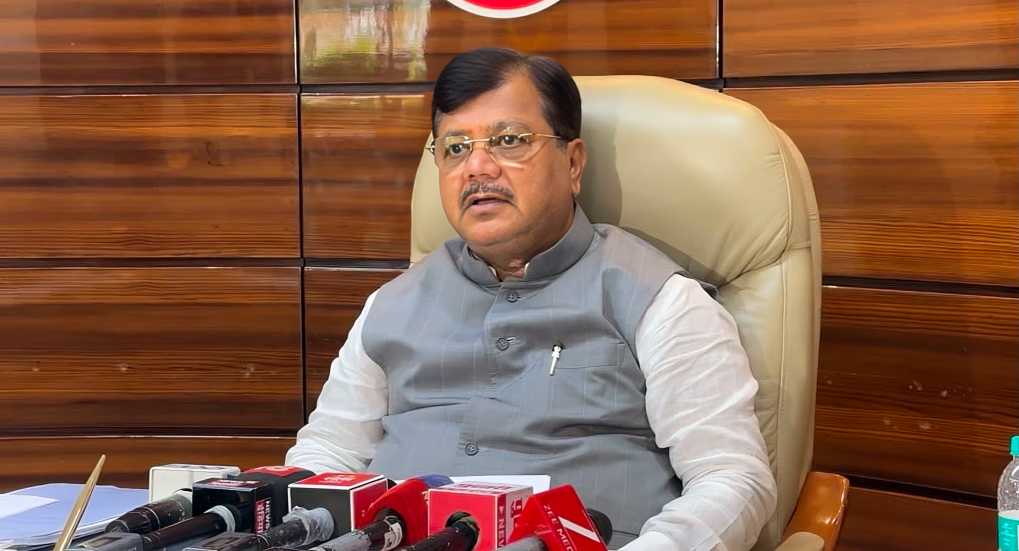
Just ahead of the civic election code of conduct last year, Maharashtra Deputy Chief Minister Eknath Shinde unveiled a proposal for a sprawling 295-acre Central Park at the Mahalaxmi Racecourse. The plan includes recreational tracks and a 10-lakh sq ft underground sports complex, along with 175 acres of reclaimed land near Worli and Haji Ali linked to the Coastal Road. This announcement adds to a broader vision of turning Mumbai into what Chief Minister Devendra Fadnavis calls a “future-ready city.”
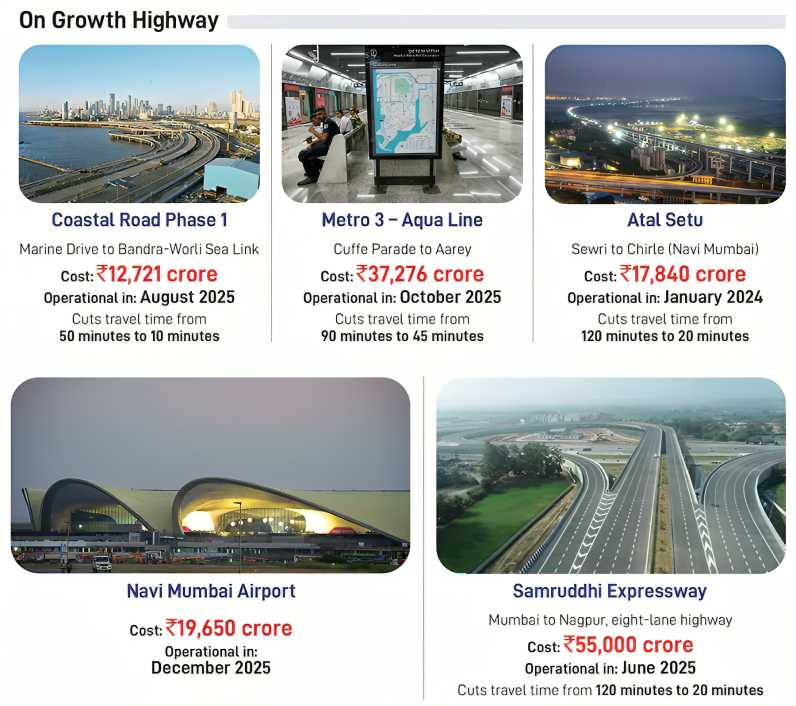
Recent developments such as the Coastal Road, Metro expansion, Navi Mumbai International Airport, and the Atal Setu have significantly improved connectivity. Upcoming metro links—including one connecting the two airports—are expected to cut travel time drastically. “Together with Mumbai’s expanding metro corridors, the city is building a future-ready transport ecosystem that strengthens its momentum and its identity as India’s financial capital,” says Ashwini Bhide.
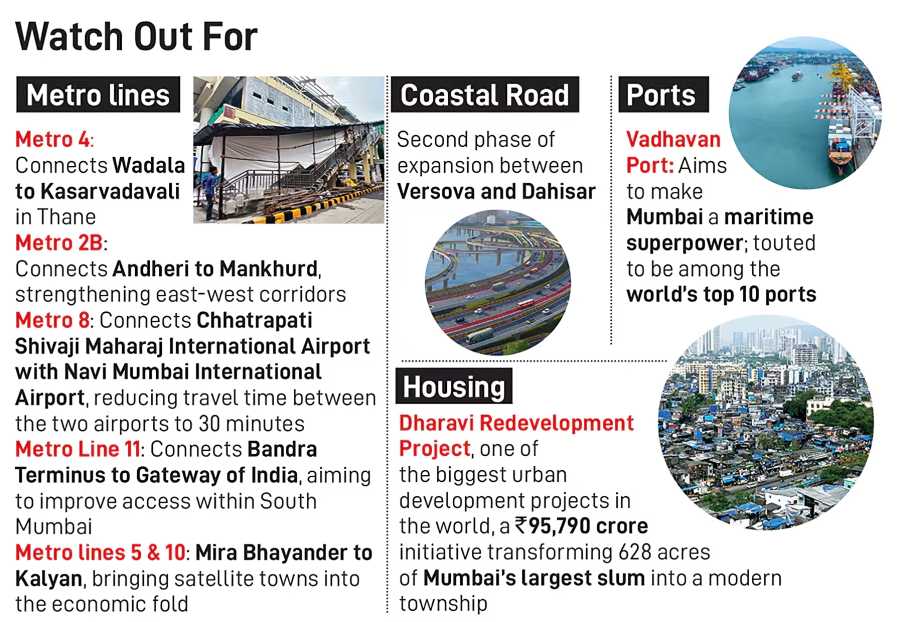
Shinde has highlighted that projects worth Rs 3.5 lakh crore are planned across the Mumbai Metropolitan Region, alongside the vision of a “Third Mumbai” with modern urban infrastructure. Fadnavis has also underscored the strategic importance of the upcoming Vadhavan Port, stating, “It is nearly three times larger than the Jawaharlal Nehru Port Trust and has a 20-metre natural draft. From day one, it will be among the world’s top 10 ports.”
These projects are already influencing mobility patterns. The Metro 3 Aqua Line, for instance, has improved north-south connectivity. “Metro 3 is reshaping the way Mumbai moves. By unlocking north-south connectivity and bringing once-unconnected neighbourhoods into the network, it is giving commuters a faster, reliable and greener way to move across the city,” Bhide notes. Authorities are also working toward the ‘Mumbai in Minutes’ initiative, aiming to cap travel time within the city at under an hour.
At the same time, redevelopment efforts such as the Rs 95,790 crore Dharavi project seek to transform densely populated areas into planned urban hubs while preserving local economic activity. Rising connectivity has also pushed property values up by 10–30 percent in several micro-markets, reflecting shifting housing preferences toward well-connected areas.
However, this rapid transformation raises pressing concerns. Urban expert Vivek Pai points out disparities in access, noting that metro systems remain less affordable compared to suburban railways. “In effect, a substantial portion of the investment is currently benefiting only the upper middle class. Either income levels across the population will have to rise significantly or the cost of using such systems will have to come down for them to become more widely accessible,” he says.
Environmental and social challenges are equally significant. Projects have faced criticism for deforestation, mangrove loss, and disruption to fishing communities. “Earlier, we could go out to sea easily and return with a decent catch. Now, routes have changed, waters have become unpredictable, and our income has suffered. Development is happening, but for us, life has only become more difficult,” says fisherman Prashant Pichad.
Experts warn that ignoring ecological systems could worsen flooding and climate risks. BN Kumar cautions, “Infrastructure development in Mumbai and the MMR is essential… Unfortunately, environmental impact assessments are treated as procedural formalities rather than scientific guardrails… future generations will live with the consequences—flooded homes, sinking coastlines, degraded air and disappearing biodiversity.”
Architect Alan Abraham also raises concerns about the racecourse redevelopment, stating, “The concern is that this so-called opening up comes with an underhanded programme. That will inevitably lead to flooding.”
As Mumbai stands at this critical juncture, its transformation reflects both opportunity and risk. While infrastructure promises economic growth and global competitiveness, its true measure will lie in balancing development with accessibility, environmental protection, and quality of life for all residents.
Source: Forbes India