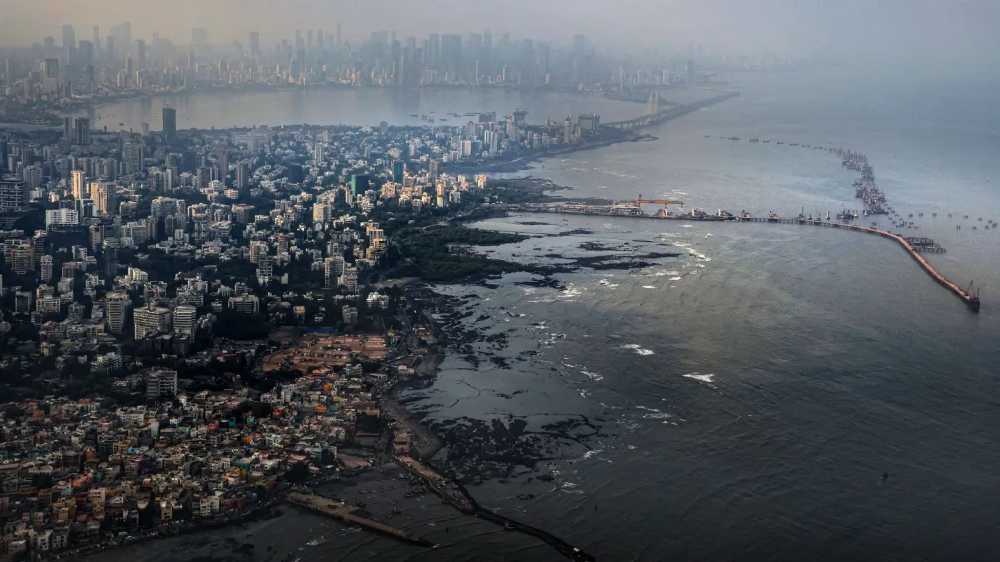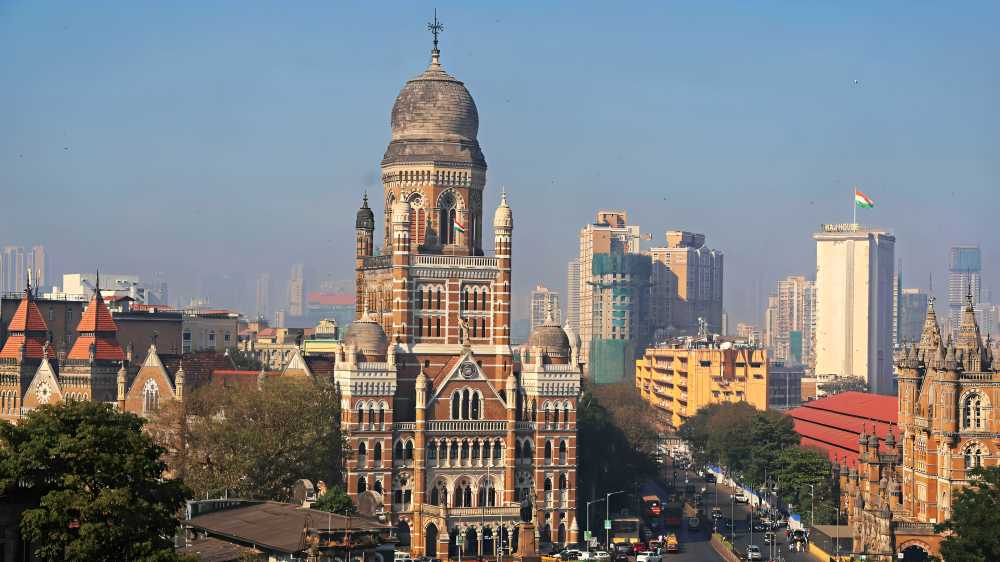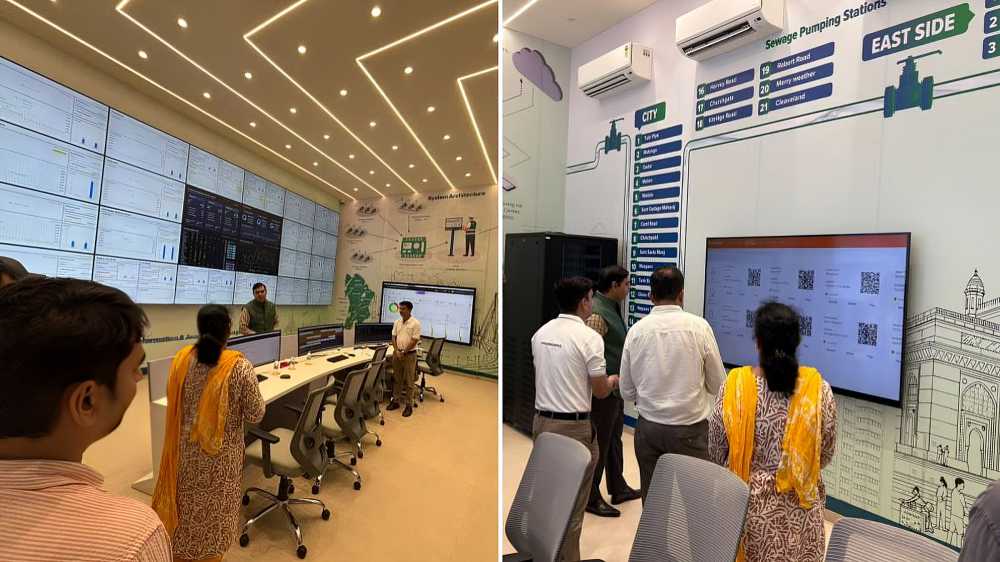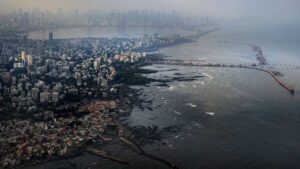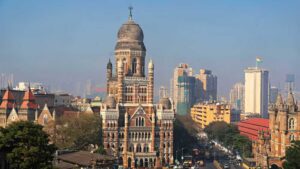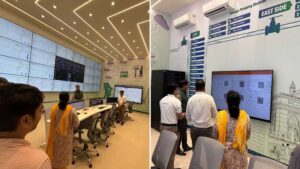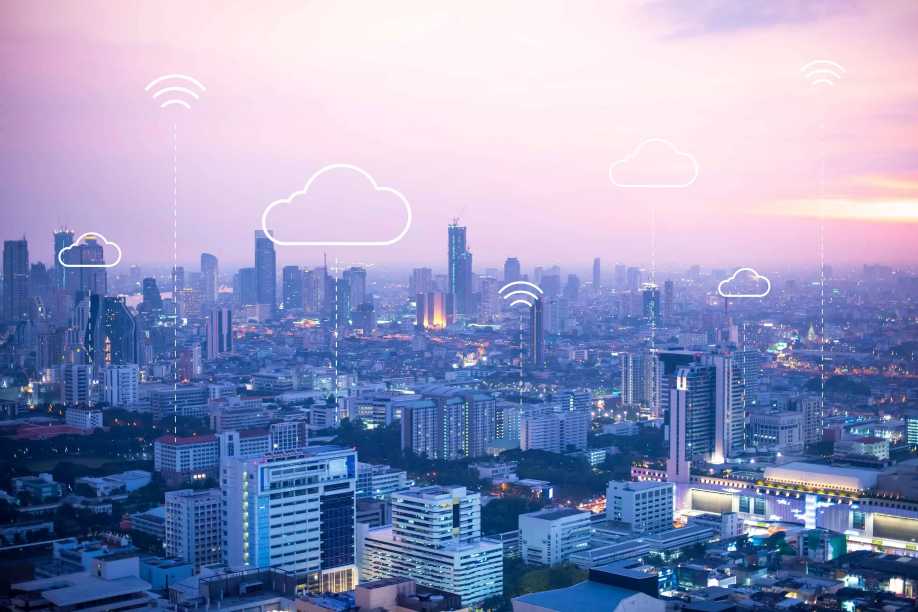

The Mumbai Metropolitan Region (MMR) is entering a pivotal phase in its urban journey, evolving from a traditionally centralised city into a dynamic, multi-nodal growth hub. This transformation is being driven not just by the scale of development, but by the integration of smart infrastructure powered by technologies such as real-time data systems, IoT networks, and Integrated Command and Control Centres. These systems are enabling more efficient governance, quicker decision-making, and coordinated urban planning, all aimed at improving mobility, sustainability, and long-term resilience.
A clear indicator of this shift is the surge in infrastructure investments. For the financial year 2026–27, the Mumbai Metropolitan Region Development Authority (MMRDA) has announced a record budget exceeding Rs 48,000 crore—its first surplus budget in nearly a decade—with about 87% allocated to infrastructure. This marks a significant jump from previous years and underscores a policy shift where infrastructure is now central to regional development.
A major portion of this funding is being directed towards metro expansion, which is emerging as the backbone of MMR’s transport network. Over Rs 13,800 crore has been earmarked for metro projects, as the system expands into a dense network connecting key areas such as Dahisar, Andheri, Thane, and Kalyan. Existing and upcoming corridors, including Line 7 and several under-construction routes, reflect the ambition behind this growth.
This metro-led expansion is already changing commuting patterns, with faster trains, improved frequency, and better last-mile connectivity reducing travel time and boosting efficiency. It is also driving transit-oriented development, unlocking new real estate markets in areas like Thane, Mira-Bhayander, Navi Mumbai, and Kalyan.
Beyond metros, MMR is strengthening a multimodal transport framework. Significant allocations—over Rs 12,800 crore for roads and elevated corridors, and Rs 5,500 crore for tunnels—are addressing space limitations and easing congestion. Parallel investments in suburban rail, including Rs 4,535 crore under the Mumbai Urban Transport Project, are improving capacity, comfort, and connectivity.
Initiatives like Mumbai 3.0 aim to create new economic centres, reducing pressure on core Mumbai while promoting balanced regional growth. At the same time, technology-driven systems and AI-based traffic management are enhancing operational efficiency.
As infrastructure reshapes the region’s economic and physical landscape, ensuring inclusivity remains essential. Ultimately, MMR’s progress will be measured not just by its infrastructure, but by how effectively it enhances everyday life for all its residents.
Source: Construction World