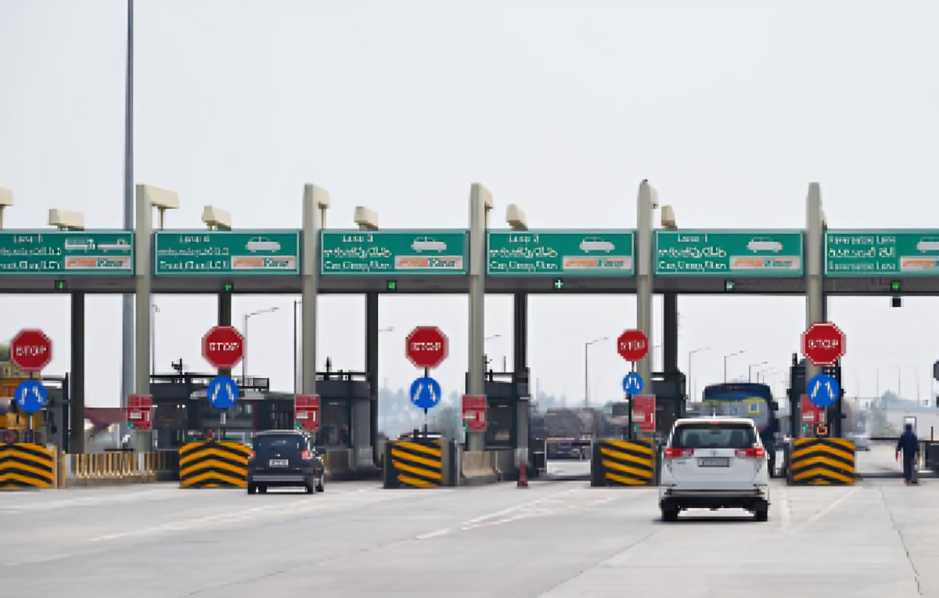

The proposed toll structure for the upcoming Virar–Alibaug multimodal corridor has come under public scrutiny, as planners attempt to balance infrastructure financing with affordability for commuters and transport operators across the Mumbai Metropolitan Region.
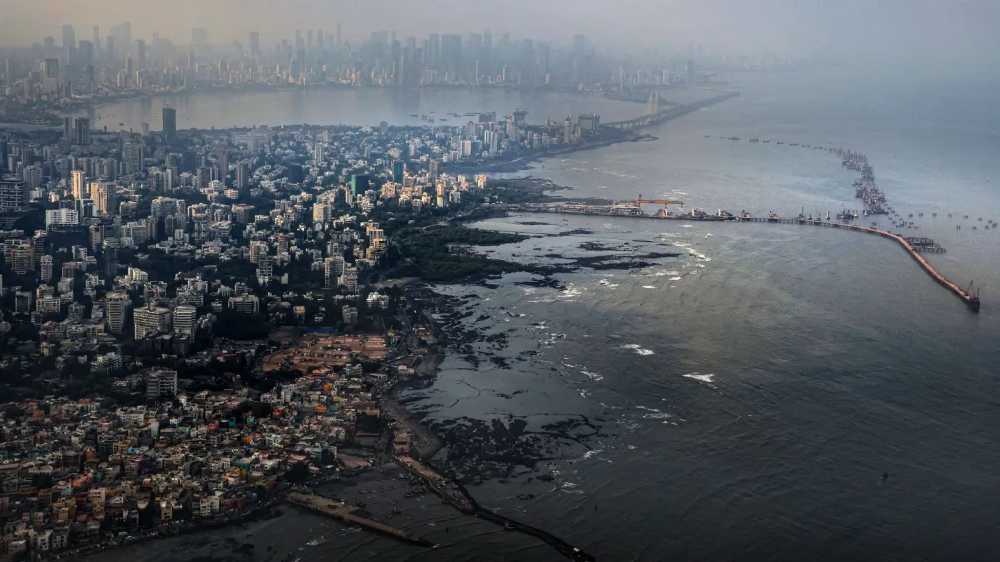
The 126-kilometre access-controlled corridor is envisioned as a key project to ease congestion in Mumbai by diverting through traffic and freight away from the city’s already overburdened road network. By linking the northern suburbs to the southern coastal belt, the route is expected to reduce travel time and improve connectivity across the region significantly.
However, the suggested toll for end-to-end travel—estimated between ₹765 and ₹1,000 depending on vehicle type—has sparked concerns over rising user costs. While toll-based funding remains a common approach for large infrastructure projects, experts caution that pricing must be carefully structured to ensure the corridor is widely used, particularly by logistics operators and daily commuters.
Officials associated with the project have pointed out that the corridor’s estimated cost of over ₹55,000 crore is largely due to extensive land acquisition and the complexity of constructing an 8 to 14-lane route through densely populated areas. In such cases, toll revenue is often necessary to recover investment and limit dependence on public funding.
At the same time, the debate highlights broader concerns around equitable mobility. Transport economists warn that if toll charges are perceived as too high, users may continue relying on existing congested routes, reducing the effectiveness of the new corridor. This could disproportionately affect small businesses and cost-sensitive commuters.
The project’s multimodal design offers some balance, with plans to integrate public transport options such as buses and potential metro links. Experts suggest that combining toll roads with strong public transport alternatives can create a more inclusive and efficient mobility system.
As the project progresses, issues such as land acquisition, rehabilitation, and environmental impact will also influence its acceptance. Ultimately, the corridor’s success will depend on striking the right balance between financial viability, accessibility, and sustainable urban development.
Source: Urban Acres