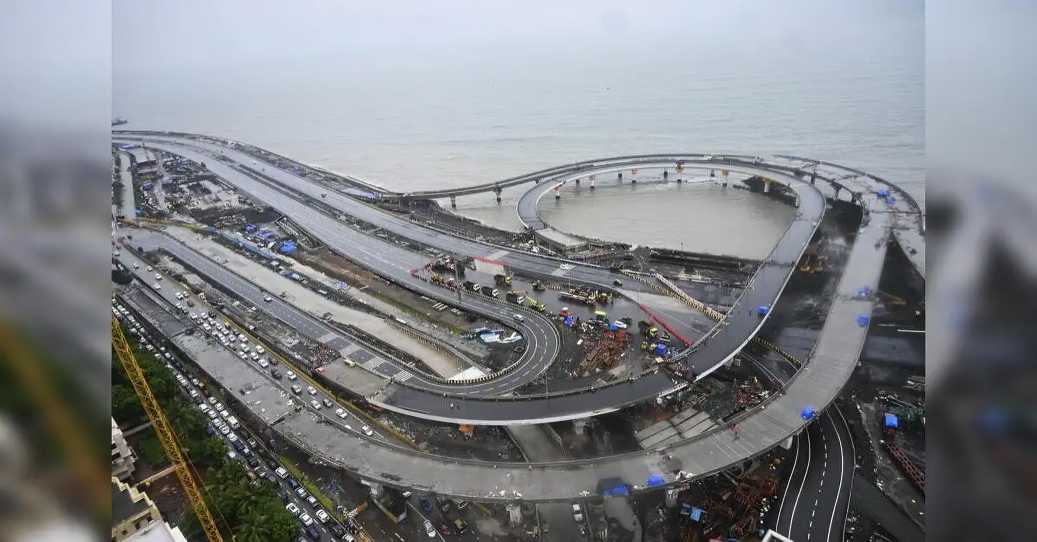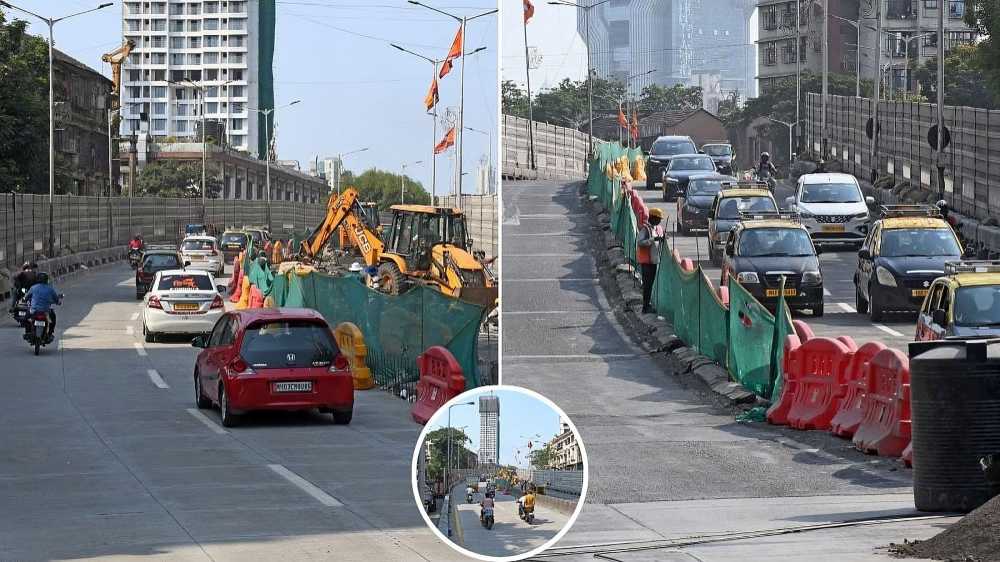

Traffic movement across a key stretch in central Mumbai has improved after authorities completed repair work on one side of the Sant Namdev Maharaj Flyover, easing restrictions that had disrupted vehicular flow for several weeks. The reopening has brought some relief to commuters travelling through the congested Parel–Dadar corridor, although work on the remaining section is still underway.
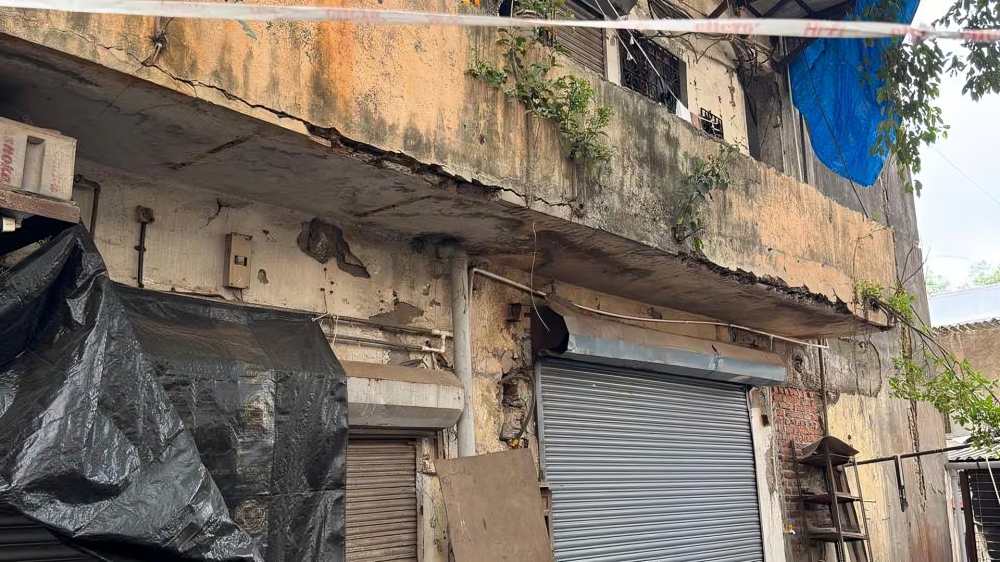
Located on Dr Babasaheb Ambedkar Road, the flyover is a critical connector linking busy residential and commercial areas in central Mumbai. Built over four decades ago, the structure has been undergoing phased repairs, reflecting the increasing need to maintain ageing infrastructure in a rapidly growing city.
With the northbound carriageway now operational, traffic authorities have lifted earlier round-the-clock restrictions that had forced vehicles onto alternative routes, significantly increasing travel time. However, the southbound lane remains under repair, and diversions continue to be in place. Commuters heading towards Dadar and Byculla are still relying on slip roads and time-based traffic management, particularly during peak evening hours.
Urban mobility experts point out that such phased repairs, while necessary, reveal the vulnerability of traffic systems that depend heavily on a limited number of arterial routes. In high-density areas like Parel and Hindmata, even partial closures can have cascading effects, leading to congestion across adjoining roads.
The Sant Namdev Maharaj Flyover has long been a bottleneck due to heavy traffic volumes, mixed land use, and proximity to major transit points. Peak-hour congestion often results in long delays over short distances, highlighting the strain on Mumbai’s road network.
Authorities aim to complete the remaining repair work before the monsoon season, when deteriorating road conditions and waterlogging can worsen traffic issues. The situation also underscores the need for balancing new infrastructure projects with regular maintenance to ensure smoother urban mobility in the long term.
Source: Urban Acres