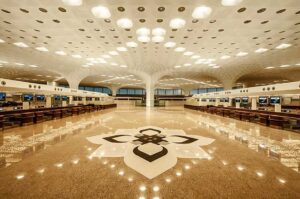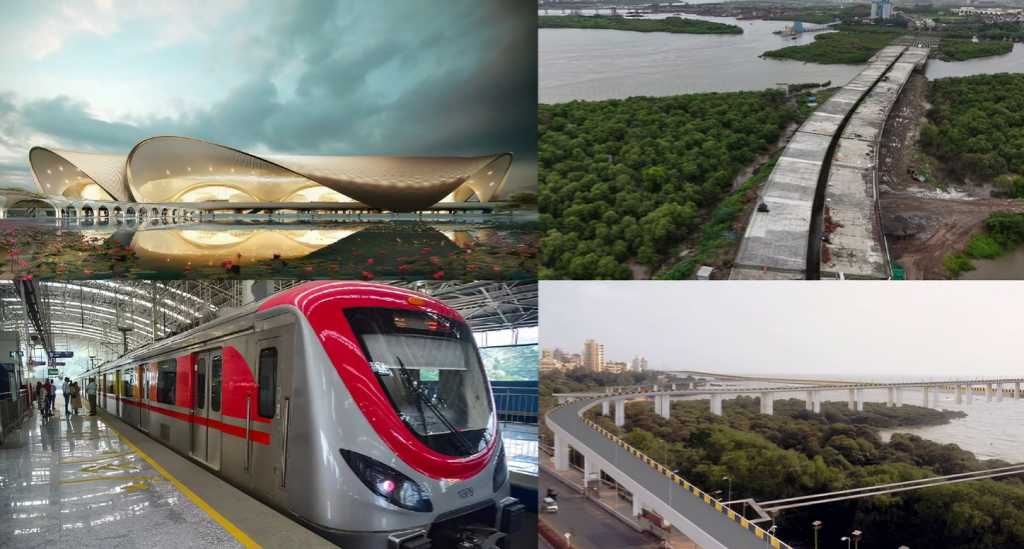

Navi Mumbai, particularly Ulwe and Dronagiri, has entered a significant growth phase in 2025–26, driven by a wave of infrastructure upgrades that are reshaping connectivity patterns, property demand, and investment sentiment across the region. The commissioning of the Navi Mumbai International Airport (NMIA), along with multiple transport and road projects, has strengthened confidence among both developers and homebuyers. Industry stakeholders expect continued absorption in well-connected micro-markets supported by steady housing demand growth.
Following the airport’s operationalisation, adjoining micro-markets have recorded price gains of around 5–7%. Residential values in the premium segment, especially homes priced between Rs 3 crore and Rs 5 crore, have seen similar appreciation, translating into absolute gains of nearly Rs 15 lakh to Rs 30 lakh across select projects.
A series of infrastructure initiatives, including the Ulwe Coastal Road, Kharghar Coastal Road, Amar Marg (NH-348), Palm Beach Road Extension, and the upcoming Mumbai Metro Line 8, are set to significantly enhance regional mobility. Metro Line 8, also known as the Gold Line, will connect Chhatrapati Shivaji Maharaj International Airport (CSMIA) with NMIA across a 35 km corridor featuring 20 stations, including 6 underground and 14 elevated. Once completed, it is expected to reduce inter-airport travel time to approximately 30–35 minutes.
However, broader macroeconomic uncertainties have moderated sentiment in the short term. “War has affected the market. Investors and homebuyers are holding back decisions due to global uncertainty and its impact on the economy. Rising fuel prices have also affected business and profits,” said Dharmendra Karia, former builders’ association representative.
Despite this, demand remains resilient in airport-adjacent locations such as Ulwe, Pushpak Nagar, New Panvel, Chirle, and Taloja. “This region offers everything – the airport, JNPT, railway connectivity, planned roads, upcoming metro lines, and improving infrastructure. Property rates are still comparatively affordable and appreciating steadily, so buyers are choosing to invest here,” said developer Nalin Sharma.
Buyer behaviour is also evolving, with many upgrading from established nodes like Vashi, Nerul, and Kopar Khairane to larger homes in emerging zones at comparatively lower prices.
Overall, the region continues to benefit from long-term infrastructure-led growth, with improved accessibility expected to further sustain demand and attract both end-users and investors in the coming years.
Source: Newsband