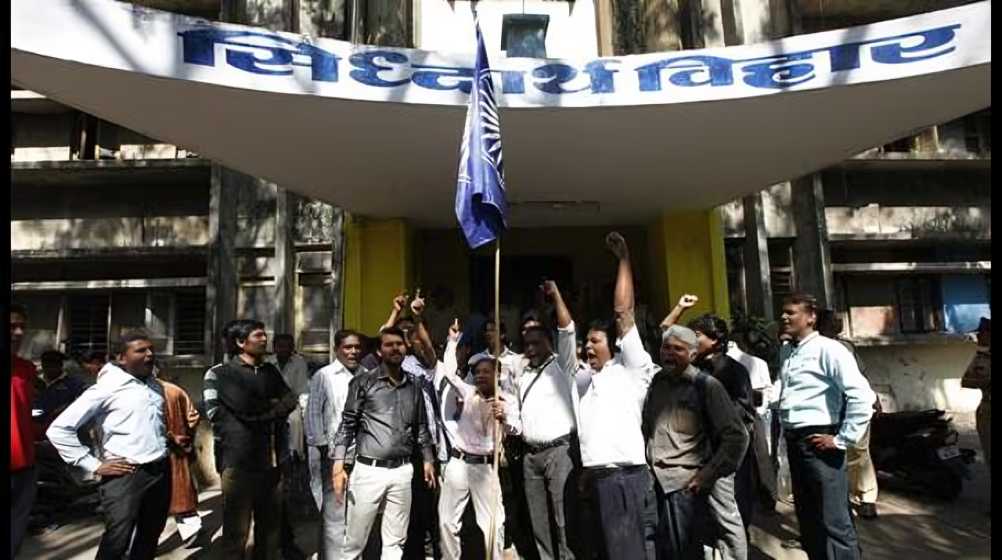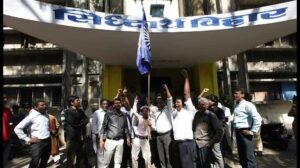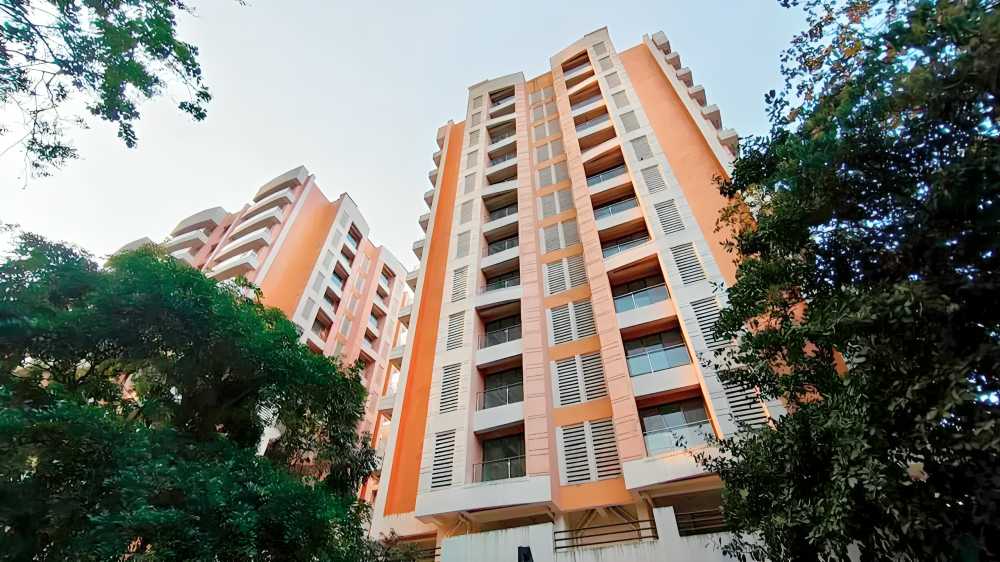

After weeks of escalating tensions and a prolonged hunger strike, residents of Mumbai’s Patra Chawl redevelopment project in Goregaon have withdrawn their protest following assurances from Maharashtra Deputy Chief Minister Eknath Shinde. The breakthrough came after a high-level meeting at Mantralaya and directions from the Bombay High Court regarding the long-pending rehabilitation matter.
The residents, who had been on a nearly 50-day chain hunger strike over grievances related to their allotted flats, agreed to accept possession after the government committed to key relief measures. The meeting, chaired by Shinde and convened by the state Housing Department, focused on resolving pending issues in the controversial redevelopment project and charting a way forward.
One of the major outcomes was the approval of a 10% rent escalation effective from 2019, a long-standing demand of the affected families. The Maharashtra Housing and Area Development Authority (MHADA) has also been tasked with carrying out essential repair work in the flats, along with the renovation of the Ambamata Mandir (Jirnodhar), which is located within the project area.
The discussion was attended by MLAs Sunil Prabhu, Vidya Thakur, and Aslam Sheikh, along with senior MHADA officials and selected representatives of the housing society.
The issue has been under judicial review, with the Bombay High Court directing MHADA to complete the handover process by April 30, 2026. A bench comprising Justices GS Kulkarni and Aarti Sathe observed that while some residents have already taken possession, the remaining beneficiaries must do so within the deadline. The court also allowed MHADA to deploy officials on-site to facilitate smooth distribution.
The court further ruled that if eligible residents fail to take possession within the stipulated timeline, the authority may allocate the flats for public housing use, though delayed claimants could regain access later after due notice.
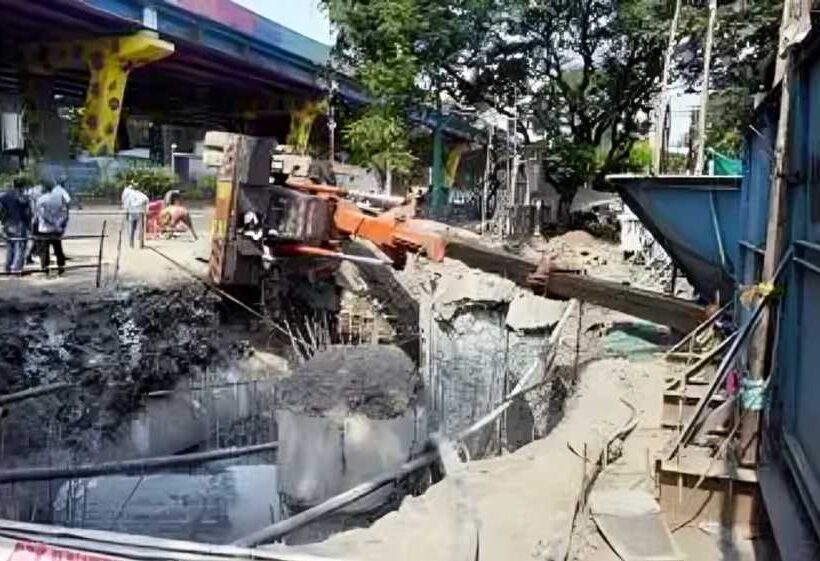
The Patra Chawl redevelopment project in Siddharth Nagar, Goregaon West, originally began in 2008 under a private developer before being taken over by MHADA after facing major delays and irregularities. Over the years, the project has been mired in disputes, shifting deadlines, and allegations of poor execution.
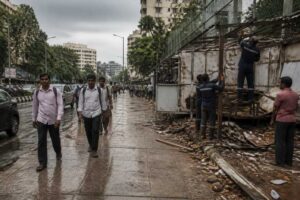
Even after completion, several residents have complained about substandard living conditions, citing leakages, broken fixtures, unhygienic spaces, and lack of basic amenities. Many also alleged that court-ordered repairs were not carried out and that rental allowances had been discontinued.
Resident Naresh Sawant (56) said, “The contractor falsely claimed before the high court that all units were in good condition. We took possession under protest, but there is no clean drinking water, the rooms are filthy, doors are broken, and repairs ordered by the court have not been carried out. Even our rental allowance has been stopped.”
Another resident, Rekha Naik (64), added, “Following assurances from the Deputy CM, we ended our hunger strike. Around 400 members have taken possession so far. We urge the government to approve the long-pending 10% rent escalation since 2019, complete all repairs, and ensure proper compensation if needed.”
While the government’s intervention has temporarily eased the standoff, residents continue to press for complete repairs, restoration of rent support, compensation for missing amenities, and formalisation of development agreements. The Patra Chawl case remains a key example of the complexities and delays in Mumbai’s large-scale redevelopment projects.
Source: Mid-day