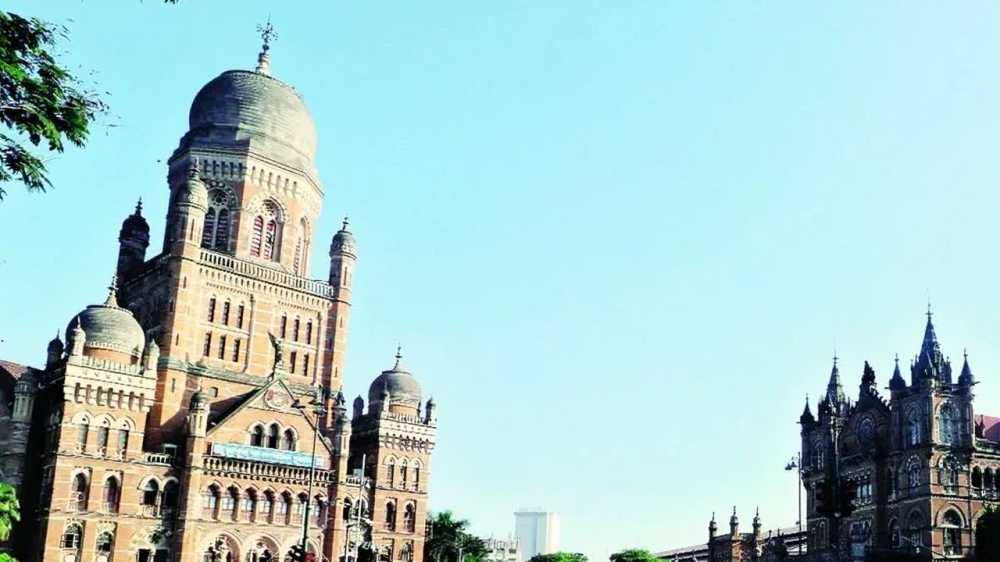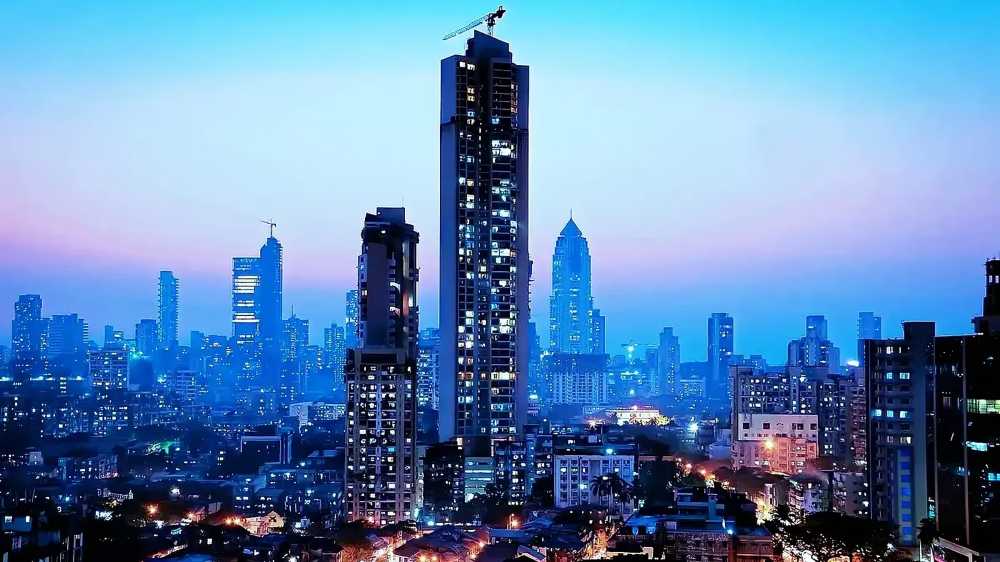

The long-term urban development roadmap of Mumbai Metropolitan Region Development Authority (MMRDA) is set to be presented at an international policy forum in Switzerland, reflecting India’s growing push to position the Mumbai Metropolitan Region as a global hub for sustainable infrastructure and integrated urban planning.
Senior officials from MMRDA will participate in the World Economic Forum-linked Davos Baukultur Alliance Annual Meeting in Bern. The discussions are expected to centre on climate-resilient urbanisation, mobility systems, infrastructure financing, and long-term city design strategies.
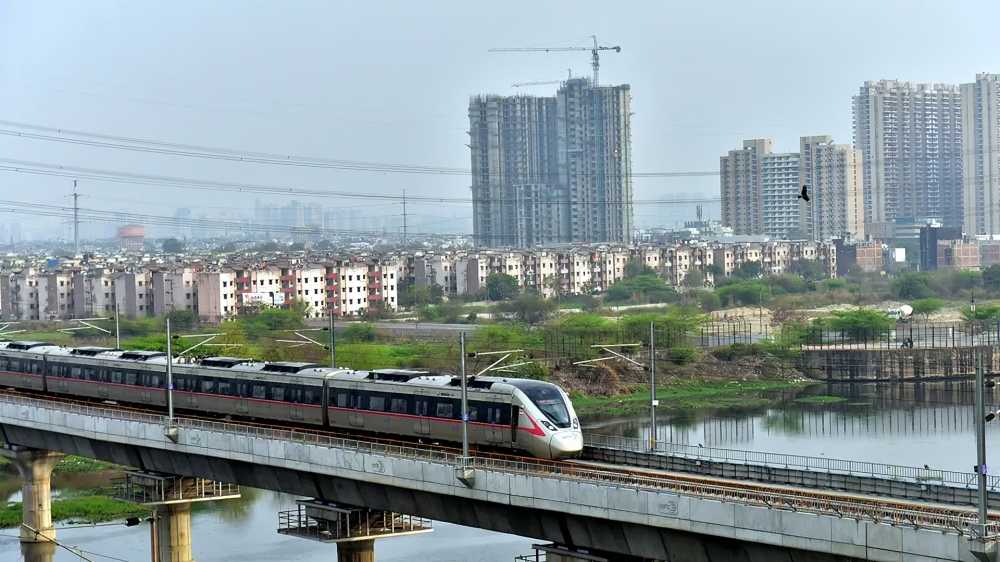
The presentation comes at a time when the Mumbai Metropolitan Region is witnessing one of its most extensive infrastructure expansion phases. Authorities are expected to highlight metro rail networks, multimodal transport systems, underground mobility corridors, and emerging urban growth clusters being developed under regional planning frameworks.
Urban policy experts note that global platforms such as the Bern meeting increasingly influence investor sentiment and shape how metropolitan regions are evaluated for long-term infrastructure capital, particularly in areas linked to sustainability and climate resilience.
For Mumbai, officials are likely to emphasise transit-oriented development and integrated mobility planning aimed at reducing travel time and easing chronic congestion. The region, which houses over 26 million residents, continues to face challenges related to housing demand, traffic bottlenecks, flooding risks, and uneven infrastructure distribution.
Analysts say infrastructure expansion alone will not be sufficient unless supported by stronger land-use planning, ecological safeguards, and improved affordability in urban access. Global urban forums are also placing greater focus on low-carbon and climate-resilient infrastructure rather than purely growth-driven development.
MMRDA’s participation signals a broader shift among Indian metropolitan agencies seeking international partnerships and funding avenues for complex urban projects. Mumbai’s ongoing infrastructure pipeline now includes metro expansion, logistics corridors, redevelopment zones, and integrated transport systems.
Experts caution that global credibility will depend on execution efficiency, transparency, and sustainable outcomes, rather than scale alone. As the city expands through new corridors and economic nodes, balancing growth with environmental resilience and equitable access remains a key policy challenge.
Source: Urban Acres