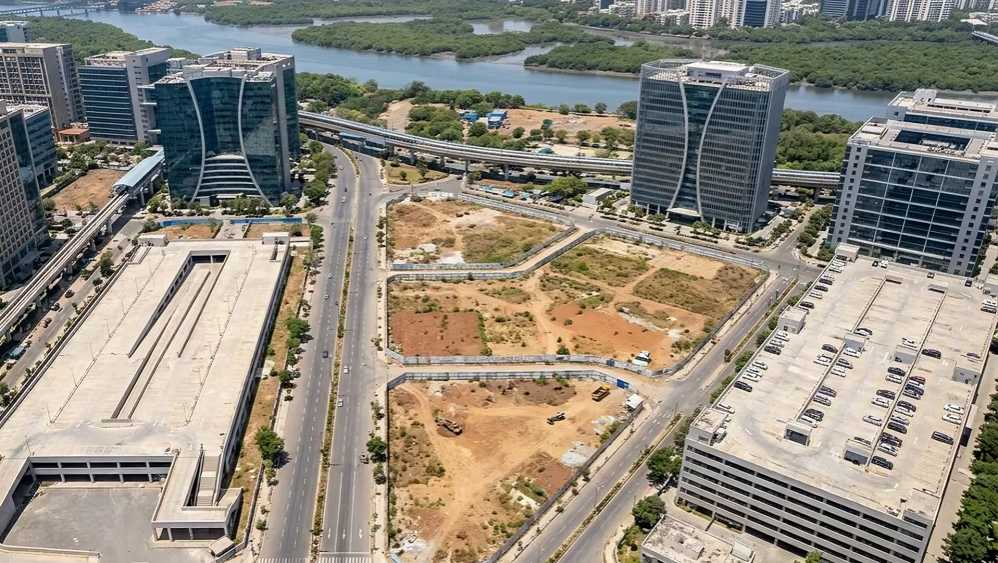

Mumbai’s metro-led urban development framework has received international attention at the Davos Baukultur Alliance 2026 held in Switzerland, with officials stating that the Mumbai Metropolitan Region Development Authority (MMRDA) was recognised for its large-scale infrastructure-driven transformation initiatives.
According to an official statement, MMRDA’s participation at the annual event, held in Bern and associated with the World Economic Forum (WEF), placed Mumbai among key global urban regions being studied for sustainable and long-term city planning strategies. The forum brought together global leaders from urban development, infrastructure, finance, architecture, and public policy to discuss pathways for building more liveable cities.
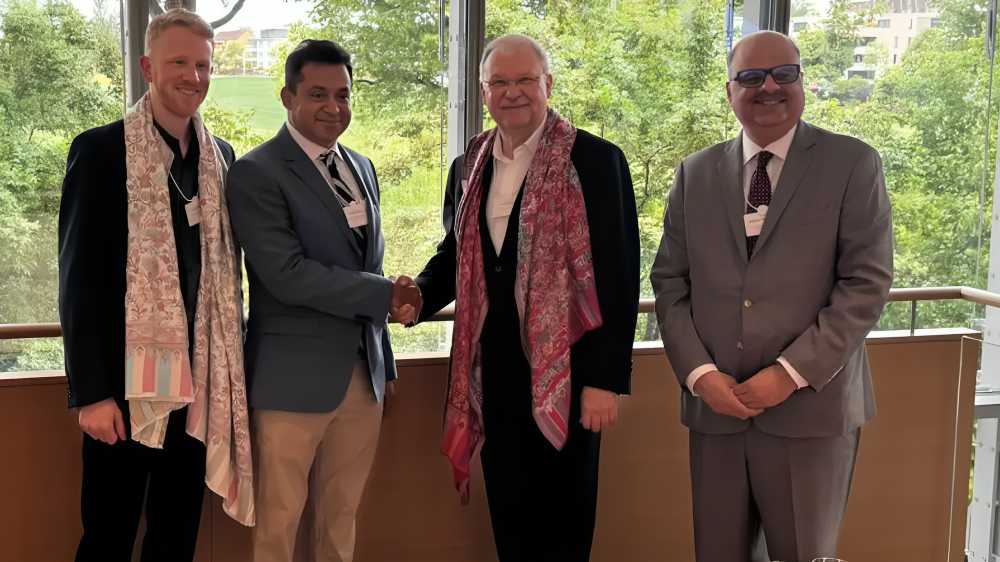
Metropolitan Commissioner Dr. Sanjay Mukherjee represented the Mumbai Metropolitan Region at the high-level discussions focused on metropolitan growth and future urban design strategies. During the visit, he also met Alois Zwinggi to explore opportunities for expanding collaboration between MMRDA and the World Economic Forum beyond 2026.
The discussions centred on sustainable urban growth, climate resilience, infrastructure investment, and integrated transport systems designed to support rapidly expanding cities.
The event was organised under the theme “Liveable Places”, highlighting global approaches to making cities more sustainable, inclusive, and economically resilient. Experts also examined the concept of “Baukultur”, which promotes high-quality urban environments combining sustainability, cultural identity, and long-term planning frameworks.
MMRDA’s participation highlighted Mumbai’s growing role as a major global urban transformation hub, according to the statement.
During a session titled “Before the First Brick: Aligning Capital with Quality”, Dr. Mukherjee outlined Mumbai’s approach to integrated metropolitan development through large-scale infrastructure projects. These include metro rail expansion, underground transport systems, multimodal mobility networks, Transit-Oriented Development (TOD), digital mobility integration, and the creation of regional economic growth centres.
He also presented MMRDA’s broader vision frameworks, including “Mumbai in Minutes” and “Mumbai 3.0”, which aim to improve connectivity, boost economic activity, and enhance overall quality of life across the metropolitan region.
Global stakeholders reportedly expressed strong interest in Mumbai’s integrated development approach, particularly due to the complexity of managing infrastructure expansion in one of the world’s most densely populated urban regions. The model integrates infrastructure growth, sustainability planning, and regional connectivity under a unified institutional structure.
MMRDA stated that this recognition positions Mumbai among leading global cities shaping the future of sustainable urbanisation and infrastructure-led development.
On the sidelines of the event, Dr. Mukherjee invited Zwinggi to visit Mumbai for further collaboration under the ongoing partnership between MMRDA and the World Economic Forum. The two organisations had previously signed a Memorandum of Collaboration in Mumbai in September 2024 to advance cooperation in sustainable infrastructure and future-ready urban planning.
Officials noted that several initiatives under this partnership are already progressing across mobility, sustainability, infrastructure, and economic development sectors.
Dr. Mukherjee said Mumbai stands as a critical global urban growth centre and added that MMRDA aims to position the region as climate-resilient, competitive, and future-ready, while offering scalable lessons in metropolitan governance for cities worldwide.
Source: Mid-day