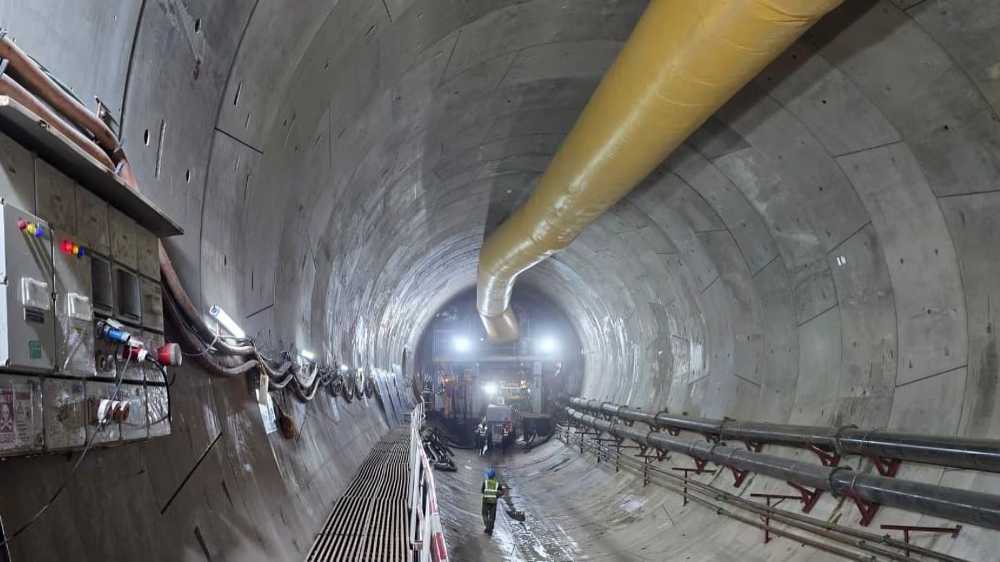

The Mumbai Metropolitan Region Development Authority (MMRDA) has reached a significant construction milestone in the Orange Gate road tunnel project, with 250 metres of underground tunnelling completed. The ambitious infrastructure initiative is designed to connect Mumbai’s eastern and western corridors through a deep underground route running nearly 50 metres below the surface.
As part of the ongoing work, the authority has also installed permanent segmental lining rings within the excavated stretch. These structural components form the finished tunnel surface after excavation. So far, more than 575 rings, created using approximately 4,600 precast concrete segments, have been successfully placed.
The project, often referred to as Mumbai’s “Patal Lok” road network, involves the construction of two parallel tunnels. Each tunnel will carry two traffic lanes along with one emergency lane, forming a combined single-carriageway length of about 4.8 kilometres. The design has been engineered for a travel speed of up to 80 km/h. Safety features include cross-passages at intervals of every 300 metres to enable emergency evacuation and operational access between both tunnel tubes.
The alignment has been carefully planned to ensure minimal disruption to existing surface infrastructure, including buildings, railway lines, and metro systems. Speaking on the project, Chief Minister Devendra Fadnavis said, “Mumbai is entering a new era of infrastructure development where future mobility solutions will increasingly move beyond conventional surface transport systems. Projects such as the Orange Gate underground tunnel demonstrate our commitment towards building globally benchmarked urban infrastructure that enhances mobility capacity while preserving the city’s operational efficiency above ground. This project is an important step towards creating a faster, more connected, and future-ready Mumbai with tunnel road network called Patal Lok road Network.”
According to MMRDA, the tunnel is expected to drastically reduce travel time along the corridor, bringing peak-hour commuting duration down from around 40 minutes to approximately 5 minutes. The project is intended to bypass heavily congested surface routes, significantly improving traffic flow in the city’s core transport network.
Metropolitan Commissioner Sanjay Mukherjee, IAS, highlighted the engineering complexity of the work, stating, “Executing deep urban tunnelling beneath one of the most densely populated city environments in the country requires exceptional engineering precision, planning, and safety management. This milestone reflects the steady and disciplined progress being achieved on this transformative infrastructure project,”
Tunnelling operations are being carried out using a Slurry Shield Tunnel Boring Machine with a cutter head diameter of 12.19 metres. The machine, weighing around 2,400 tonnes and extending 80 metres in length, has been specifically adapted for Mumbai’s coastal and mixed geological conditions. It was refurbished and re-engineered in India to suit local requirements. The slurry shield system maintains consistent pressure at the excavation face, reducing the risk of ground movement in densely built urban areas.
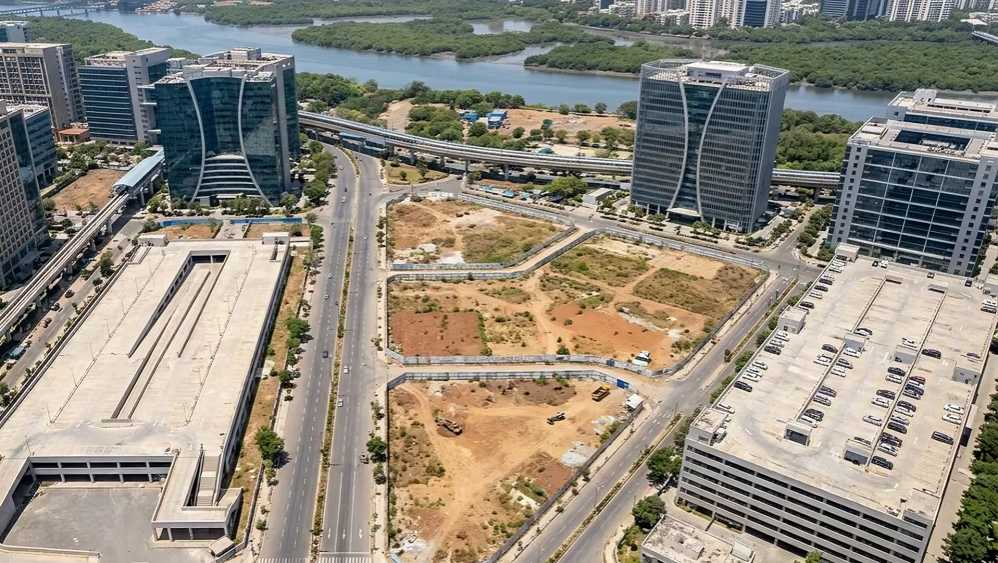
In addition to underground works, construction has also begun on surface-level approach infrastructure, including viaducts and ramp connections. The 250-metre completion marks an early phase of the overall 4.8-kilometre alignment, with excavation work continuing across multiple sections. No official completion timeline has been announced so far.
Source: Financial Express