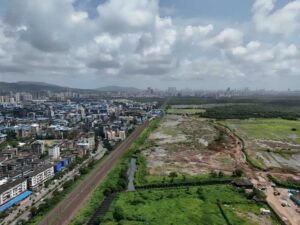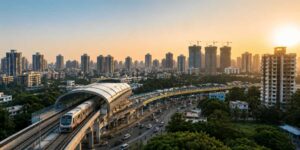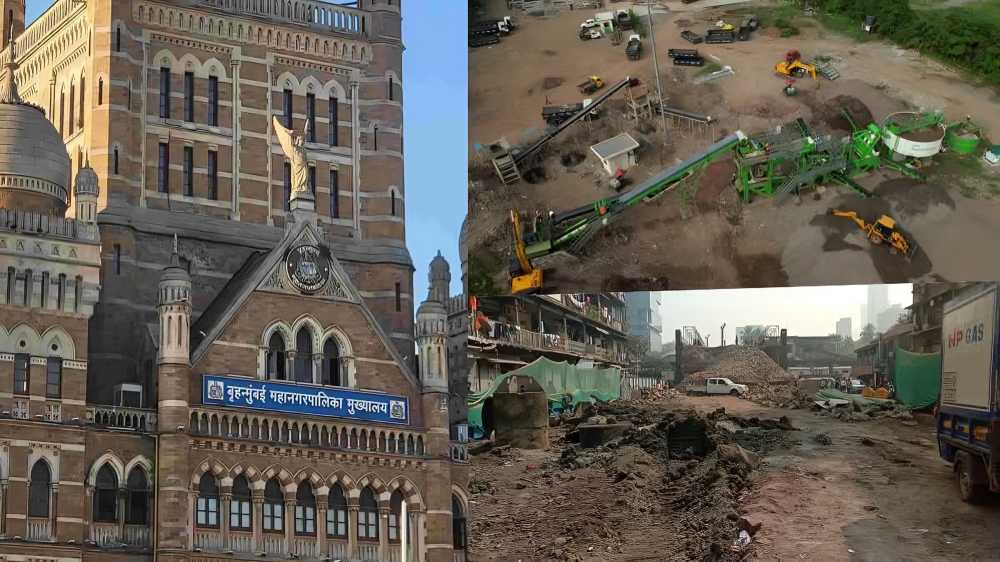

Rapid redevelopment and infrastructure expansion across Mumbai are leading to a sharp rise in construction and demolition (C&D) waste, with the city now generating over 8,000 tonnes of debris every day — surpassing the volume of domestic solid waste by nearly 1,000 tonnes.
According to officials from the Brihanmumbai Municipal Corporation, the city’s existing infrastructure for handling construction debris remains inadequate despite the growing scale of redevelopment projects. To address the issue, the civic body has proposed a new action plan that includes a digital monitoring system, stricter regulations and expansion of recycling facilities.
The proposed digital dashboard, inspired by Delhi’s debris portal, would require developers and infrastructure agencies to disclose the quantity of debris generated along with transportation and disposal details. The plan has already been submitted to a high-level committee constituted by the Bombay High Court, which is examining rising air pollution levels in the city.
Kiran Dighavkar, Deputy Commissioner of the Solid Waste Management Department, said, “Currently, Mumbai generates approximately 8,000 tonnes of construction and demolition (C&D) debris daily. Just five years ago, only 1,200 to 1,300 tonnes of debris per day were being generated. In comparison, the city’s domestic solid waste generation amounts to 7,000 tonnes per day. The fact that C&D debris exceeds the total volume of other waste generated in the city, it is causing a serious urban challenge. At present, there is no concrete solution to solve this problem.”
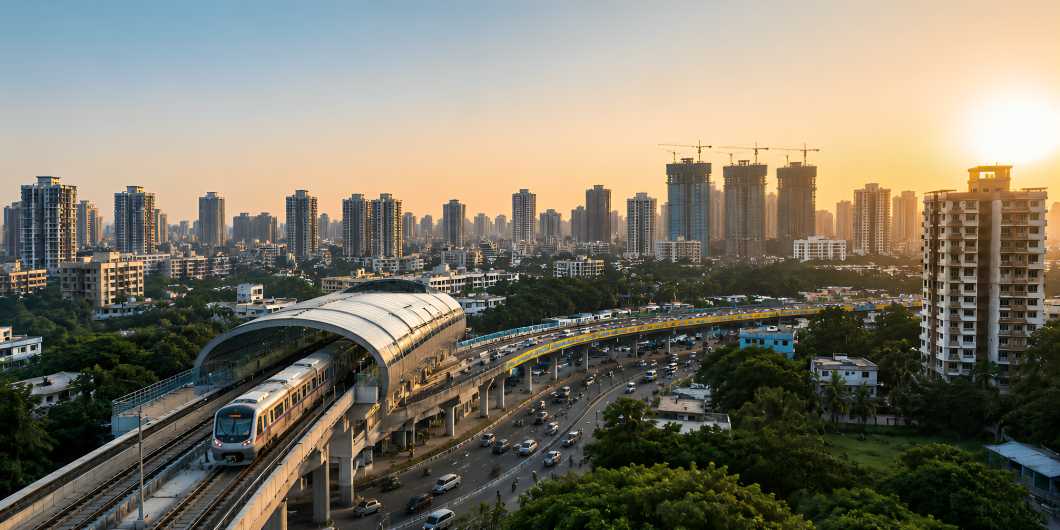
The increase in debris generation is being linked to the redevelopment of over 2,000 old buildings, along with large-scale housing and infrastructure projects undertaken by Maharashtra Housing and Area Development Authority and Slum Rehabilitation Authority.
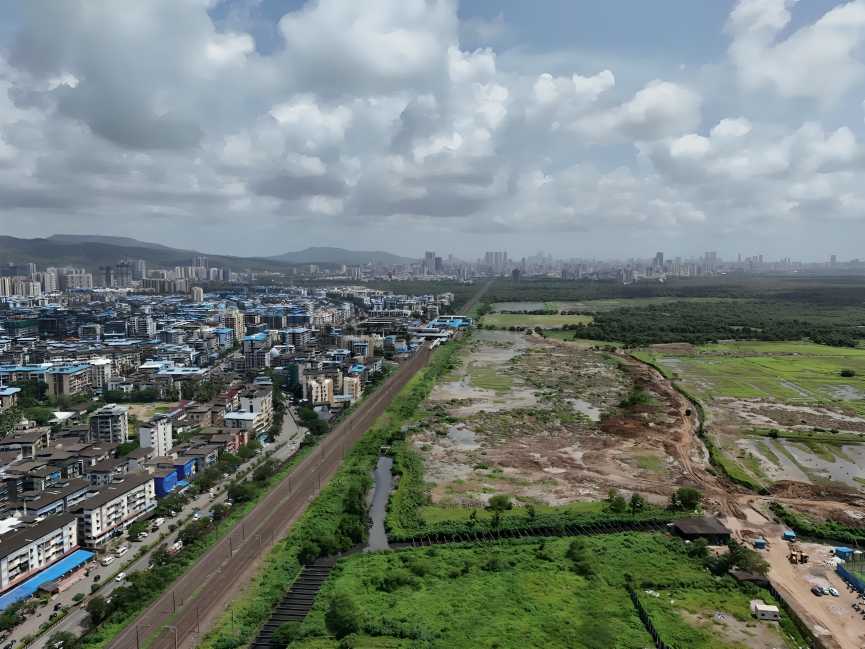
Currently, Mumbai has only two authorised debris recycling plants located in Dahisar and Kalyan, each with a capacity of 600 tonnes per day. Officials said illegal dumping of debris along mangrove belts and ecologically sensitive zones continues to remain a major concern.
Environmentalist Stalin D stated, “Developers dump debris indiscriminately. This disrupts the natural drainage system. Dumping debris into the sea is leading to the destruction of mangrove forests. Consequently, this is also a contributing factor to waterlogging in the city during the monsoon season. Rather than merely focusing on the generation of debris, it is imperative to ensure its proper disposal.”
Source: ETV Bharat