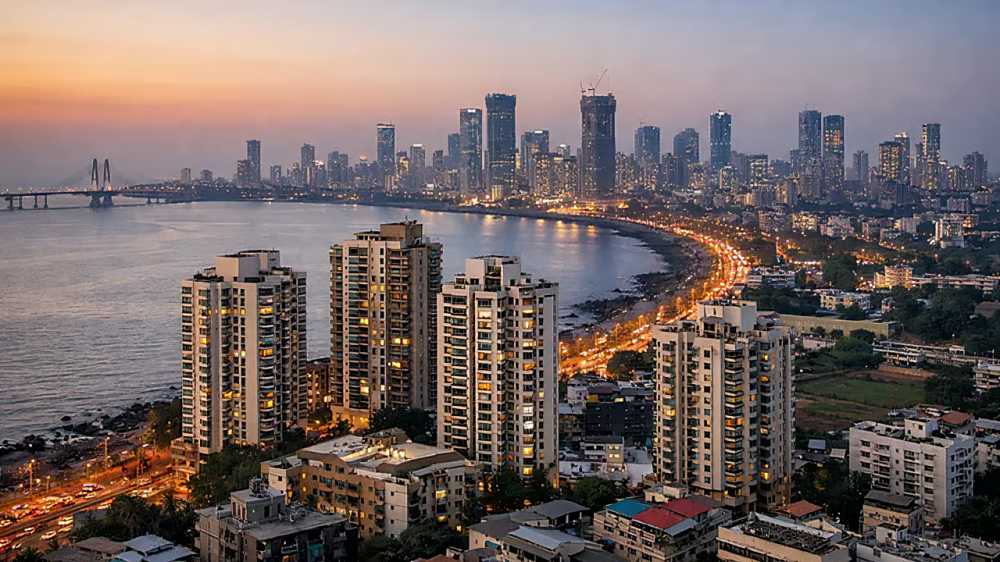

Mumbai’s redevelopment sector is witnessing sustained growth in 2026 as ageing residential buildings, limited land availability and rising housing demand continue to accelerate redevelopment activity across the city.
The redevelopment momentum, which strengthened significantly in 2025, has continued this year with developers increasingly focusing on urban renewal projects instead of acquiring new land parcels, which have become scarce and extremely expensive within Mumbai city limits.
According to a report cited by Hindustan Times based on Knight Frank data, redevelopment activity in Mumbai recorded a 16 per cent increase in 2025. Industry experts note that redevelopment projects are becoming a preferred strategy for developers looking to unlock value in prime city locations while offering residents upgraded homes and improved amenities.
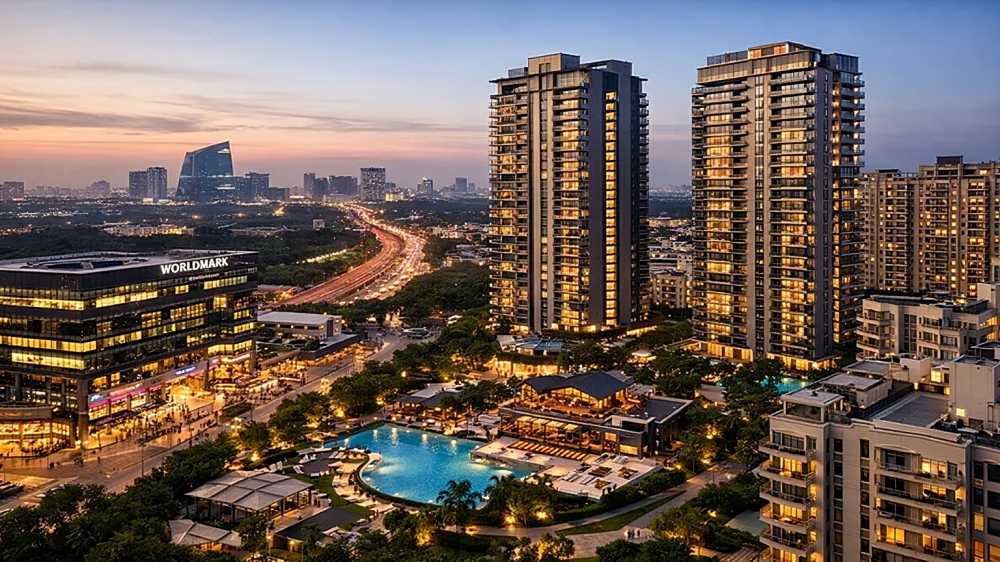
Several established residential neighbourhoods across Mumbai are dominated by ageing buildings constructed decades ago. Many of these structures face structural deterioration, outdated infrastructure and growing maintenance challenges, while some are also under scrutiny over safety concerns. As a result, housing societies are increasingly opting for redevelopment instead of repeated repair works.
Developers are actively targeting locations such as Andheri, Bandra, Borivali, Ghatkopar, Mulund and parts of South Mumbai, where redevelopment potential remains high due to strong housing demand and connectivity advantages. Redevelopment projects in these micro-markets are also enabling developers to create premium residential inventory with higher market value.
One of the major drivers behind this trend is Mumbai’s severe land scarcity. With land acquisition costs continuing to rise sharply, redevelopment has emerged as a more practical and financially viable route for developers and housing societies alike.
Industry stakeholders also point out that modern homebuyers increasingly prefer newly constructed buildings offering amenities such as parking spaces, upgraded utilities, security systems and community infrastructure aligned with evolving lifestyle expectations.
However, redevelopment projects continue to face challenges, including complex negotiations with residents, temporary rehabilitation arrangements, regulatory approvals and financing-related delays. Despite these hurdles, redevelopment is increasingly becoming a central component of Mumbai’s long-term residential growth and urban transformation strategy.
Source: Outlook Money