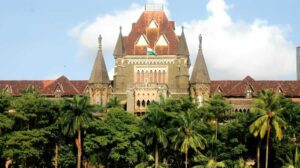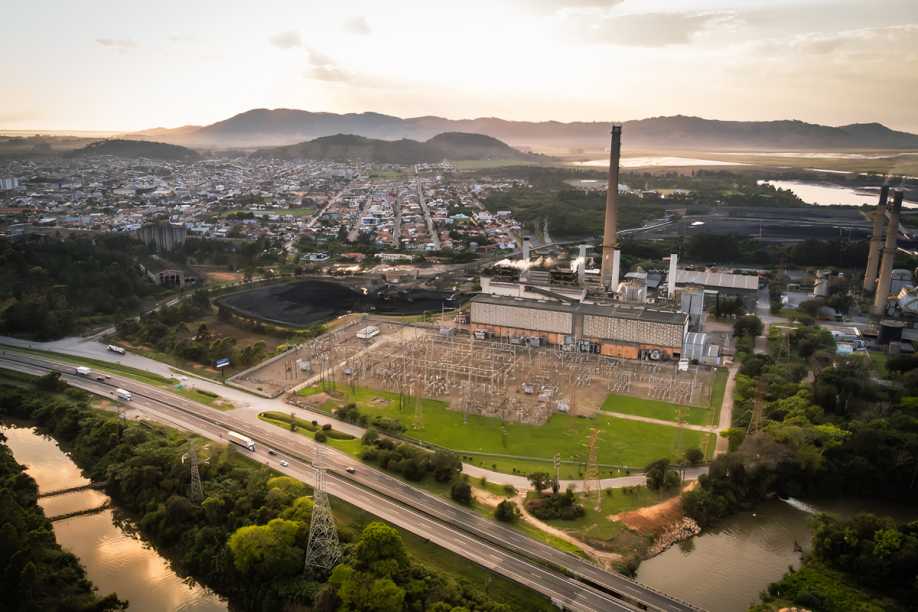

The Brihanmumbai Municipal Corporation (BMC) is considering the revival of Mumbai’s first decentralised waste-to-energy (WTE) facility at Pali Hill in Bandra after the project became non-operational last year due to maintenance and operational issues.
The plant, launched in 2018 in Mumbai’s western suburbs, was developed as a community-based solid waste management initiative in collaboration with the Pali Hill Residents Association (PHRA). Civic officials stated that the facility was originally designed to process nearly one tonne of organic household waste every day and convert it into electricity for local use.
According to officials, the electricity generated by the plant was previously used to power around 69 streetlights in the neighbourhood while also supporting the facility’s own operations. The project was introduced as part of broader efforts to promote decentralised waste management and reduce dependence on large-scale transportation and landfill-based waste disposal systems in Mumbai.
Earlier reports by Mumbai Mirror, The Times of India and Swachh India had highlighted the project as one of Mumbai’s early citizen-supported urban sustainability initiatives focused on converting residential organic waste into usable energy.
The plant served residential societies in and around the Pali Hill area and was viewed as an experimental model for localised waste processing during its initial years of operation.
Officials said operational problems began emerging after a change in the maintenance agency in 2021. According to civic representatives, the new operator allegedly failed to carry out regular maintenance and upkeep activities, leading to the gradual decline of the facility’s functioning. The project eventually became defunct in 2025 after the operator reportedly expressed inability to continue operations and handed over control of the plant.
BMC officials are now exploring the possibility of restoring the project through CSR-backed financial support. Authorities are also evaluating whether the plant’s processing capacity can be expanded during the revival process.
The proposed revival comes as the civic body continues to explore decentralised waste-management systems and sustainability-focused infrastructure projects aimed at reducing pressure on Mumbai’s landfill-dependent waste disposal network.
Source: Prop News Time