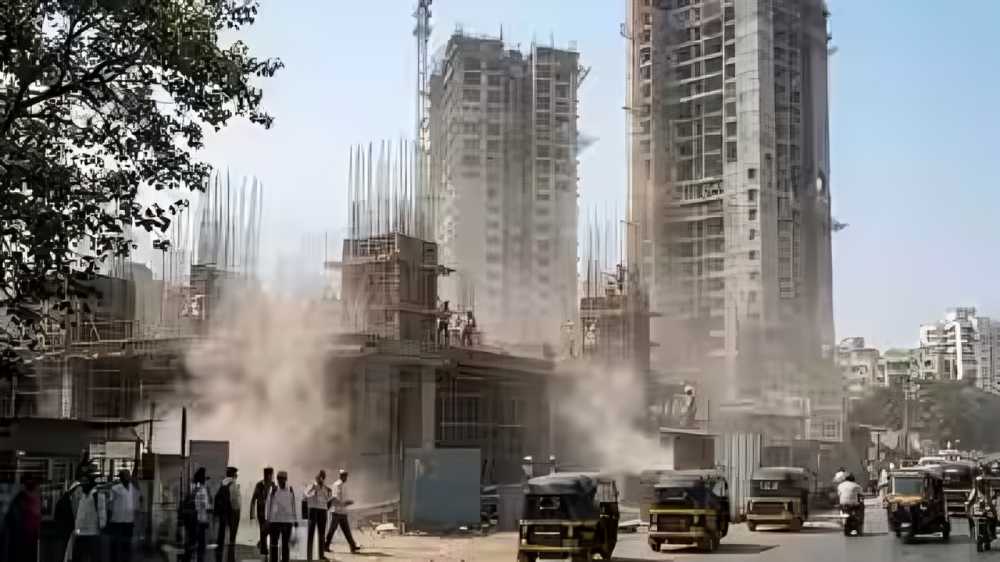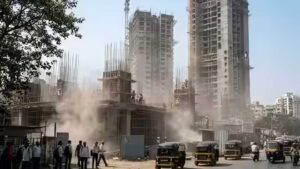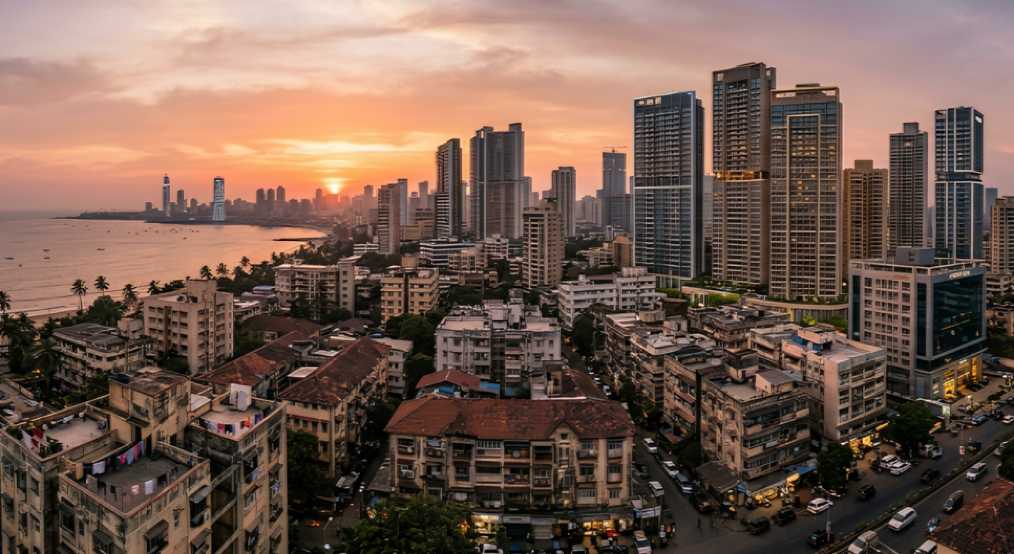

Mumbai’s western suburbs have emerged as the epicentre of the city’s redevelopment wave, with neighbourhoods from Santacruz and Andheri to Goregaon, Kandivali and Dahisar undergoing large-scale urban renewal. Ageing residential societies are being replaced by modern housing developments, transforming established communities and redefining the city’s growth model.
With limited land availability and increasing population density, redevelopment has become one of Mumbai’s most effective solutions for creating new housing stock. Rather than expanding outward, the city is increasingly focusing on rebuilding older residential clusters into larger, safer and more efficient developments that cater to contemporary lifestyle needs.
The scale of redevelopment activity is significant. Industry estimates suggest that redevelopment-led projects could generate more than 44,000 new homes with an estimated value of nearly ₹1.3 lakh crore in the coming years. Data from Knight Frank India indicates that over 900 housing societies across Mumbai have signed redevelopment agreements since 2020, with a substantial share concentrated in the western suburbs.
Slum rehabilitation has also remained a key component of the city’s urban transformation. Over the last three decades, more than 2,500 rehabilitation projects have reportedly been completed across Mumbai, benefiting nearly 2.83 lakh families while expanding access to formal housing.
Industry experts believe redevelopment today extends beyond replacing old structures and has evolved into a broader process of urban renewal involving improved infrastructure, better housing quality, community rehabilitation and optimal land utilisation.
“Redevelopment in Mumbai, especially across the western suburbs and within the slum rehabilitation segment, is about transforming communities through better housing and stronger infrastructure. Many of these areas have evolved organically over decades and are now being shaped through structured urban planning. The opportunity is significant, and while execution requires close coordination between authorities, residents and developers, it is also unlocking large-scale, positive and meaningful urban transformation,” said Rohan Brahmdev Shukla, Director and Chief Civil Officer, DGS Group.
Strong housing demand and limited opportunities for fresh land acquisition continue to support redevelopment activity in established suburban markets. Homebuyers are increasingly drawn to projects that offer upgraded amenities, modern construction standards and improved infrastructure while allowing them to remain in well-connected neighbourhoods.
Shraddha Kedia Agarwal, Director, Transcon Developers, observed, “The redevelopment story in Mumbai’s western suburbs is no longer only about replacing old buildings; it is about creating integrated urban communities with better infrastructure, open spaces and long-term livability. Homebuyers today prefer established locations because they combine connectivity with mature social infrastructure. This is making redevelopment projects increasingly viable despite the execution challenges.”
Industry stakeholders, however, emphasise that faster approvals and stronger coordination among government agencies will be crucial to sustaining redevelopment momentum in the years ahead.
As infrastructure investments continue to improve connectivity across Mumbai, redevelopment is expected to remain central to the city’s long-term growth strategy, with the western suburbs leading the transformation of existing urban neighbourhoods into future-ready communities.
Source: Realty Plus