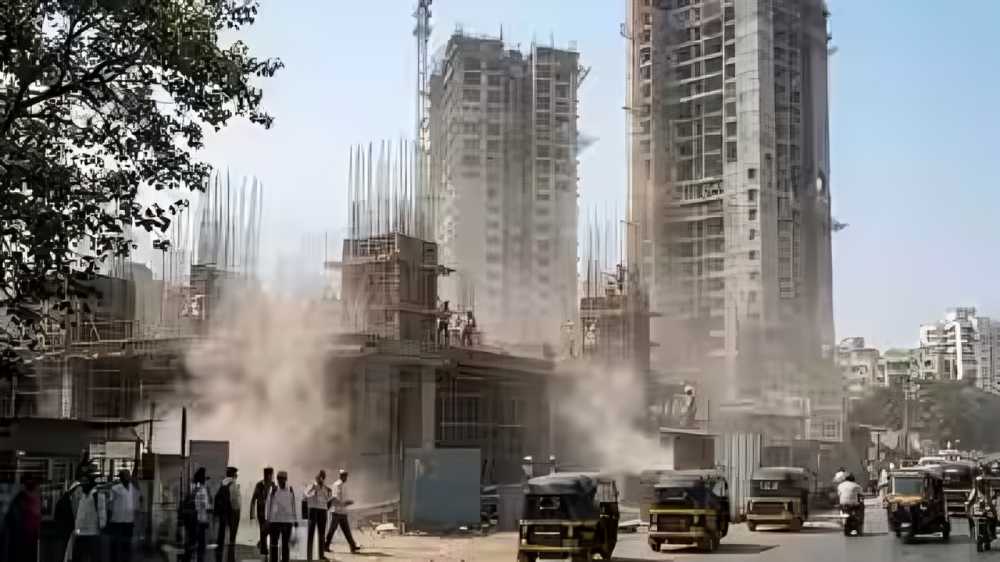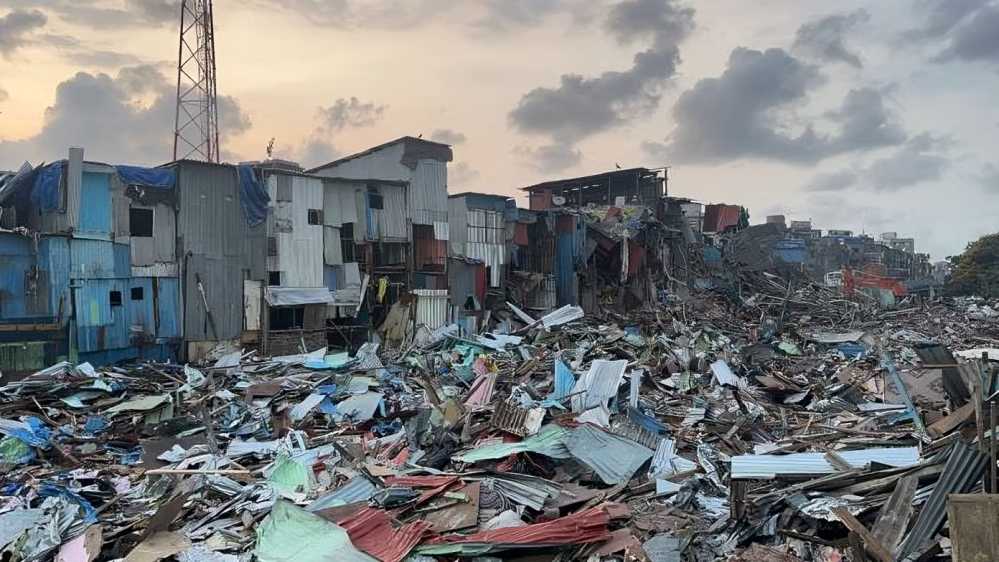

Garib Nagar, one of Mumbai’s most recognisable informal settlements, has witnessed its most dramatic transformation yet after Western Railway carried out a five-day demolition drive that cleared nearly 500 structures spread across 5,200 square metres near Bandra station. The settlement, which once gained international attention through Slumdog Millionaire, now stands largely erased as authorities move ahead with long-planned railway infrastructure upgrades.
Located between Bandra railway station and Bandra Terminus, Garib Nagar occupied prime railway-owned land that Western Railway had been attempting to reclaim since the 1980s. A Bombay High Court order dated April 29, 2026, paved the way for the demolition, which railway officials described as the largest anti-encroachment exercise undertaken by the zone so far.
The reclaimed land is expected to support the proposed Integrated Railway Complex, aimed at improving connectivity, passenger circulation, access roads, parking facilities and station infrastructure around one of Mumbai’s busiest transport hubs.
Vineet Abhishek, chief PRO at Western Railway, told ThePrint, “The reclaimed land is expected to become part of larger infrastructure plans around Bandra station, including projects linked to suburban rail capacity expansion and future station redevelopment.”
Adding, “Such projects are essential to easing congestion and improving commuter movement through one of Mumbai’s busiest transit nodes.”
For residents, however, the demolition marks the end of a settlement built over generations by migrant workers who arrived in Mumbai seeking employment. Over the decades, temporary shanties evolved into multi-storey structures, supported by political patronage, basic civic amenities and a strong community network.
The settlement survived multiple fires, legal disputes and eviction attempts. Actor and former Congress MP Sunil Dutt famously intervened during demolition drives in the 1980s and 1990s, earning lasting goodwill among residents.
While railway authorities have retained around 100 structures identified as eligible for rehabilitation, displaced families say they remain uncertain about their future, particularly with the monsoon approaching. Political leaders and activists have called for a comprehensive rehabilitation plan, while urban planners argue that the clearance was necessary to address long-standing congestion and infrastructure bottlenecks around Bandra station.
The story of Garib Nagar reflects Mumbai’s enduring struggle to balance infrastructure expansion, land scarcity and the rehabilitation needs of communities that helped build the city’s workforce.
Source: The Print