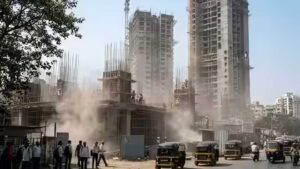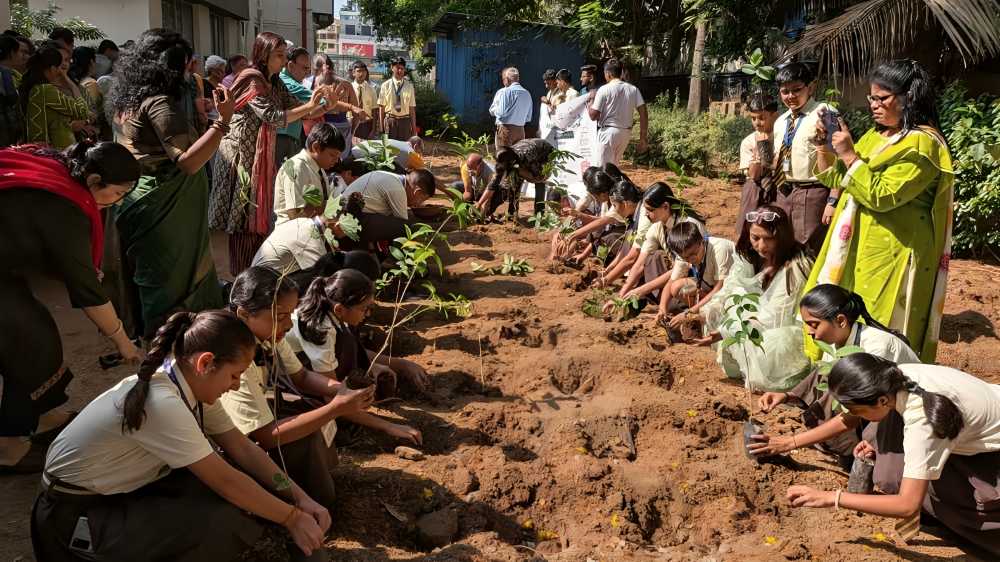

Mumbai’s residents are increasingly stepping in to create and protect green spaces as rapid redevelopment and infrastructure expansion continue to reduce the city’s natural cover. Across several neighbourhoods, citizens, environmental groups and volunteers are transforming vacant plots into micro-forests and community gardens in an effort to restore biodiversity and improve urban living conditions.
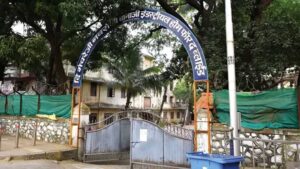
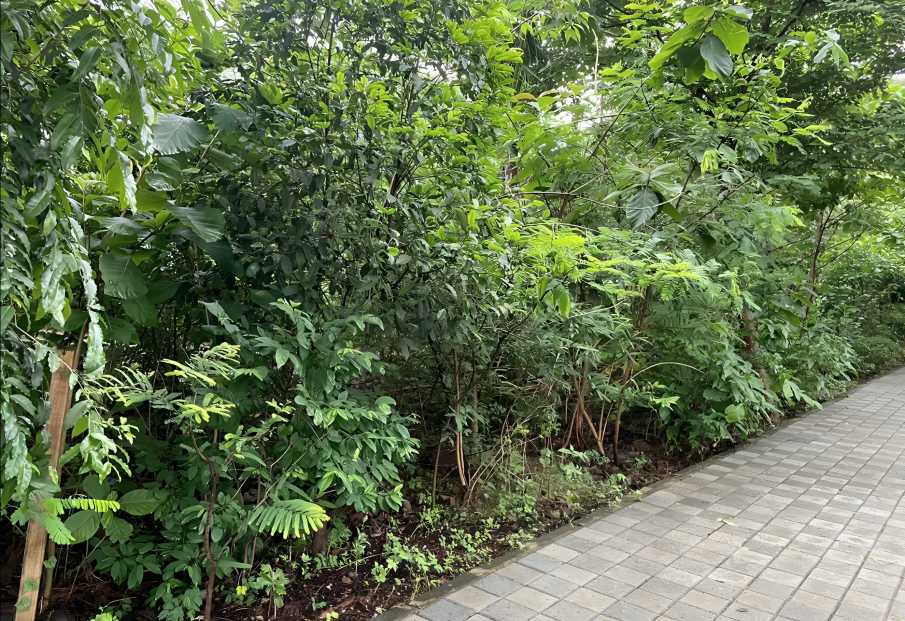
One such initiative is underway at R.R. Patil Garden in Mulund, where volunteers from My Micro Forest converted a former lawn into a dense patch of native vegetation. The project, however, faced significant challenges from the outset.
“When we started digging, we found out that the garden was built on top of garbage. It took us two months to simply clean the soil and rid it of all the plastic,” said volunteer Uttara Ganesh.
Ganesh believes such initiatives are driven by residents’ desire to improve their immediate environment. “The basic reason for a citizen (to get involved in these initiatives) is to improve their surroundings. The government doesn’t look at small patches done by citizen-led movements,” she said. “The main responsibility falls onto the government.”
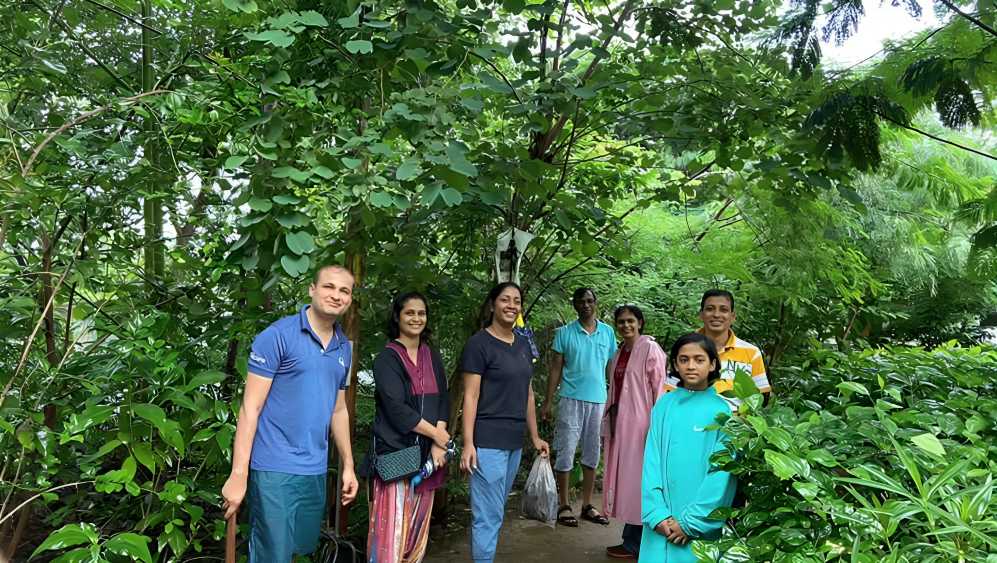
According to the group, the effort has already yielded visible environmental benefits. “After planting our garden, we tested and noticed a 10% improvement in the AQI from the garden entrance to our micro-forest,” Ganesh said.
Yet sustaining these green spaces remains difficult. “When we first planted, it got washed out because of very heavy rains,” she added, noting that micro-forests typically require nearly two years of maintenance before becoming self-sustaining.
Similar experiences have shaped the work of Mission Green Mumbai. Founder Subhajit Mukherjee recalled, “When we planted our first plantation in Mumbai, all the trees died within six months. We realized that only planting trees will not do anything.”
Over time, the organisation shifted its focus towards water conservation measures to improve survival rates. “In the process we learned that simply planting trees is not enough, we need to provide water,” Mukherjee said. “If you look at it, where water is, trees are.”
However, citizen-led greening efforts often struggle against the pace of urban development. “It has happened where we planted trees and then a few years later development starts on that same plot of land and they cut all the trees,” he said. “We have to raise our voices as citizens if the government is cutting trees.”
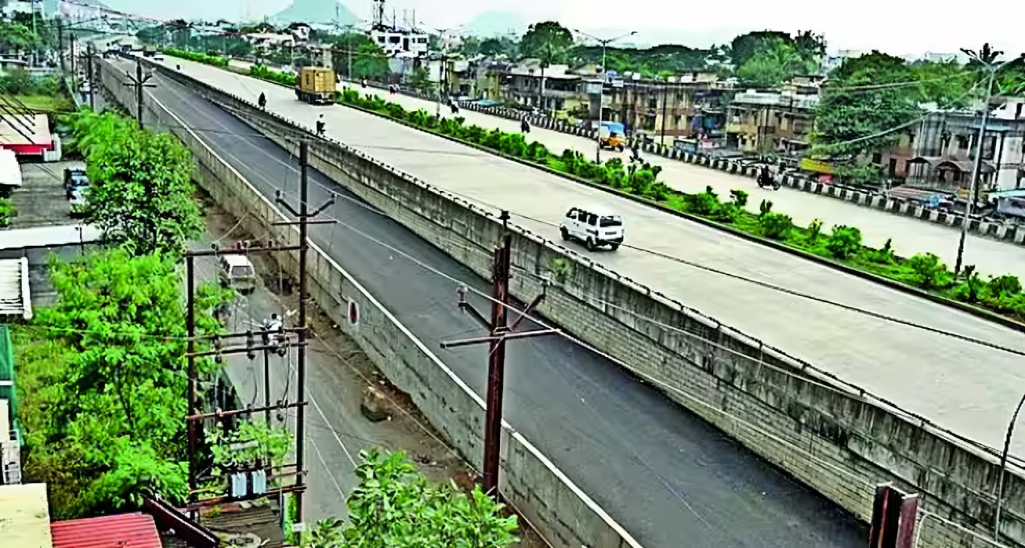
Architect Rahul Kadri argued that Mumbai’s planning priorities continue to favour vehicular infrastructure over ecology. “Our roads are optimized for cars only,” Kadri said. “There’s countless spots in the city where the road widens and narrows. A lot of times there is extra space on the side of roads which could be made into landscape spaces which will add tremendous greenery to the city.”
He also highlighted opportunities along locations such as Girgaon Chowpatty, where broad roads and underutilised edges could accommodate additional landscaping. Referring to planning concerns raised by architects, Kadri said, “We wrote to the authorities warning them about the harebrained proposal to convert Mahalaxmi Racecourse into a public park but they have different priorities I suppose.”
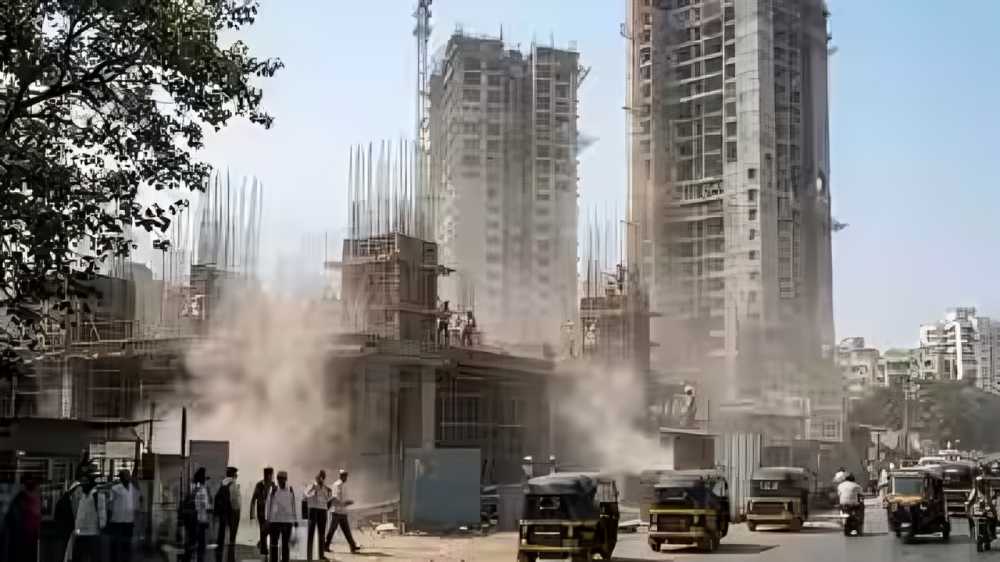
Environmental experts caution that while plantation drives are valuable, they cannot replace the ecological functions of mature trees. Deepti Talpade, Program Lead, Urban Development and Resilience at WRI India, said, “The city has seen sustained loss of nature driven by infrastructure expansion and redevelopment, which has made the impacts of this loss — urban heat, flooding and declining air quality — more tangible in everyday life.”
“Micro-forests and plantation drives cannot compensate for the loss of mature trees in ecological or climatic terms,” Talpade said. “Mature trees represent decades of biomass accumulation, root system development, soil conditioning and ecological relationships with surrounding flora and fauna.”
She further warned that greening drives should not be viewed as replacements for preservation. “There is a real risk of plantation drives being framed as compensatory measures that justify the removal of mature trees,” Talpade said.
“Citizen-led efforts are important but not sufficient on their own. Infrastructure planning needs to move beyond compensatory planting toward strategies that avoid tree loss wherever possible.”
Source: The Indian Express