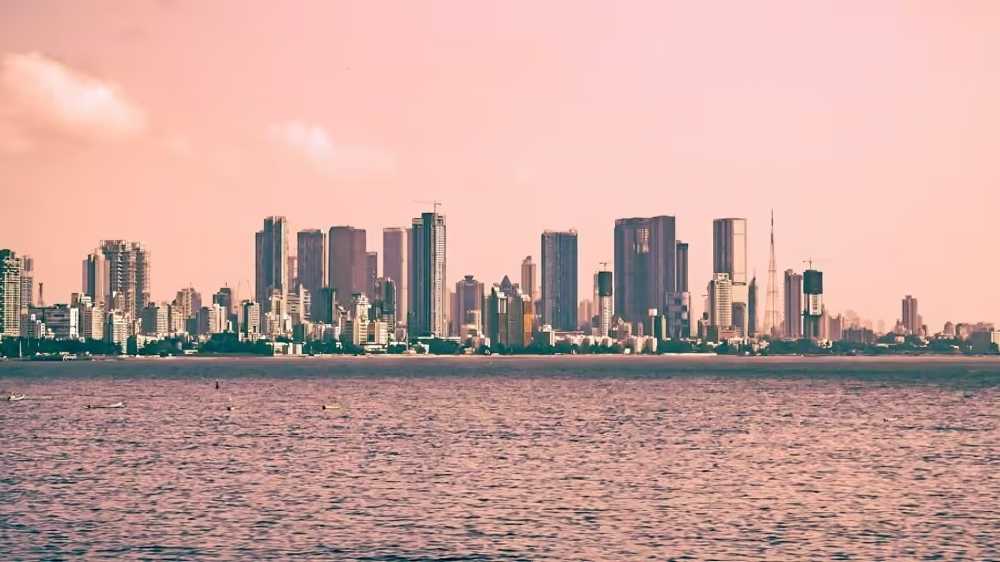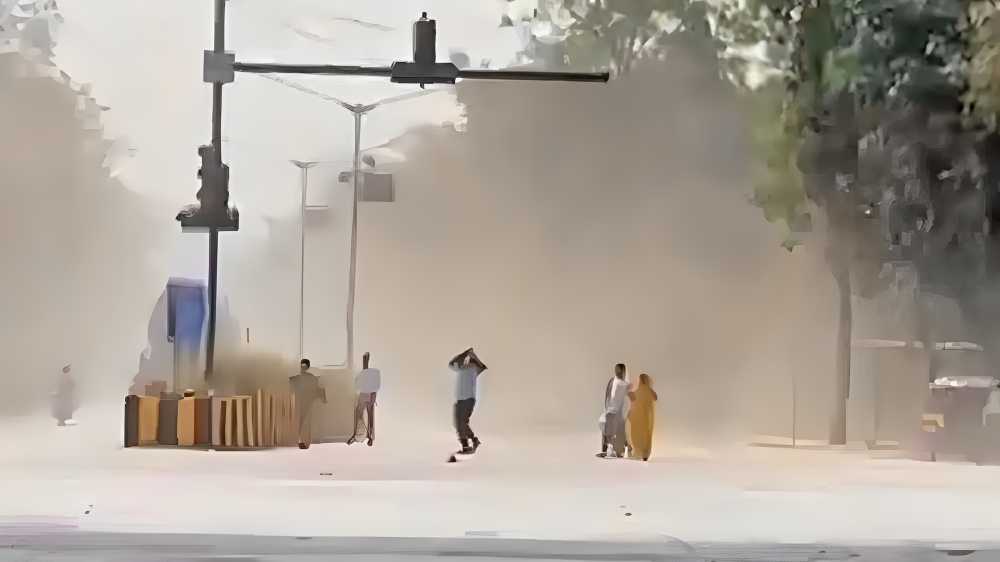

The handover of new homes to 537 families at the Dr Babasaheb Ambedkar BDD Complex in Naigaon marks another milestone in Mumbai’s largest chawl redevelopment project. At the same time, the recent demolition of historic structures such as Haji Noorani Chawl and Laxmi Niwas Chawl in Prabhadevi for the Sewri-Worli Elevated Corridor underscores a larger transformation unfolding across the city—one that is reshaping not only the urban landscape but also long-established community lifestyles.
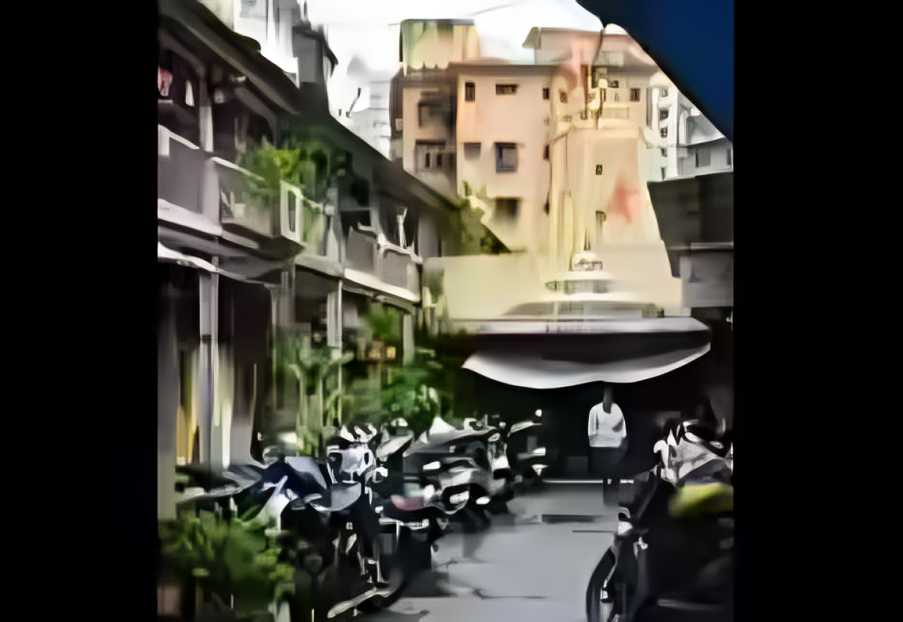
For generations, Mumbai’s chawls fostered a unique social fabric built around shared corridors, courtyards and common spaces. As residents move into self-contained apartments in high-rise towers, many urban planners and long-time residents are questioning what becomes of the close-knit culture commonly referred to as “chawl sanskruti”.
Architect Mihir Vaidya, who grew up in Girgaon’s historic Datta Mandir Wadi and has extensively studied chawl redevelopment, believes the shift extends beyond physical infrastructure. He notes that traditional chawl communities function through shared spaces that naturally encourage daily interactions and collective support systems.
“Demolition of such housing stock would mean fragmentation of a social security net. Trading shared resources for self-contained flats can break up informal support systems, micro-economies, and everyday interactions that have sustained communities for generations,” he adds.
Many of Mumbai’s historic chawls continue to retain strong social bonds despite ageing infrastructure. Residents often describe a culture where neighbours look after one another, children grow up in common spaces and community participation extends beyond family boundaries.
At the same time, redevelopment offers undeniable benefits, including improved housing conditions, ownership rights, private sanitation facilities and modern amenities. For residents such as Radhika Surve, who moved into a redeveloped high-rise after spending decades in a chawl, the transition has brought greater comfort while also changing everyday social interactions.
“In the chawl, I always cooked for more people than lived in my house,” Surve says with a laugh.
Experts suggest that while redevelopment is essential to improve living standards, preserving opportunities for community interaction remains equally important. As Mumbai continues to replace ageing chawls with vertical housing, the challenge lies in balancing modern urban development with the social cohesion that has long defined the city’s traditional neighbourhoods.
Source: The Times of India