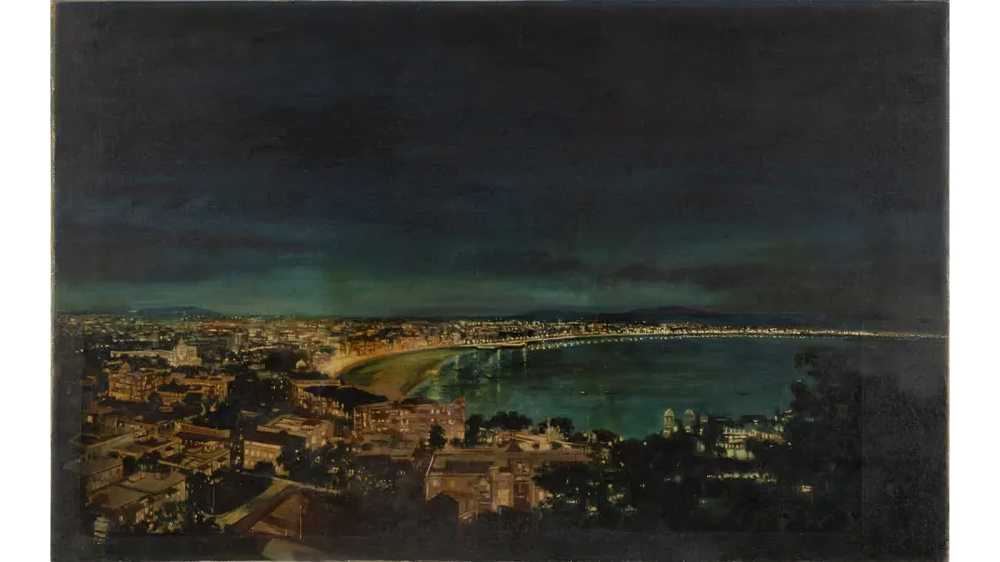

Mumbai’s story is not one of sudden transformation but of centuries of gradual reinvention. Once a cluster of seven islands inhabited by Koli fisherfolk, the city evolved into a fortified colonial port, then an industrial powerhouse, and today a sprawling metropolis of over 20 million people shaped by migration, capital, and culture.
A new exhibition titled “Bombay Framed” captures this layered evolution through more than 100 works spanning paintings, photographs, archival images and multimedia prints. The collection traces how the city has continuously reshaped itself, from fishing settlements and textile mills to glass towers and coastal expressways.
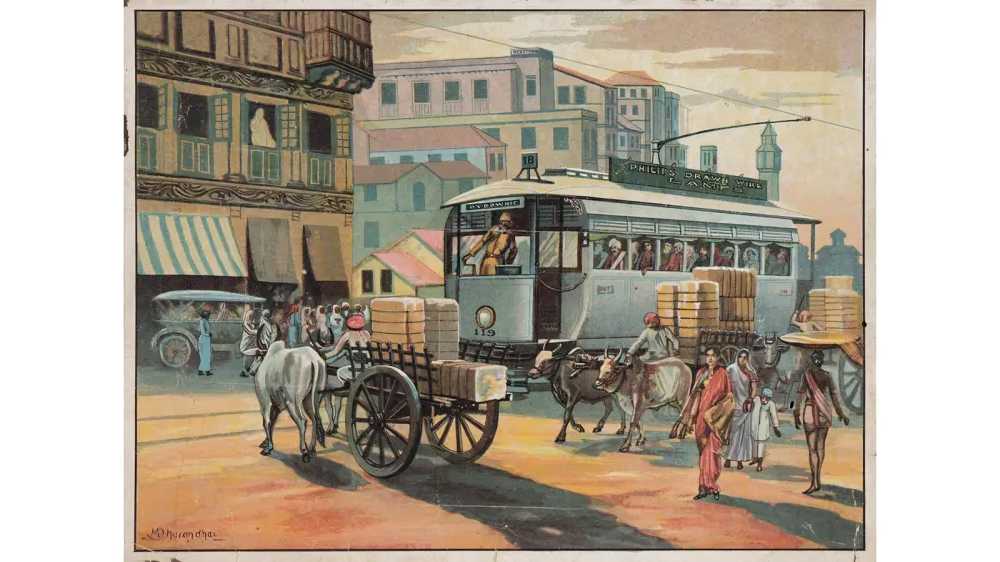
Curator Gyan Prakash, speaking about the exhibition organised by DAG art gallery, describes the city as a living composite of histories and identities. “Together they invite us to see the city itself as a kind of artwork: layered, complex and made up of many different experiences,” he said. He identifies key turning points in Bombay’s physical transformation, beginning in the 1830s and 1840s when land reclamation projects connected the islands into a unified landmass. This was followed by the demolition of the Fort walls in the 1860s, which opened space for colonial architecture and reshaped the city’s civic core.
The 1920s and 1930s brought another defining phase with the construction of Marine Drive and the rise of Art Deco architecture, marking a shift towards modern urban design. From the 2000s onwards, infrastructure projects such as sea links and coastal roads have again altered the city’s geography, prioritising connectivity and mobility in an increasingly dense urban environment.
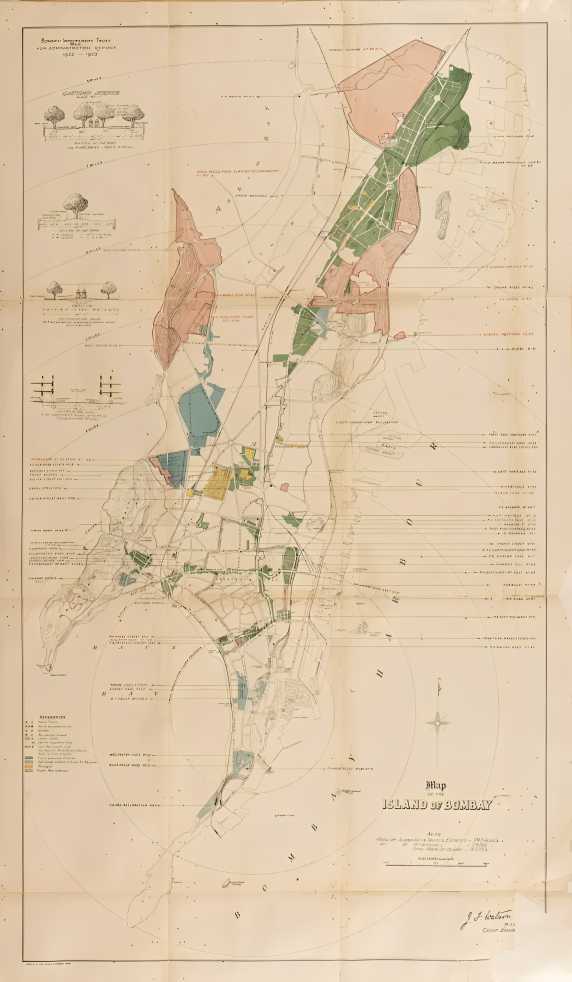
Across these phases, Bombay has remained a city of contrasts. Skyscrapers stand beside informal settlements, heritage buildings coexist with new commercial districts, and the sea continues to frame a rapidly changing skyline. The exhibition underscores this tension between permanence and transition, showing how the city is constantly negotiated rather than fixed.
Prakash notes that even early colonial imagery captured human presence as central to the city’s identity. “Even the early British picturesque views of the sea and boats include human figures, reminding us that the environment was always shaped by human activity,” he said.
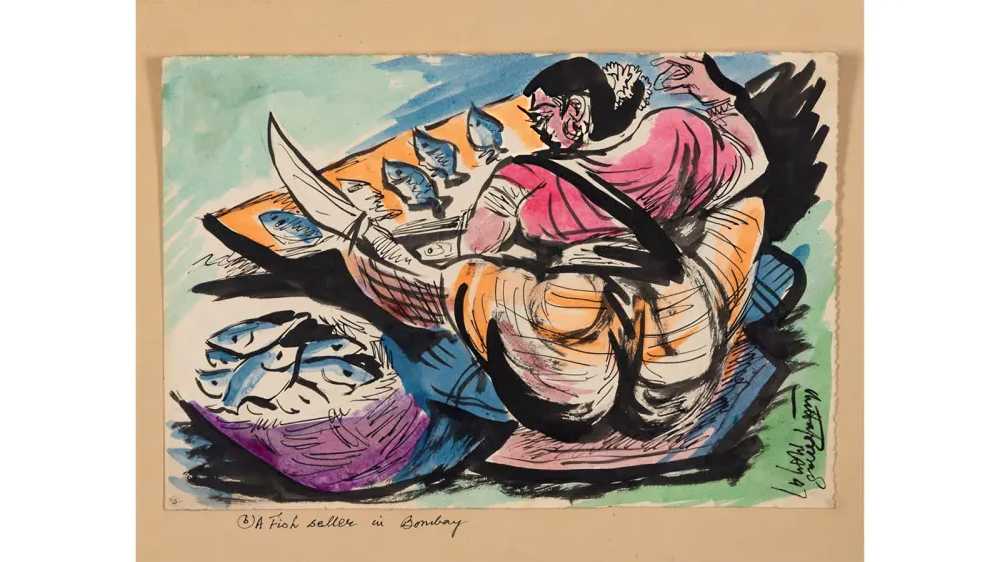
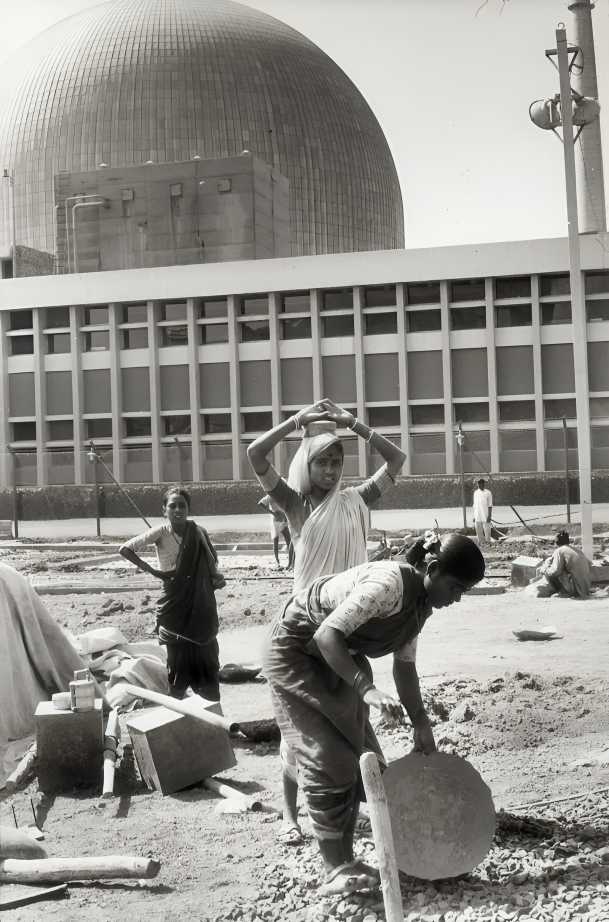
The exhibition also highlights the social diversity that built Bombay. From Parsi merchants and Maharashtrian elites to mill workers and migrant communities, the city’s development has been driven by multiple groups with differing aspirations and struggles. Portraits of affluent Parsi families reflect early 20th-century commercial networks, while works by socially conscious artists such as Chittaprosad document working-class realities with stark detail.
Cinema, too, emerges as a defining thread. Alongside vintage film posters from the 1950s and 1960s, the exhibition features studio portraits by JH Thakkar that helped shape the public image of stars such as Raj Kapoor, Nargis, Dev Anand, Meena Kumari and Dilip Kumar. These images reflect how cinema became both a product of the city and a force that defined its cultural imagination.
The city officially changed its name from Bombay to Mumbai in the mid-1990s, a move aimed at shedding colonial associations. Yet both names continue to coexist in public memory and usage. As Prakash observes, “For Marathi speakers, it was always Mumbai. I’m agnostic about the name, as are many people, which reflects the city’s long history of dual names and multiple perspectives. It really only becomes contentious when the issue is politicised.”
Ultimately, “Bombay Framed” presents the city not as a fixed entity, but as an ongoing narrative shaped by geography, power, people and time.
Source: BBC