


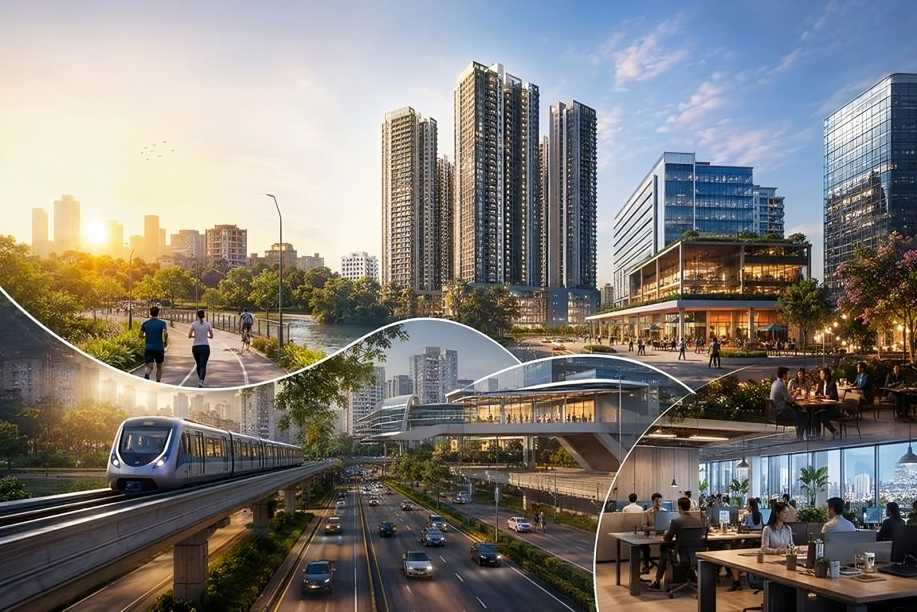

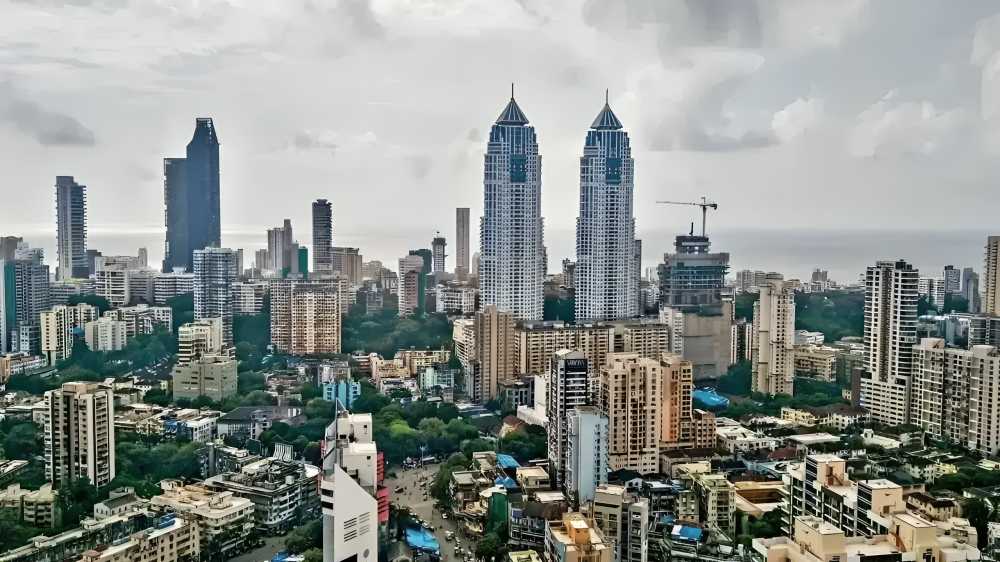
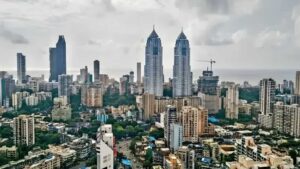
Mumbai has always evolved by making the most of its limited land. As one of the world’s most densely populated cities, its next phase of growth cannot be driven by outward expansion alone. Instead, it will increasingly depend on transforming its existing urban fabric into well-planned, modern neighborhoods. In this context, redevelopment, whether through ageing housing societies, Slum Rehabilitation Authority (SRA) projects or other urban renewal initiatives, is emerging as one of the most significant catalysts shaping Mumbai’s future.
The scale of this transformation is already becoming evident. According to a recent Knight Frank India report, more than 1,090 housing societies have entered redevelopment since 2020, collectively unlocking nearly 432 acres of land across Mumbai. By 2031, this pipeline alone is expected to deliver close to 59,000 new homes with an estimated market value of around Rs 1.5 lakh crore, underscoring the growing importance of redevelopment in addressing the city’s future housing needs.
While redevelopment is taking place across Mumbai, its momentum is particularly visible in the western suburbs. Localities such as Andheri, Jogeshwari, Goregaon, Malad, Kandivali and Borivali are witnessing a growing pipeline of redevelopment projects, driven by ageing residential buildings, large SRA clusters, strong infrastructure connectivity and well-established social infrastructure. In fact, suburban Mumbai accounts for the overwhelming majority of redevelopment activity. As Metro corridors, road networks and other infrastructure upgrades continue to improve accessibility, redevelopment is unlocking the latent potential of these mature neighborhoods and transforming them into vibrant residential destinations.
For decades, many of these locations remained underutilised despite occupying strategically valuable land. Today, redevelopment presents an opportunity to optimise land use by replacing ageing buildings and informal settlements with planned developments that offer modern housing, improved civic infrastructure and better urban planning. The benefits extend beyond individual projects. Wider roads, upgraded utilities, landscaped open spaces, enhanced public amenities, and more organised neighborhoods contribute to a higher quality of life for entire communities.
The impact extends well beyond the real estate sector. As major infrastructure projects such as the Metro network, the Coastal Road, the Goregaon-Mulund Link Road and other connectivity initiatives reshape Mumbai’s urban landscape, redevelopment ensures that the surrounding precincts evolve alongside them. This integrated approach enables the city to maximise the value of public infrastructure investments while promoting more balanced, sustainable, and efficient urban growth.
Redevelopment also creates much-needed housing supply within established neighborhoods where Greenfield land is virtually unavailable. Instead of pushing development further towards the city’s periphery, it allows Mumbai to accommodate future population growth within locations that already benefit from established social infrastructure like schools, hospitals, commercial centers, and public transport.
Equally significant is redevelopment’s economic contribution. Redevelopment projects generate large-scale employment across construction, engineering, architecture, project management and allied industries, while attracting sustained private investment into ageing urban precincts.
Mumbai’s future will not be defined solely by landmark infrastructure projects or iconic skyscrapers. It will be shaped by how effectively the city reinvents its existing neighborhoods. With more than 1,000 redevelopment projects already underway and a pipeline capable of delivering tens of thousands of new homes over the coming years, redevelopment is no longer simply a real estate activity; it is emerging as one of Mumbai’s most important urban development strategies. As both housing society redevelopment and SRA-led projects gather pace, they will play a defining role in creating a more resilient, inclusive and future-ready city.
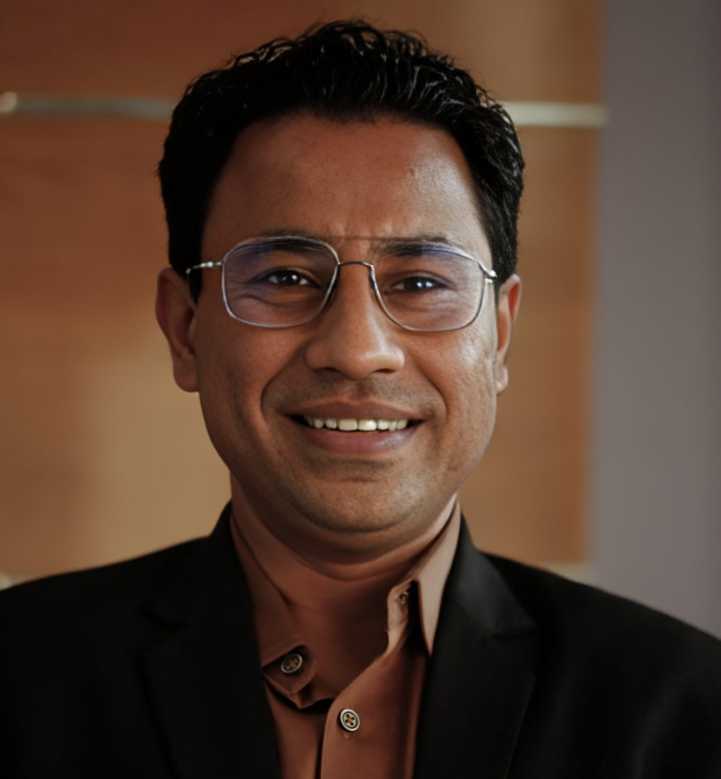
- The author of the article is the CEO & Managing Director of Lashkaria Group


3 Responses
Amazing contribution by The Lashkaria group.
The fresh and innovative management of Arshad Lashkaria the CEO is very commendable and promising.
I personally wish The Lashkaria group, great success in the furthet development of Mumbai.
Very proud of you Archie!!
Keep up the great work.
Dear Mr. Arshad Lashkaria,
Congratulations on an exceptionally well-written and insightful article. Your analysis is thorough, balanced, and thought-provoking, reflecting a deep understanding of the subject. The clarity with which you’ve presented complex real estate dynamics makes the piece both engaging and valuable for readers.
Thank you for sharing such an excellent write-up. I look forward to reading more of your work in the future.
Best wishes!
Yes, true future