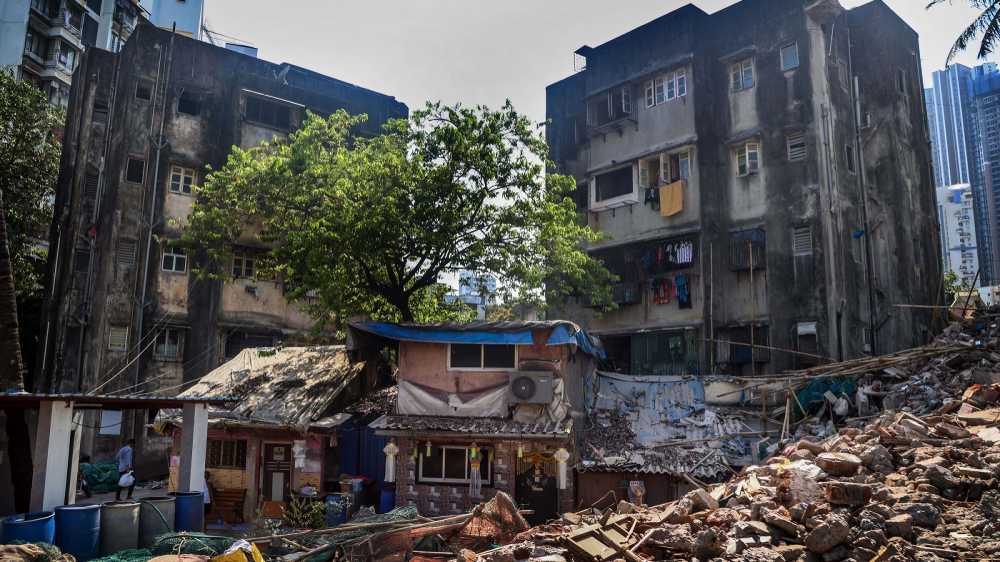

Mumbai’s ageing cessed housing crisis is no longer just a legacy urban problem, but an ongoing test of how the city manages risk, redevelopment and resident security at a time when structural safety and legal uncertainty continue to collide.
Every monsoon, this contradiction becomes visible again across older neighbourhoods of the city. Buildings officially marked as unsafe remain occupied despite repeated warnings and survey reports. Around 4 lakh tenants are estimated to be living in nearly 13,000 cessed buildings across Mumbai, many of which are over 60 to 100 years old. In the current assessment cycle, more than 80 buildings have been classified as highly dangerous, while nearly 935 cessed structures have received warning notices over the past three years.
In places like Mazgaon’s Hathi Baug, the dilemma becomes deeply personal. Families living in compact 100 to 120 sq ft rooms, often across multiple generations, are told their buildings are beyond repair and must be vacated. Yet many continue to stay. The reason is not ignorance of risk but concern over losing long-held tenancy rights and uncertainty over when, or if, they will return.
This tension sits at the centre of Mumbai’s redevelopment gridlock. A legal framework introduced to enable tenant-led redevelopment where landlords fail to act was expected to accelerate renewal. Instead, litigation and procedural challenges have left an estimated 500-plus redevelopment proposals delayed or stalled at various stages.
At the ground level, this has created a parallel crisis. Projects that were once approved have slowed due to developer inactivity, expired permissions or funding constraints. In many cases, redevelopment timelines originally projected at three (3) to five (5) years have stretched beyond seven (7) to ten (10) years, prolonging uncertainty for residents awaiting safer homes.
Looking ahead, Mumbai’s challenge is not merely identifying unsafe buildings but converting risk assessments into action. The current pace of redevelopment, often estimated at only a few hundred buildings annually, remains inadequate relative to the scale of the backlog. At existing rates, addressing the city’s ageing cessed building stock could take decades.
The future direction will depend heavily on whether Mumbai can move from isolated redevelopment projects to larger cluster-based models. Recent cluster proposals in South Mumbai alone involve hundreds of ageing structures and thousands of residents, underscoring the scale required to make a meaningful impact.
Equally important is strengthening rehabilitation systems. In several redevelopment projects, families spend four (4) to eight (8) years in transit accommodation or rented homes before receiving possession. Limited transit housing and inconsistent rental support continue to reduce resident confidence in the process.
If these structural gaps persist, Mumbai risks remaining trapped in a cycle where warnings increase but outcomes do not. The coming years will determine whether the city’s cessed housing story becomes one of renewal, or one where safety is acknowledged but continually deferred.