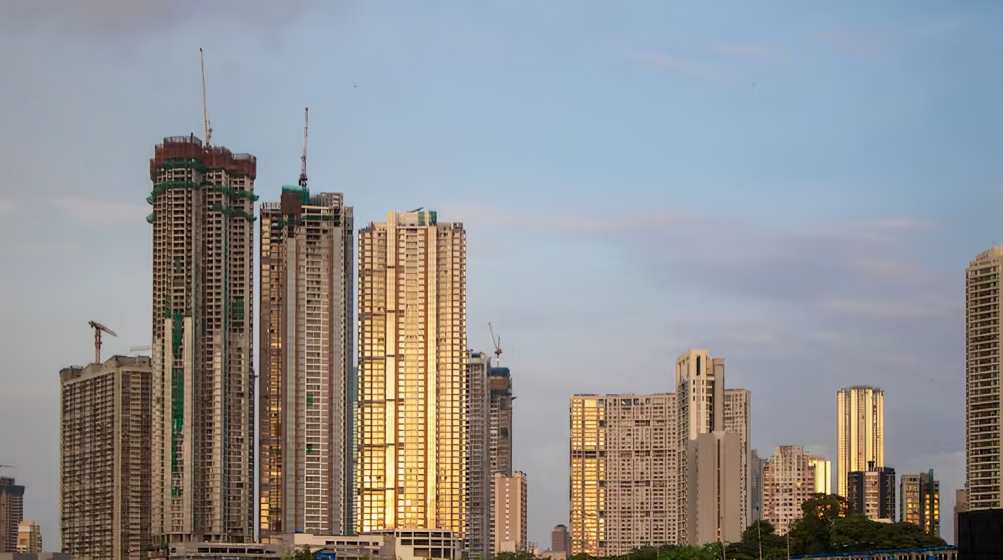
The phased rollout of Mumbai Metro Line 3 is beginning to influence commercial real estate activity across the BKC-Kalina corridor, with brokers reporting increased office space enquiries, site visits, and leasing discussions. The underground metro line, which will connect south Mumbai with the western suburbs, is expected to improve accessibility to Bandra-Kurla Complex (BKC). Industry stakeholders say the prospect of full integration is prompting occupiers to explore nearby micro-markets as alternatives to premium BKC locations.
Highlighting the growing importance of transit connectivity in office location decisions, Sukhraj Nahar, President of CREDAI-MCHI, said, “The anticipated full integration of Metro Line 3 is already influencing occupier sentiment across commercial real estate. Improved connectivity has become a decisive factor for businesses evaluating office locations, and we are witnessing stronger enquiry levels, faster leasing conversations, and greater confidence in long-term location strategies. Enhanced accessibility reduces commute uncertainty and expands the available talent catchment, making office assets more attractive to both occupiers and investors.”
Market consultants note that occupiers are increasingly prioritising transit-linked locations as employee accessibility becomes a critical factor in real estate decisions. Mumbai’s office market leased nearly 2.9 million sq ft of space in the first quarter of 2025 alone, representing a 63% year-on-year (YoY) increase, with the BFSI sector accounting for more than half of total absorption. Analysts believe Metro 3 could further strengthen demand for emerging office corridors that offer proximity to BKC at comparatively competitive rental levels.
“Locations around BKC–Kalina are increasingly being viewed as compelling alternatives to traditional premium office districts. While BKC remains a flagship business destination, improved metro connectivity can help adjacent micro-markets deliver comparable accessibility with potentially better value economics. Over time, this may encourage a more distributed office ecosystem, creating balanced demand across the wider Mumbai commercial market rather than concentrating activity in a few established nodes, he added.”
According to industry reports, Mumbai continues to be one of India’s strongest office markets. The city recorded approximately 9.8 million sq ft of office leasing in 2025, making it the second-highest annual absorption level in more than a decade, driven by demand from BFSI firms, technology companies, and Global Capability Centres (GCCs). Average transacted office rents across key commercial districts also increased by around 6% YoY, reflecting sustained occupier demand for quality assets.
“We have seen a distinct uptick in enquiries and site visits across Kalina, Vakola and the wider BKC influence zone since Metro 3 became a tangible reality rather than a future promise. Compared to the pre-Metro period, occupiers are displaying greater confidence in evaluating these micro-markets for long-term office requirements. Connectivity is now one of the top parameters in location selection, and we expect this to support sustained absorption and gradual rental appreciation over the next 12 to 24 months, particularly for well-managed Grade A assets,” said Sandeep Mehra, Director of Corporate Leasing at Horizon Realtors Consultants.
Mumbai remained one of India’s strongest office markets in 2025, supported by demand from financial services firms, technology companies and flexible workspace operators. Analysts believe improved transit infrastructure could further expand commercial activity into emerging business districts. Nationally, the office sector recorded 61.4 million sq ft of net absorption in 2025, up 25% YoY, while gross leasing exceeded 83 million sq ft, reflecting continued demand from GCCs and corporate occupiers.
“Transport infrastructure often acts as the foundation upon which commercial ecosystems evolve. Metro 3 has the potential to strengthen the BKC-Kalina corridor as a broader employment and mixed-use district rather than a standalone office destination. Beyond property value gains, improved connectivity can stimulate retail activity, support higher workforce participation, encourage mixed-use development, and reduce pressure on a handful of established business centres. Over the long term, this could contribute to a more decentralised and resilient urban economy for Mumbai,” said Shirish Patel, Urban Planning Consultant.
While enquiries have increased across the BKC-Kalina corridor, the long-term impact of Metro 3 will be assessed through actual leasing activity and occupancy growth. Industry stakeholders will closely track whether improved connectivity translates into sustained demand and stronger commercial performance in the coming years.