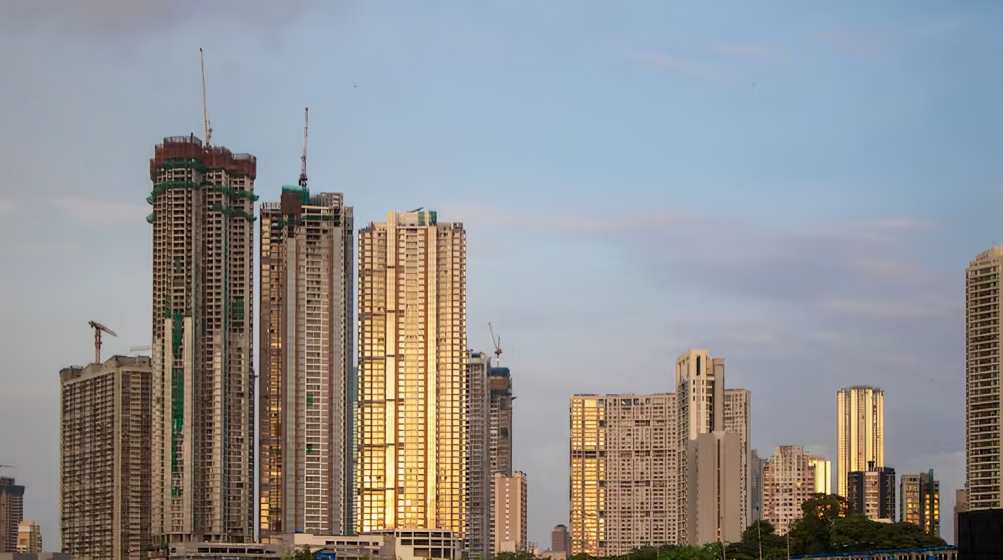

Driven by a massive Rs 66,600 crore infrastructure boom and rising demand for luxury coastal living, the Alibaug-Mandwa corridor has emerged as one of the most high-potential real estate markets in the Mumbai Metropolitan Region. Consequently, local landowners and early investors are strategically retaining their prime parcels, creating a strong seller’s market as they hold out for peak valuations.
“The cautious stance adopted by landowners along the Alibaug-Mandwa corridor is a natural response to the region’s evolving infrastructure landscape,” said Nihar Jayesh Thakkar, Founder of The Mandate House Private Limited. “Historically, major connectivity projects have had a significant impact on land values, and stakeholders are increasingly factoring future accessibility into their pricing expectations. Many landowners believe that current valuations may not fully reflect the corridor’s medium- to long-term potential.”
This value preservation strategy is tightly supported by strong regulatory and market fundamentals. Strict Coastal Regulation Zone (CRZ) rules keep the inventory of legally developable coastal land highly exclusive. Furthermore, agricultural land requires a complex conversion to Non-Agricultural (NA) status before construction can begin. Plots with NA and CIDCO approvals already command a 20 to 40% premium, heavily incentivising current owners to hold onto their assets.
At the same time, buyer preferences are maturing. Demand has shifted away from basic holiday homes toward low-density, professionally managed luxury gated communities. Because national developers require large, clear-title parcels to execute these premium projects, local landowners find themselves holding significant pricing power.
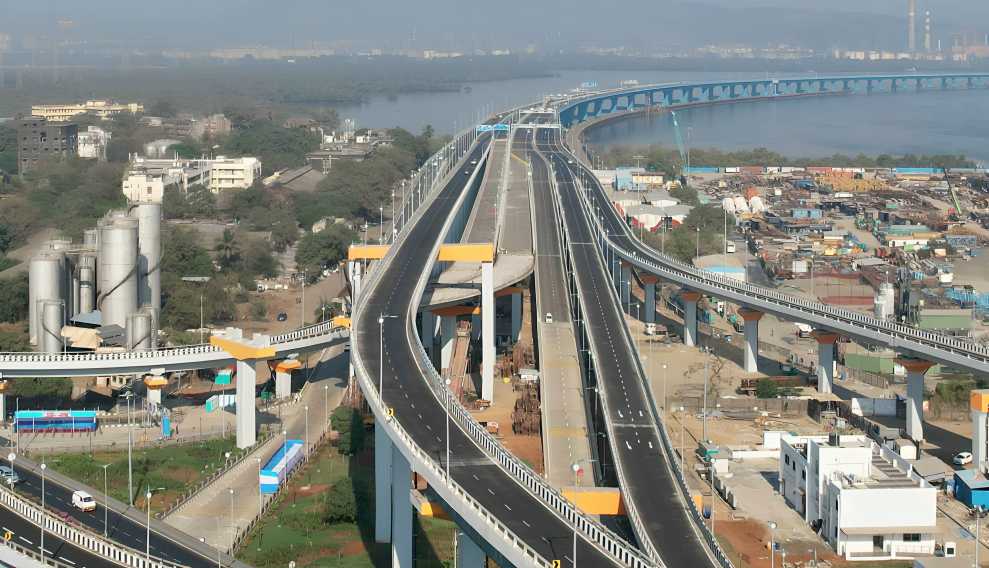
The primary catalyst for this restricted supply is the unprecedented scale of capital transforming regional accessibility. The success of the Ro-Ro ferry service from the Gateway of India to Mandwa has already turned Alibaug into a viable semi-permanent residence, cutting travel time to just 45 minutes. Complementing this, the operational Mumbai Trans Harbour Link (MTHL) and continuous upgrades to the Mumbai-Goa highway have sharply reduced road travel friction, fundamentally altering the region’s long-term economic outlook.
According to Thakkar, this shift in connectivity expands the buyer catchment and strengthens demand fundamentals over time. “Alibaug has steadily transitioned from being a second-home market to a more diversified real estate micro-market attracting lifestyle buyers, hospitality investors and long-term capital allocators,” he noted, adding that the current reluctance to bring inventory to market reflects growing confidence in the destination’s future rather than speculative sentiment alone.
With high demand meeting this highly curated supply, aggressive price appreciation is already locked in. Real estate estimates project land values could grow three to three-and-a-half times over the next five to six years. Currently, prime NA plots in Mandwa range from Rs 80 lakh to Rs 1.3 crore per guntha. In the residential segment, average carpet area rates for luxury villas have surged past Rs 15,550 per sq ft, while apartment rates have climbed to an average of Rs 8,450 per sq ft.
This optimistic outlook is validated by the aggressive entry of Tier-1 national developers. Oberoi Realty recently acquired 81 acres in Alibaug for a luxury hotel and branded villas, while Emaar India announced plans to build 84 luxury villas across 25 acres, with units priced between Rs 9 crore and Rs 15 crore each.
However, some industry players warn that holding onto land too long could backfire if development stalls.
“The Alibaug-Mandwa corridor is a classic example of the well-known dynamic of infrastructure premium anticipation,” said Anil Pharande, Chairman of Pharande Spaces. “Basically, landowners are deliberately holding out on deals in the hope of valuations exploding after the connectivity upgrades. Taking a wait-and-see approach is understandable, but too much supply suppression can stall actual development momentum. Landowners must temper their optimism with realistic timelines to avoid liquidity traps.”
This gap between rising expectations and development practicalities is already forcing a structural shift in how land deals are negotiated on the ground.
“We are currently seeing a clear disconnect between developer acquisition budgets and landowner expectations,” said Vivek More, Chief Sales Officer, Khabiya Group. “Because outright land purchases have become extremely expensive upfront, developers are increasingly pushing for Joint Development Agreements to share the risk, while owners prefer to wait out the infrastructure completion to command a massive outright premium.”
As these mega-projects edge closer to their completion dates, the Alibaug-Mandwa property market is poised for a critical phase of recalibration. While holding onto quality assets remains a highly profitable strategy today, the ultimate success of this approach will depend heavily on the actual pace of project execution, regulatory clarity, and sustained end-user demand in the years to come.