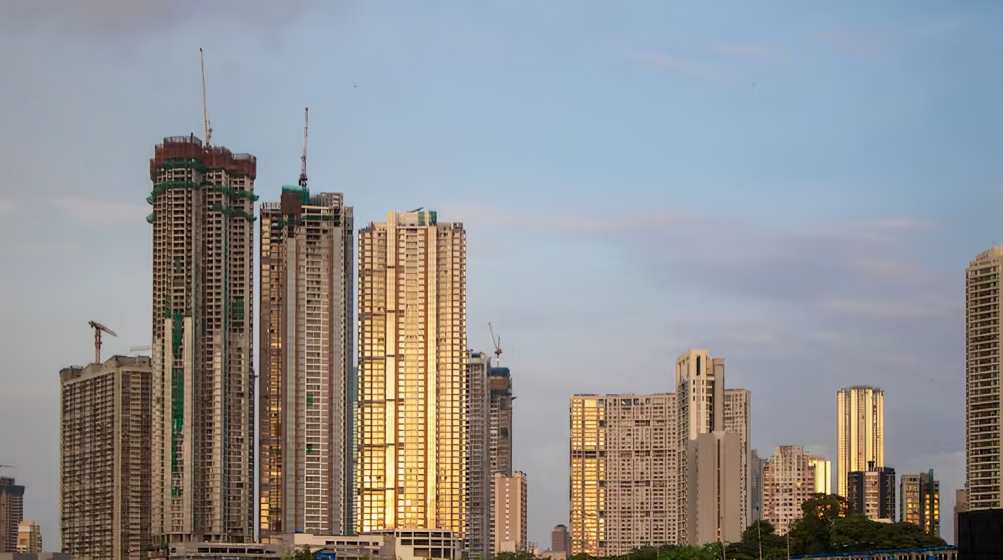

Mumbai’s redevelopment sector has started 2026 on a strong note, with close to 70 developer agreements signed between January and mid-March, highlighting sustained momentum in the city’s housing renewal market despite a challenging operating environment.
The agreements, covering around 52.2 acres of land, account for more than 30% of the total redevelopment deals recorded individually in both 2024 and 2025. If the current pace continues, redevelopment activity this year could surpass the levels seen over the previous two years. In comparison, 196 housing societies covering 101.3 acres entered redevelopment in 2024, while 229 societies spanning 104.8 acres were redeveloped in 2025.
The latest figures take the cumulative number of societies under active redevelopment in Mumbai to 1,094 since 2020, unlocking nearly 432 acres of land. Industry estimates suggest the city’s redevelopment pipeline could generate around 59,000 new homes valued at approximately Rs 1.5 lakh crore by 2031, reinforcing redevelopment as a critical source of future housing supply in a land-constrained market.
Suburban locations continue to dominate redevelopment activity, accounting for nearly 95% of ongoing projects. The western suburbs remain the most active zone with 773 societies under redevelopment, followed by the central suburbs with 261 projects. Borivali leads the list with 220 redevelopment projects, ahead of Andheri with 115 and Bandra with 75. Together, these three micro-markets account for more than 139 acres of redevelopment activity.
The nature of redevelopment is also evolving. Larger land parcels exceeding 10,000 square metres now represent over half of the redevelopment area in 2026, reflecting a shift from individual society projects to cluster-based redevelopment. Regulatory incentives under the Development Control and Promotion Regulations (DCPR) 2034, including higher Floor Space Index (FSI) allowances, have encouraged this transition.
Meanwhile, self-redevelopment is gaining traction among housing societies, while redevelopment-related displacement is contributing to rental demand, accounting for nearly 8% of Mumbai’s rental market as of March 2026.
With around 1.6 lakh buildings in Mumbai more than 30 years old and identified for structural audits, redevelopment is expected to remain a key driver of housing supply, urban renewal and government revenue generation in the years ahead.
Source: Prop News Time