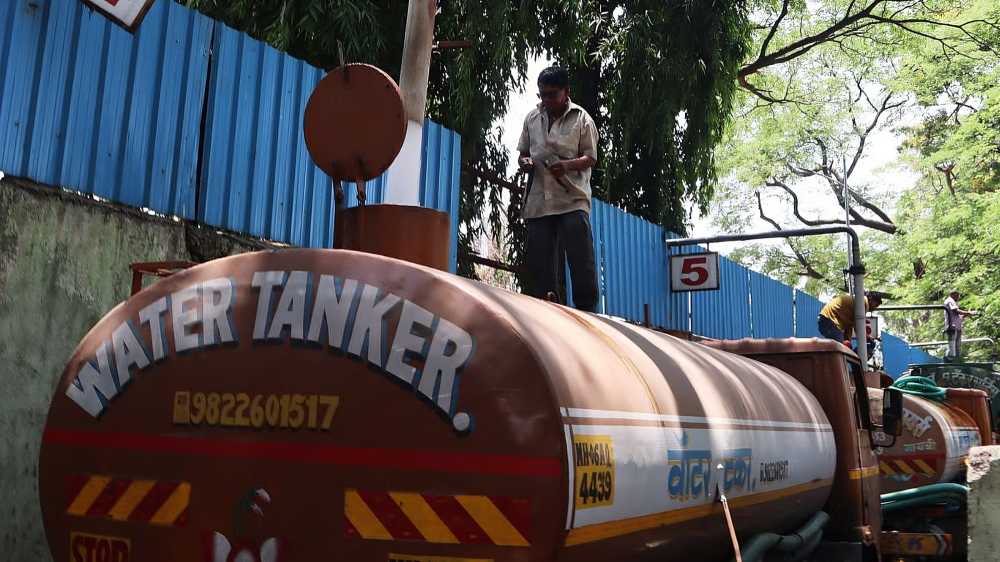

Mumbai’s ongoing water shortage, aggravated by a delayed monsoon, has once again brought attention to the city’s long-pending water infrastructure projects. With reservoir levels falling sharply and civic authorities imposing restrictions on water usage, experts say the crisis highlights the consequences of more than a decade without any major expansion of Mumbai’s water storage network.
The southwest monsoon, which normally reaches Mumbai by June 11, has been delayed this year due to adverse weather conditions, according to the India Meteorological Department (IMD). As a result, water levels across the city’s seven reservoirs dropped to between 9.33% and 10.01% of total useful storage capacity by June 17, compared with 12.27% during the same period last year.
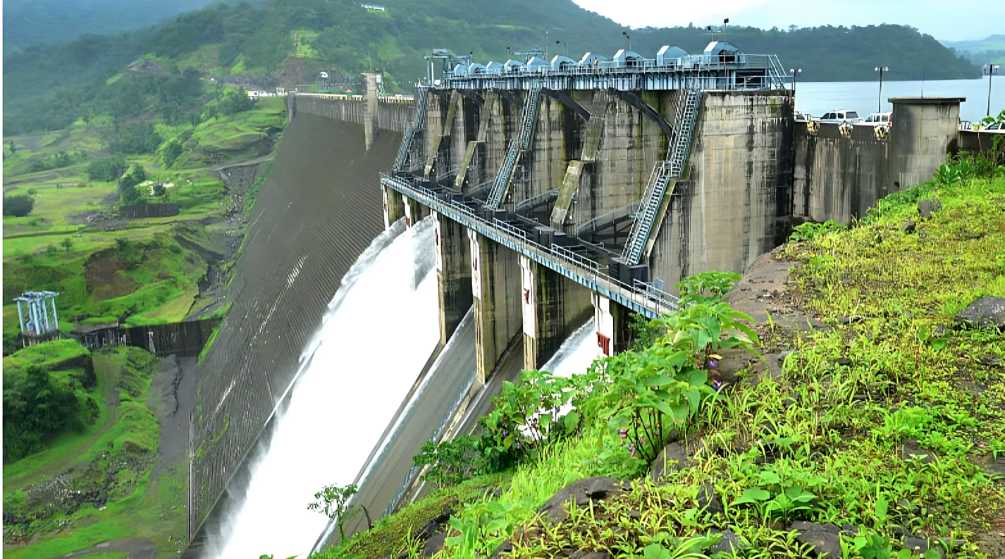
While the delayed rains have intensified the situation, the underlying challenge stems from a widening gap between water demand and supply. The Middle Vaitarna Dam, commissioned in 2014, remains the last major water supply project completed for Mumbai. Since then, no new dam has been added to the city’s water infrastructure despite rapid population growth across Mumbai and the Mumbai Metropolitan Region (MMR).
Mumbai currently receives most of its water from seven reservoirs, with nearly 97% supplied by the Bhatsa, Modak Sagar, Tansa, Middle Vaitarna and Upper Vaitarna systems located outside city limits. Under normal conditions, the Brihanmumbai Municipal Corporation (BMC) supplies around 3,850–4,100 million litres per day (MLD), though recent restrictions have reduced this to about 3,650 MLD.
To address future demand, the BMC is moving ahead with the long-delayed Gargai Dam project in Palghar district. Designed to add 440 MLD to Mumbai’s supply network, the project is scheduled to begin construction in October 2026 and is expected to become operational by 2029. However, the project has faced years of delays due to environmental clearances, wildlife concerns and inter-governmental approvals. Its estimated cost has also risen from Rs 3,006 crore to Rs 5,396 crore.
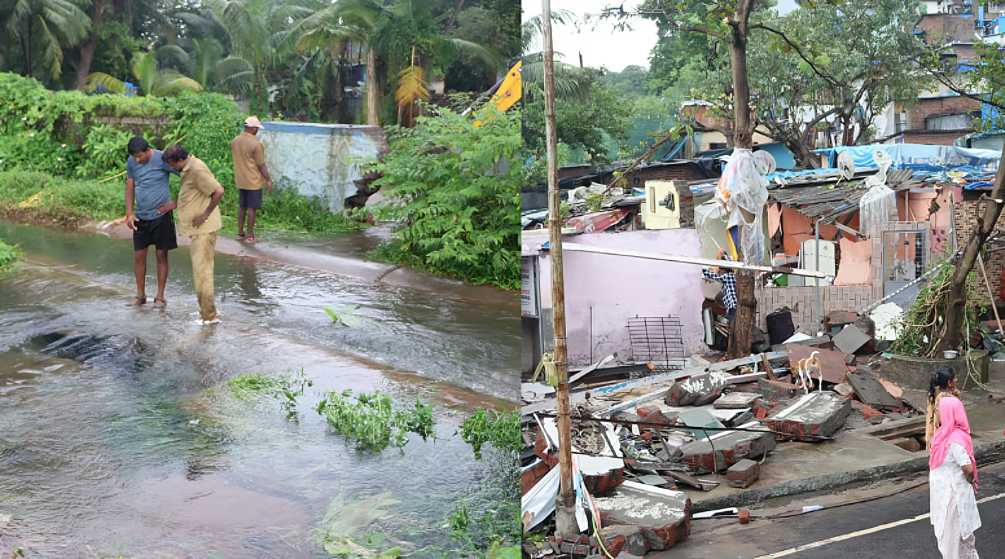
Beyond Gargai, the civic body is also planning additional supply projects, including the Pinjal Dam and the Damanganga-Pinjal River Link Project. Together, these schemes are expected to add nearly 2,891 MLD to Mumbai’s future water network and strengthen long-term water security.
The crisis is further compounded by inefficiencies within the existing system. Nearly 34% of Mumbai’s water supply, equivalent to about 1,343 MLD, is classified as Non-Revenue Water (NRW), which is lost through leakages, theft and distribution inefficiencies.
With Mumbai’s population continuing to grow and climate patterns becoming increasingly unpredictable, urban planners and infrastructure experts argue that the city can no longer rely solely on existing reservoirs. They emphasise that accelerating new water projects, reducing transmission losses and improving conservation measures will be critical to ensuring long-term water security for India’s financial capital.
Source: The Free Press Journal