
Mumbai’s increasingly liberal redevelopment policies could dramatically alter the character of its neighbourhoods, leading to overcrowding, traffic congestion and excessive urban density, according to architect and urban designer Samir D’Monte.
Speaking at a public presentation held at the Bandra Gymkhana on Saturday, D’Monte outlined how successive increases in permissible Floor Space Index (FSI) have transformed residential areas over the decades and warned that the city’s latest planning regulations could intensify these pressures.
Using a hypothetical example from Bandra (West), he illustrated how urban density has risen sharply over time. In the 1950s, a typical street with 10 plots and 10 individual houses accommodated around 50 residents and only a handful of vehicles. By the 1990s, higher FSI norms had enabled the construction of apartment buildings, increasing the number of homes to about 200, with nearly 800 residents and around 150 cars.
According to D’Monte, the impact of the current Development Control and Promotion Regulations (DCPR) 2034 could be even more dramatic. He projected that by 2040, the same street could accommodate around 300 apartments, housing approximately 1,350 people and generating demand for nearly 450 vehicles.
“Now, what happens when every single street in Mumbai undergoes this transformation?” he wondered.
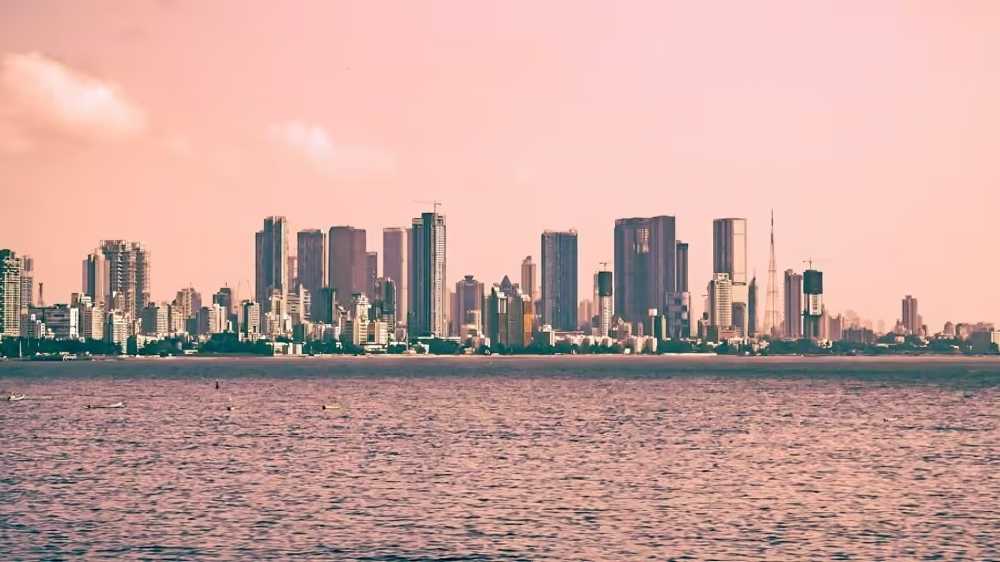
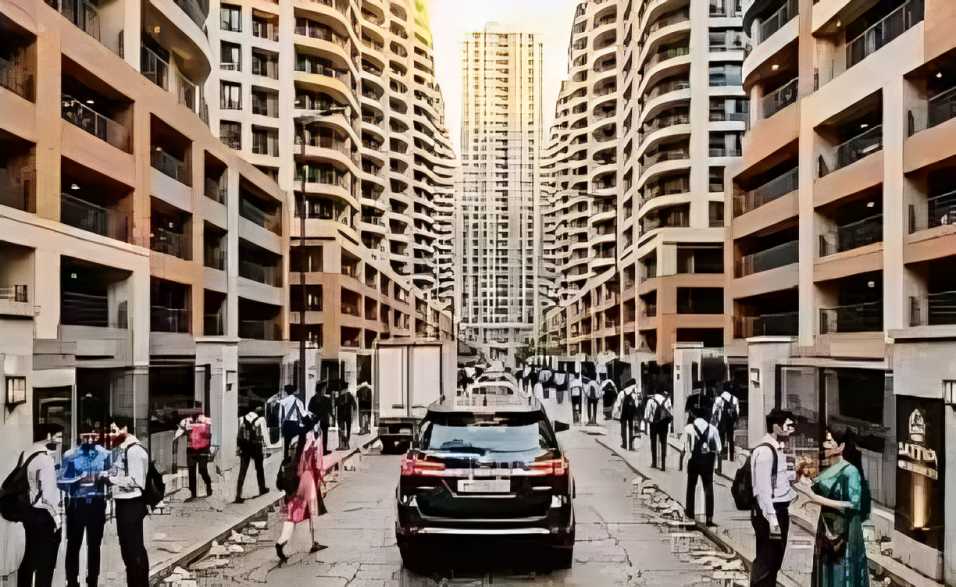
His remarks come at a time when redevelopment activity is accelerating across Mumbai’s western suburbs, particularly in Bandra (West), one of the city’s most expensive residential markets. Encouraged by relaxed construction norms and higher development potential, builders are increasingly replacing old bungalows and low-rise structures with luxury residential towers.
Prominent neighbourhoods such as Turner Road, Perry Road, Carter Road and Pali Hill are witnessing a surge in high-rise developments, with several new towers rising 18 to 20 storeys above streets once known for their low-density character.
The redevelopment trend has found support among multiple stakeholders. Developers benefit from enhanced project viability, architects gain opportunities to design larger projects, and residents often receive bigger apartments in redeveloped buildings. Meanwhile, the state government and the Brihanmumbai Municipal Corporation (BMC) continue to earn substantial revenues through premiums and development charges associated with redevelopment projects.
However, urban planners such as D’Monte argue that unchecked densification without corresponding upgrades to roads, infrastructure and public amenities could fundamentally reshape Mumbai’s urban landscape, raising questions about the city’s long-term sustainability.
Source: The Times of India