
Mumbai’s real estate sector is not expecting any major disruption from the Brihanmumbai Municipal Corporation’s (BMC) recent water restrictions, but developers and experts caution that prolonged curbs could eventually increase project costs and affect construction timelines.
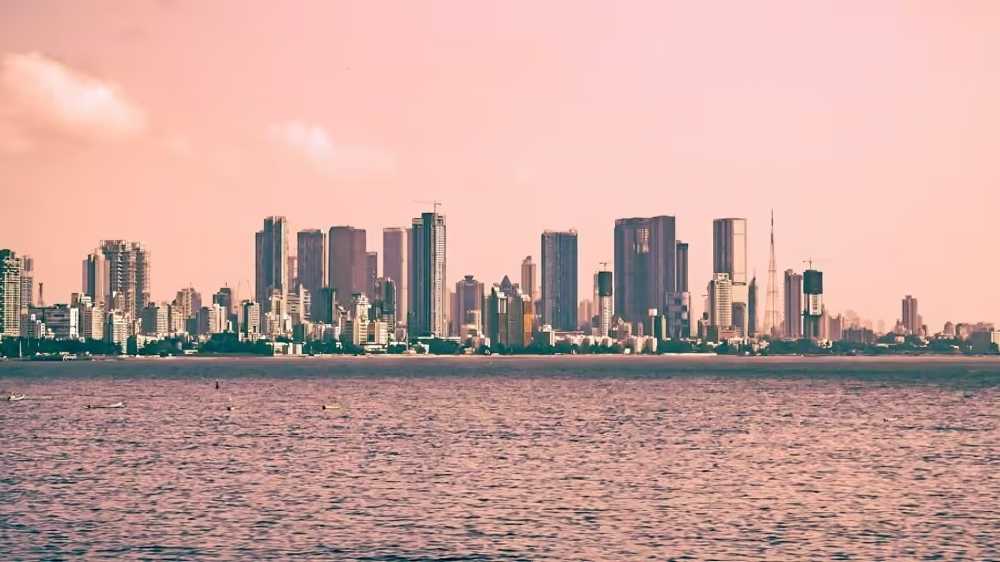
The issue has once again highlighted one of Mumbai’s most persistent urban challenges—water security. While soaring property prices, redevelopment projects, and rapid urbanisation continue to reshape the city, the availability of reliable water resources is emerging as a critical factor that could influence future growth.
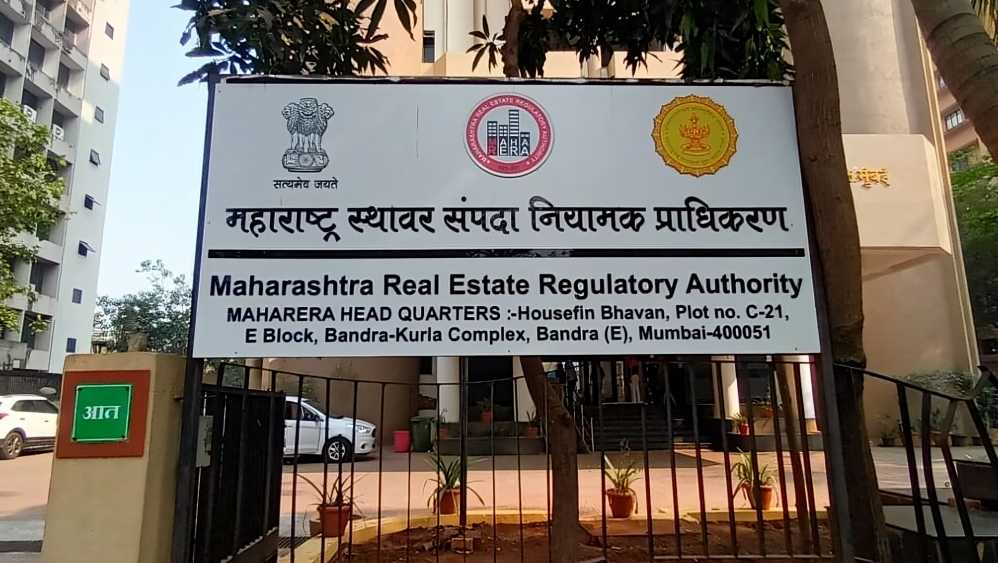
The BMC recently imposed a 10% water cut after reservoir levels fell below desired levels following a delayed monsoon. The civic body later extended restrictions on several non-essential uses, including construction-related activities, raising concerns about possible delays in project execution and housing delivery schedules.
However, developers say most construction projects today do not depend heavily on municipal drinking water. Instead, they rely on treated sewage water, recycled water and tanker supplies sourced through authorised vendors, including groundwater sources. This has helped insulate ongoing construction activity from immediate impacts.
“The BMC’s current restrictions on water usage could pose challenges for the real estate sector, particularly amid the pace of ongoing construction activity. Critical processes such as concrete curing, landscaping, and other construction operations require a consistent water supply, and any prolonged disruption could impact project timelines,” said Amit Jain, chairman and managing director, Arkade Developers.
“That said, many developers have contingency measures in place, including the use of recycled water, water-efficient construction practices, and procurement from authorised alternative sources to minimise the impact of such restrictions. In the short term, the industry is not expected to face significant challenges. However, if the restrictions continue for an extended period, they could have implications for both project costs and delivery timelines,” Jain added.
Anuj Mehta, Director, Dhuleva Group, echoed similar views. “Water is one of the most essential resources for any city, supporting both daily life and ongoing development. While established developers are generally equipped with contingency measures, including recycled water systems and alternative sourcing arrangements, prolonged restrictions could result in incremental cost pressures and some moderation in execution velocity,” he said.
“Given the scale and sophistication of Mumbai’s development pipeline, the impact is expected to remain manageable in the immediate term and is unlikely to materially disrupt overall construction momentum,” Mehta added.
The concerns stem from declining water reserves across Mumbai’s seven reservoirs—Bhatsa, Upper Vaitarna, Middle Vaitarna, Modak Sagar, Tansa, Vihar and Tulsi—which collectively supply around 3,800 million litres of water per day to a population exceeding 12 million. As of June 19, water stock stood at 9.34% of total capacity, compared with more than 13% during the same period last year.
Municipal Commissioner Ashwini Bhide recently stated that the city has sufficient drinking water reserves until August 17. She also noted that the impact on construction activity is expected to remain limited because developers are not significantly dependent on municipal water supplies.
Water experts, meanwhile, believe the current situation underlines the need for stronger infrastructure planning. Madhav Chitale, a water resources expert and former chair of Greater Mumbai’s Action Plan committee, said future planning must focus on expanding storage capacity, improving wastewater recycling, strengthening conservation measures and integrating water management with urban development. According to him, rising population density and increasing per capita consumption will require Mumbai to significantly enhance its water infrastructure to meet future demand.
Source: Hindustan Times