
India’s residential market is undergoing a gradual shift as affordability challenges in major cities push homebuyers towards emerging suburban and peripheral locations. Rising property prices, coupled with large-scale infrastructure investments, are transforming housing demand patterns in metropolitan regions such as Bengaluru and the Mumbai Metropolitan Region (MMR).
According to Anarock’s Q1 2026 Residential Market Viewpoints report, homes priced below Rs 40 lakh accounted for just 10% of new launches across the top seven cities, while the lower mid-income segment contributed only 12%. As housing costs continue to rise in core urban areas, many first-time buyers are increasingly looking beyond traditional residential hubs.
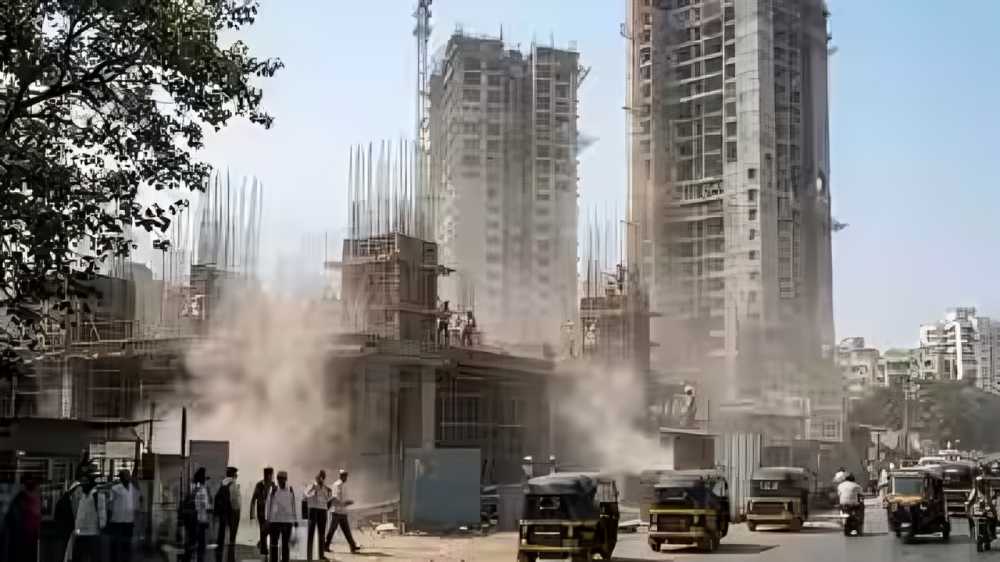
The trend is particularly visible in Bengaluru and MMR. Average housing prices in Bengaluru increased by 24% year-on-year during the first quarter of 2026, while MMR recorded a 20% rise. As a result, relatively affordable micro-markets supported by improving infrastructure are attracting growing interest from end-users.
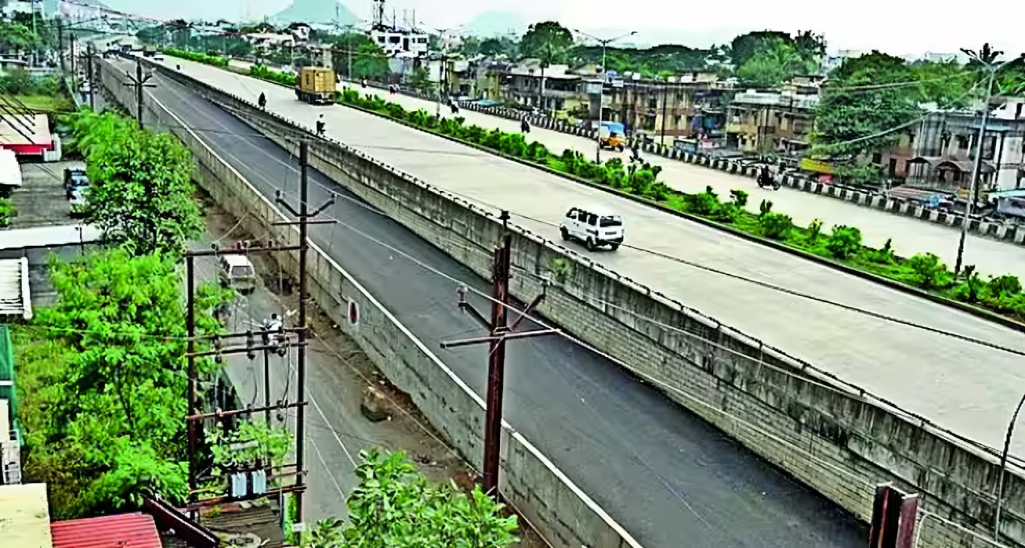
In Bengaluru, projects such as the Peripheral Ring Road (PRR), Satellite Town Ring Road (STRR), Metro Phase 2 and 3 expansions, and airport connectivity initiatives are improving access between outer suburbs and major employment centres. Areas including Sarjapur Road, Whitefield extensions, Hennur, Kanakapura Road and the Hebbal-Yelahanka-Devanahalli corridor are becoming increasingly integrated into the city’s residential landscape. Growth in Global Capability Centres (GCCs), technology parks, logistics facilities and aerospace-related developments is also supporting housing demand in these locations.
A similar transformation is underway in MMR. Infrastructure projects including Metro Lines 4 and 5, the Mumbai Trans Harbour Link (MTHL) and the upcoming Navi Mumbai International Airport are enhancing connectivity between Mumbai and growth centres such as Thane, Panvel, Kharghar and Mira-Bhayandar. Improved transport links are encouraging homebuyers to consider locations that were previously viewed as distant from the city’s core.
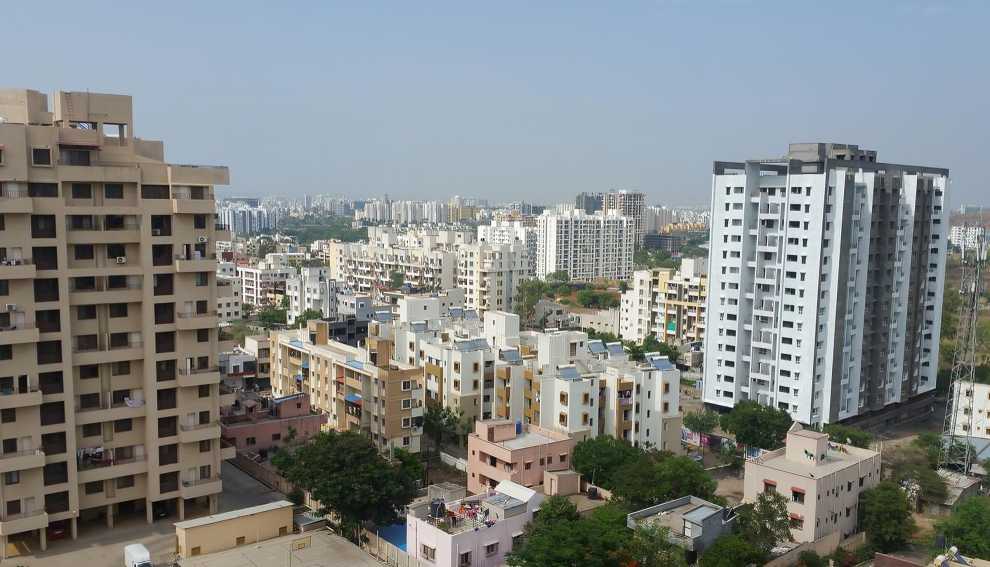
Beyond affordability, buyer priorities are evolving. End-users are increasingly evaluating factors such as commute convenience, access to employment hubs, rental potential, social infrastructure and long-term quality of life. Younger professionals are opting for larger homes and better value propositions in emerging suburban markets rather than established city-centre locations.
Unlike earlier cycles driven largely by speculative investments, current demand is supported by end-user purchases and rental absorption. Industry data indicates that housing supply remains broadly aligned with sales across major cities, reflecting a more balanced market environment.
With inflationary pressures and rising construction costs continuing to affect affordability, infrastructure-linked peripheral corridors are expected to play an increasingly important role in the future growth of Bengaluru and MMR’s residential markets. As connectivity improves and urban expansion continues, these locations are emerging as practical homeownership destinations for buyers seeking long-term value.
Source: The Hindu
- The author of the article is the Founder & CEO of Property First Realty.