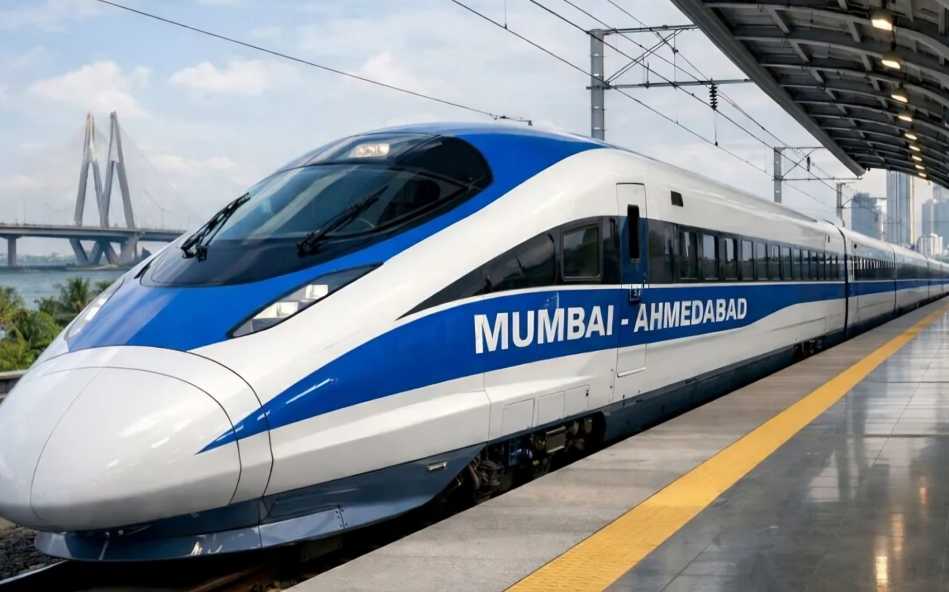

The Mumbai-Ahmedabad High-Speed Rail Corridor, India’s first bullet train project, is expected to reshape real estate markets across Maharashtra and Gujarat by improving connectivity, supporting infrastructure development and attracting fresh investment around its stations.
Spanning 508 kilometres, the high-speed rail corridor will connect Mumbai and Ahmedabad through 12 stations located at Mumbai, Thane, Virar, Boisar, Vapi, Bilimora, Surat, Bharuch, Vadodara, Anand, Ahmedabad and Sabarmati. Besides reducing travel time between the two cities, the project is expected to stimulate residential, commercial and industrial development along the route.
As part of the Make in India initiative, India is also developing indigenous high-speed trains for future operations. The B28 train has been designed to operate at speeds of up to 280 kmph and will initially run on selected sections of the corridor. The B35 train, capable of reaching speeds of up to 350 kmph, is planned for future high-speed rail routes, with the aim of strengthening domestic manufacturing and reducing dependence on imported technology.
Real estate consultants believe improved connectivity could significantly influence property demand around several stations. According to JLL India, large transport infrastructure projects have historically contributed to property price appreciation of around 10% to 20% over a period of several years.
Among the locations expected to benefit are Bandra Kurla Complex (BKC), Thane, Virar, Boisar, Vapi, Surat, Vadodara and Sabarmati. BKC is likely to witness continued demand for premium commercial and luxury residential developments, while Thane and Virar may see growth in residential townships and mixed-use projects. Industrial hubs such as Boisar and Vapi are expected to attract warehousing, logistics and affordable housing developments due to their proximity to manufacturing corridors.
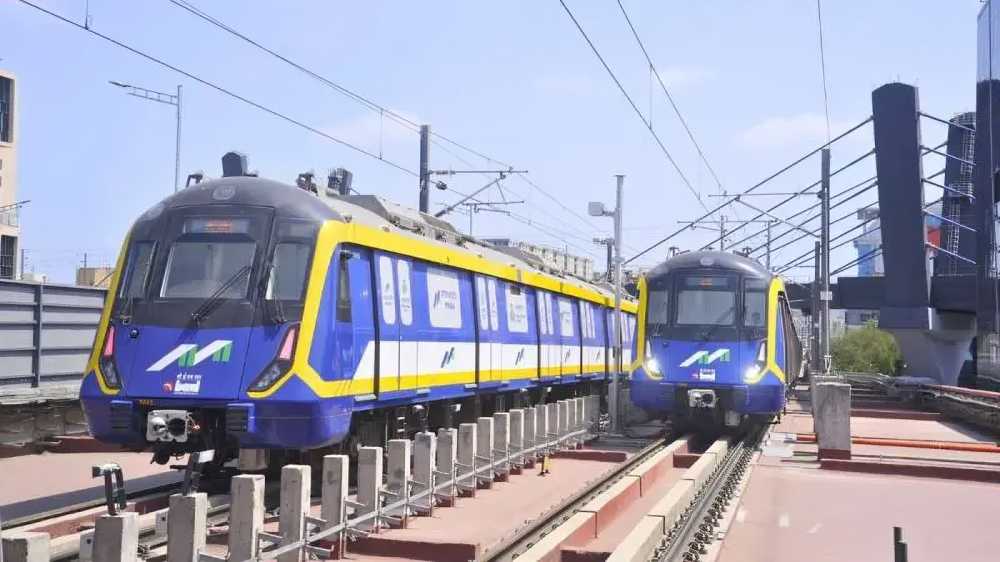
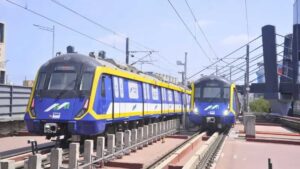
The corridor’s impact is also expected to be supported by complementary infrastructure projects, including the Delhi-Mumbai Industrial Corridor (DMIC), Mumbai Metro, Ahmedabad Metro, the Western Dedicated Freight Corridor, the Mumbai Trans Harbour Link (Atal Setu) and the Delhi-Mumbai Expressway. Together, these projects are expected to strengthen connectivity, improve freight movement and support long-term economic growth, further enhancing the real estate potential of cities and towns located along the Mumbai-Ahmedabad Bullet Train route.
Source: Trade Brains