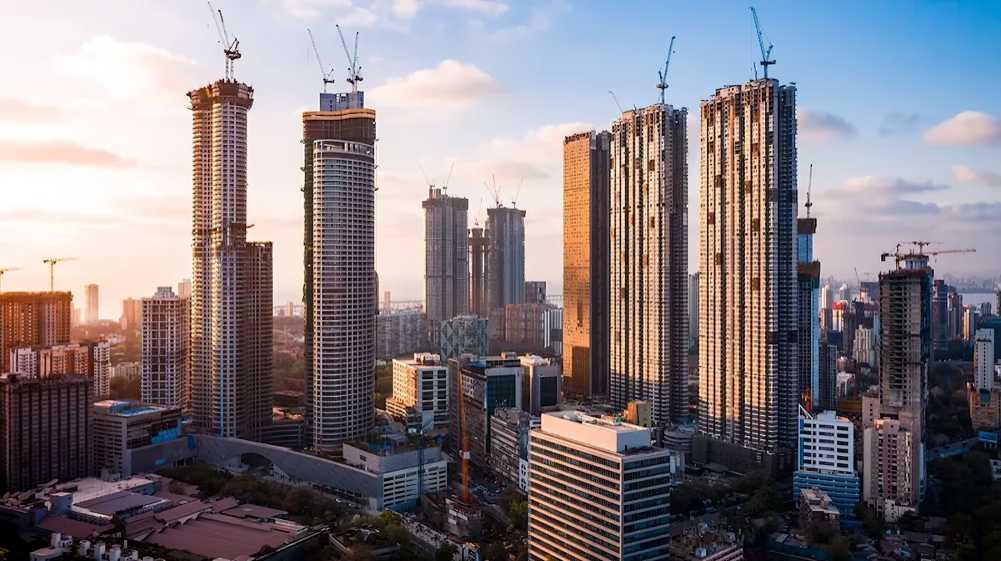

Mumbai’s residential property market is witnessing a shift in buyer behaviour, with homes increasingly being assessed not just as places to live but also as long-term investment assets. Factors such as infrastructure development, rental income potential, premium housing demand and limited land availability are encouraging buyers to compare residential real estate with financial instruments like equities, bonds and gold.
According to Ram Raheja, Managing Director of S Raheja, residential property is now competing for investor capital alongside traditional asset classes. “The language of homebuying is starting to sound a lot like the language of investing,” Raheja said, noting that discussions have moved beyond layouts and possession timelines to focus on rental demand, infrastructure-led appreciation and long-term value creation.
The trend comes despite investors having access to a broader range of financial products. Data from Knight Frank India, based on figures from Maharashtra’s Department of Registrations and Stamps, showed that Mumbai recorded more than 1.5 lakh property registrations in 2025, the highest annual total in 14 years, indicating sustained demand despite rising prices.
The premium housing segment has emerged as a key contributor to this trend. According to JLL, homes priced above Rs 1 crore accounted for nearly 62% of residential sales across India’s top seven cities during the first nine months of 2025, up from 52% during the same period a year earlier, with Mumbai among the leading markets.
Raheja said affluent buyers are increasingly allocating a larger share of their portfolios to residential property despite having investment options across equities, bonds and global assets. “The decision to commit substantial capital to a home reflects how buyers are evaluating residential real estate against other asset classes,” he noted.
Large infrastructure projects, including the Mumbai Metro expansion, Mumbai Coastal Road, Mumbai Trans Harbour Link (MTHL) and several redevelopment initiatives, are also influencing investment decisions. Buyers are increasingly purchasing properties before these projects become operational in anticipation of future appreciation.
Another factor supporting Mumbai’s housing market is the city’s limited land supply. High entry barriers, redevelopment constraints and scarce developable land continue to restrict new supply, helping sustain long-term property values.
Industry experts also highlight Mumbai’s broad demand base, comprising professionals, entrepreneurs, business owners, NRIs and homebuyers, which continues to support the market.
As buyers increasingly evaluate homes based on risk, return, rental yield and long-term appreciation, residential real estate is becoming an important component of investment portfolios alongside conventional financial assets.
Source: Business Today