
The Brihanmumbai Municipal Corporation (BMC) has approved changes to the land-use reservation of more than 11,400 square metres of land across Mumbai within a week, prompting concerns among urban planners and residents over the gradual reduction of public open spaces in the city.
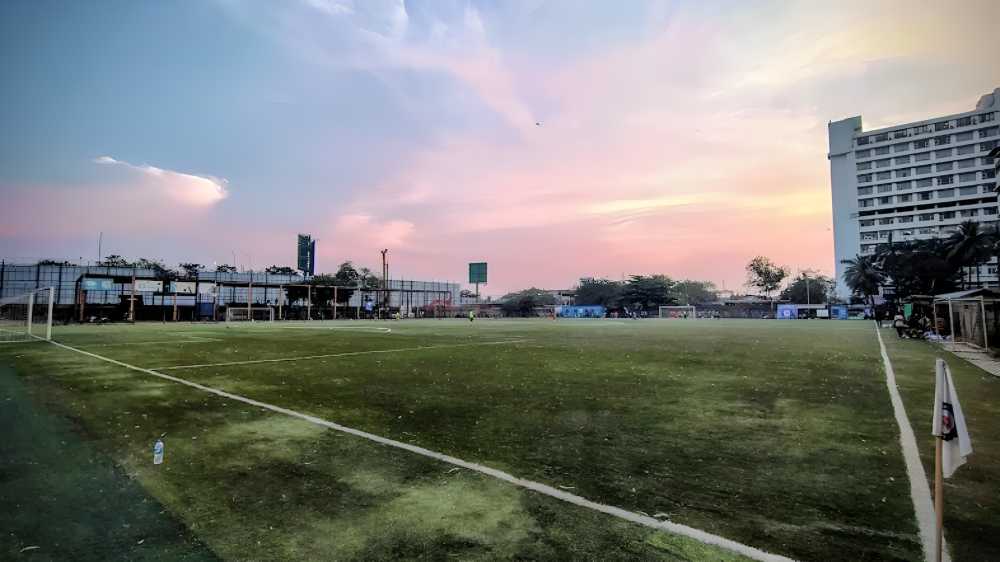
While political attention has largely centred on the civic body’s decision to change the reservation of the 10,000 sq metre Neville D’Souza Football Ground, civic records show that the BMC’s Improvements Committee also approved modifications to two adjoining plots in Oshiwara, Andheri West, measuring more than 1,400 sq metres.
According to official records, a 1,140 sq metre plot originally reserved for public amenities such as hospitals, schools and gardens has been redesignated for a housing project. In addition, a 297 sq metre plot previously earmarked as a recreational ground has been reserved for a postal and telegraph office.
The proposal was initiated following a request from the Maharashtra Housing and Area Development Authority (MHADA), which also sought the deletion of the reservation on the Neville D’Souza Football Ground. MHADA stated that its redevelopment layout in Oshiwara already includes public amenities such as a playground, municipal primary school and secondary school, thereby meeting planning requirements and justifying the change in reservation for the housing project.
The BMC proposal also noted that since a portion of the 1,140 sq metre plot had been reserved for a postal and telegraph office, the adjoining 297 sq metre recreational plot would now serve that purpose after the larger parcel is utilised for residential development.
Urban planning experts have criticised the move, citing Mumbai’s severe shortage of open spaces. Civic records indicate that the city has just 0.87 square metres of open space per person, significantly below the World Health Organization’s recommended 9 square metres per individual.
Alan Abraham, urban planner and archaeologist, said, “Around 30% of the open spaces in Mumbai are either restricted or privately owned with nearly 50% of the overall open spaces unavailable during day time hours.”
Nayana Kathpalia, trustee of NAGAR and Oval Trust, said gardens and open spaces are increasingly important for Mumbai, particularly as the city continues to experience frequent flooding linked to erratic rainfall patterns.
Source: The Indian Express