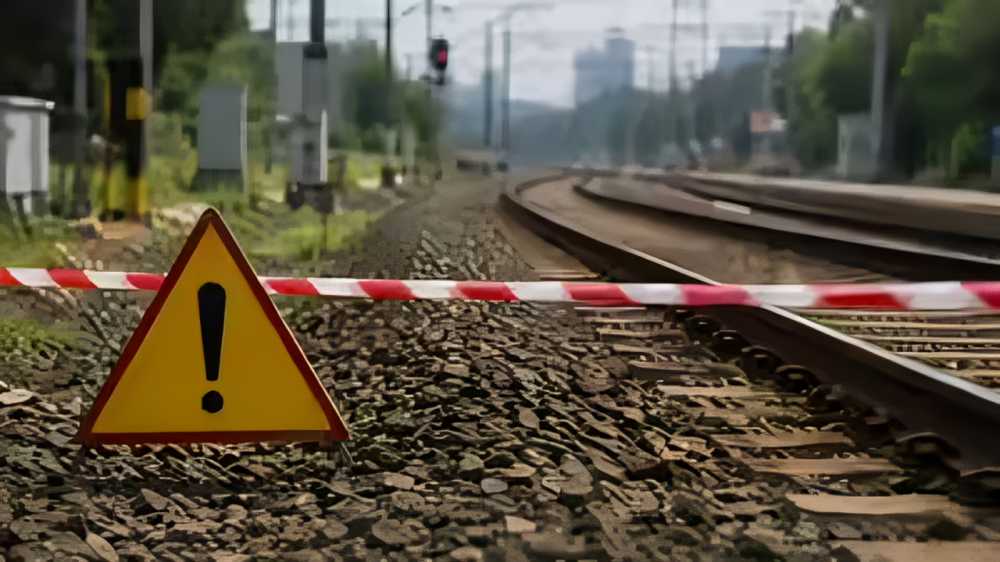

A Central Railway inquiry has concluded that the ground cave-in reported on June 24 between Turbhe and Kopar Khairane stations on Mumbai’s Trans Harbour line was caused by the Maharashtra Industrial Development Corporation (MIDC) using a construction technique that differed from the method approved by the Railways for an underground pipeline project.
According to the inquiry findings, MIDC had received permission to execute the work using the micro-tunnelling method, which is designed to minimise disturbance to the soil beneath active railway tracks. However, the agency is alleged to have adopted the pipe-pushing method instead, resulting in the weakening of the soil supporting the railway tracks and ultimately triggering the cave-in.
The incident led to the suspension of suburban train services on the affected section of the Trans Harbour corridor for nearly two-and-a-half hours. Railway authorities temporarily halted operations to undertake emergency restoration work and ensure passenger safety before services resumed.
Railway officials stated that the approval granted to MIDC required the project to be completed within one year while strictly adhering to the prescribed construction methodology and safety conditions.
Following the findings of the inquiry, Central Railway has initiated penalty proceedings against MIDC for allegedly violating the approved terms and conditions of the project.
Officials also revealed that around 60% of the underground pipeline work has already been completed. Despite the violation, MIDC has been granted an additional three months to complete the remaining work, with the project now expected to be finished by January 2026.
In the wake of the incident, the Railways has decided to strengthen oversight of infrastructure works being carried out near operational railway tracks. Officials said stricter monitoring mechanisms will be implemented to ensure that agencies comply with approved construction methods and safety protocols, with the aim of preventing similar incidents from disrupting suburban rail services and compromising passenger safety in the future.
Source: The Times of India