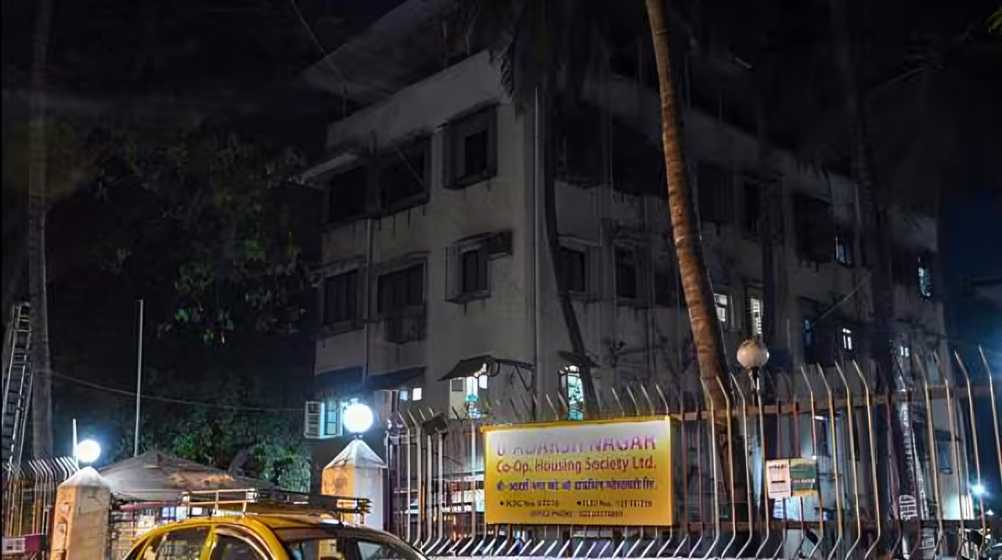

The Bombay High Court has cleared the way for the cluster redevelopment of two of Mumbai’s largest MHADA housing layouts—Bandra Reclamation and Adarsh Nagar in Worli—by dismissing a batch of petitions filed by housing societies and other stakeholders seeking permission to redevelop their properties independently.
A division bench comprising Justices M.S. Karnik and S.M. Modak ruled that MHADA’s cluster redevelopment policy is a valid urban planning measure designed to serve the larger public interest. The court observed that, as both the planning authority and superior lessor, the Maharashtra Housing and Area Development Authority (MHADA) is empowered to regulate redevelopment under the existing statutory framework.
The bench also emphasised that courts should generally refrain from interfering with policy decisions relating to planned urban development and civic infrastructure unless such decisions are proven to be arbitrary or illegal. Accordingly, all 10 writ petitions were dismissed without any order as to costs.
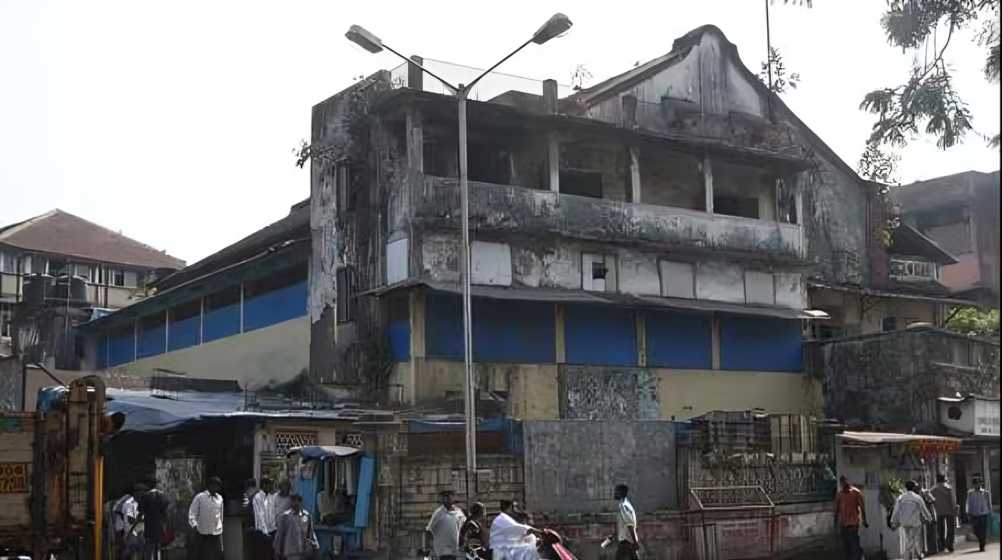
The judgment pertains to the redevelopment of nearly 34.33 acres at Adarsh Nagar and 98.27 acres at Bandra Reclamation, comprising several ageing residential buildings originally developed for middle- and lower-income families. Together, the layouts include around 5,000 housing societies, many of which occupy decades-old structures.
The petitioners had argued that their lease and sub-lease agreements entitled them to undertake independent redevelopment by appointing developers of their choice. They also challenged Maharashtra government resolutions issued in April and December 2025, the redevelopment tender floated in April 2026, and relevant provisions of the Development Control and Promotion Regulations (DCPR), 2034.
Rejecting these claims, the court observed that the petitioners “cannot seek to override public planning policy by claiming unilateral redevelopment rights.”
The bench accepted MHADA’s contention that allowing individual societies to redevelop separately would undermine the objective of integrated planning. It further noted that comprehensive redevelopment would ensure better infrastructure, quality control, accountability and long-term sustainability than isolated redevelopment projects.
The court also rejected objections over MHADA accepting Floor Space Index (FSI) premiums instead of additional affordable housing, recording that the authority is legally entitled to receive such premiums. The redevelopment is expected to generate approximately Rs 1,522 crore in premiums for Adarsh Nagar and around Rs 3,900 crore for Bandra Reclamation.
Emphasising that residents’ rehabilitation rights remain protected under the scheme, the court concluded that public interest outweighs the objections raised by a limited number of societies, allowing the large-scale redevelopment projects to move forward.
Source: Hindustan Times