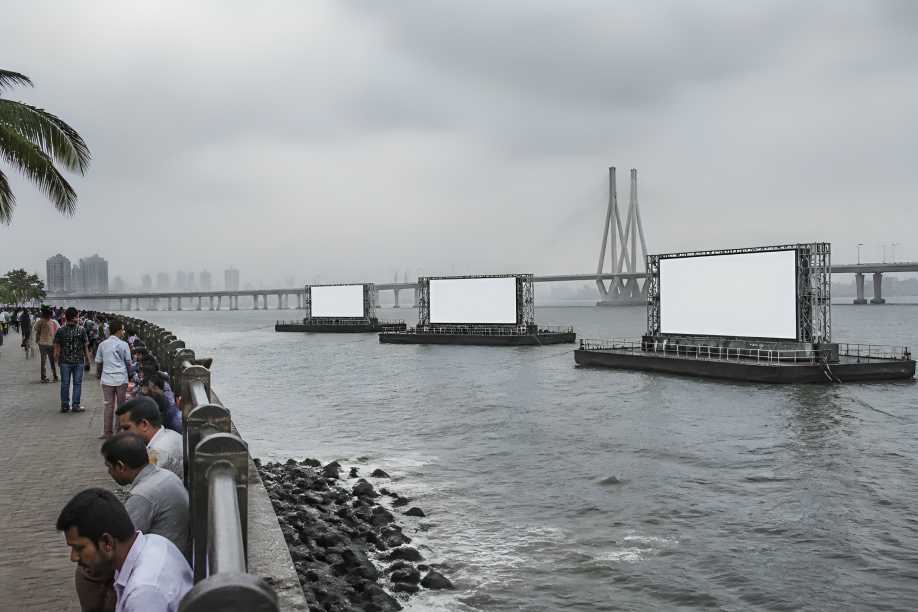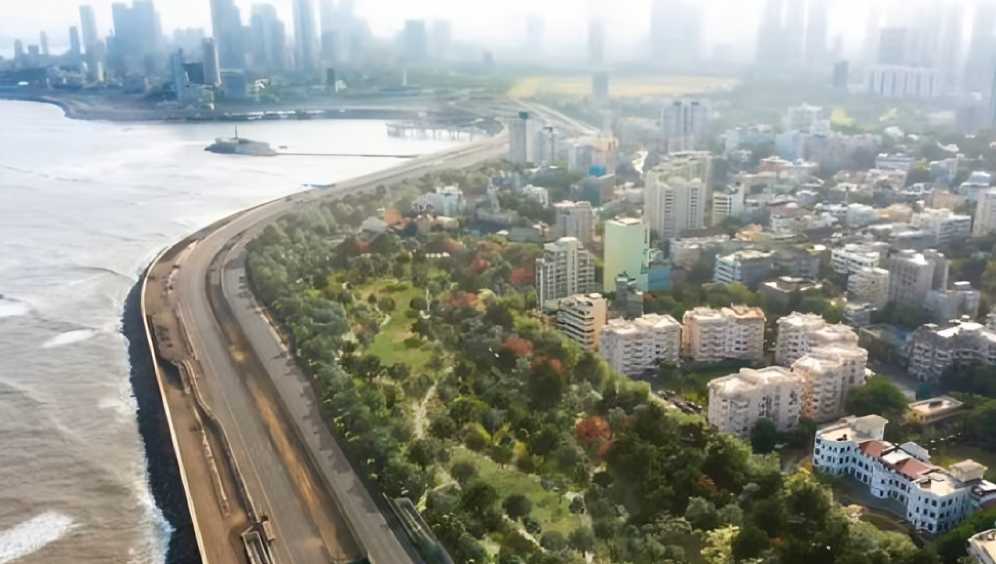

The Brihanmumbai Municipal Corporation (BMC) is expected to unveil the final master plan for the Mumbai Coastal Road Gardens within the next three days after revisions directed by the Supreme Court are incorporated into the proposal. The changes reduce the extent of ticketed recreational areas, ensuring that the majority of the waterfront remains freely accessible to the public.
Spread across nearly 70 hectares between Priyadarshini Park and Worli, the project is envisioned as one of India’s largest urban waterfront green spaces. The proposal was prepared by Reliance Industries, while the project will be executed by the Reliance Foundation.
According to officials from the BMC’s Coastal Road Department, the revised plan restricts ticketed facilities to a maximum of 15% within each of the six themed zones. The remaining 85% will continue to function as open public spaces in line with the Supreme Court’s directions.
The expansive garden project will feature a mix of nature parks, sports facilities, cultural and event spaces, children’s play zones, cycling and jogging tracks, landscaped promenades and public plazas, creating a continuous recreational corridor along Mumbai’s western waterfront.
Despite the revisions, the proposal has continued to draw criticism from several architects and urban planners over the inclusion of paid-access areas within a public open space.
Rahul Kadri of IMK Architects said the BMC’s original Expression of Interest sought corporate participation through CSR funding without flagging any paid component. “Our primary concern is that BMC’s CSR invitation omitted the mention of ticketed entries,” he said, warning that roughly 25 acres of public land would effectively be privatised.
Architect PK Das also questioned the model, stating, “When private agencies invest in developing public open spaces, they naturally look for a revenue model. That defeats the very idea of CSR.”
The Supreme Court, in its January 2026 order, had ruled that the reclaimed coastal land must primarily remain a public open space and cannot be used for real estate development. Subsequently, on June 11, 2026, the court accepted Reliance’s undertaking that at least 85% of every zone would remain open to the public without any entry fee, paving the way for the project’s final approval.
Source: Swarajya