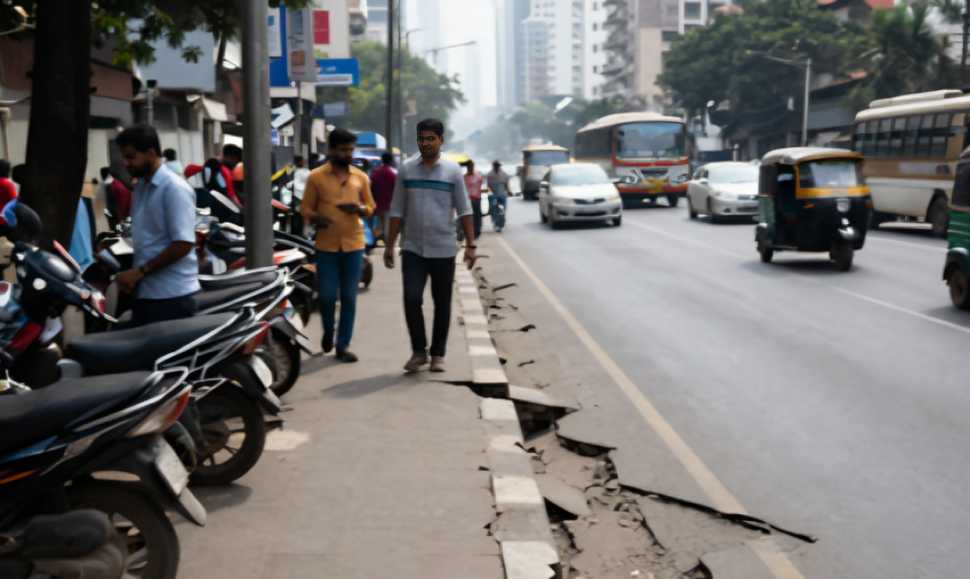

Although more than half of Mumbai’s daily trips are made on foot, safe and continuous footpaths remain unavailable across large parts of the city. Broken pavements, encroachments and missing walkways continue to force pedestrians onto busy roads, raising concerns about safety and accessibility.
The Brihanmumbai Municipal Corporation (BMC) is currently undertaking the concreting of around 2,175 roads. Despite this, pedestrian infrastructure has not kept pace. Mumbai recorded over 1,100 road accident deaths in 2024, while the BMC allocated Rs 5,100 crore to its Roads and Traffic Department in the 2025-26 Budget.
In May 2025, the Supreme Court ruled that access to safe, obstruction-free and accessible footpaths is a fundamental right under Article 21 of the Constitution. The court directed all states to frame pedestrian safety guidelines. However, national guidelines are yet to be finalised.
The BMC’s existing “Pedestrian First” policy prescribes minimum footpath widths and mandates the removal of encroachments. It also announced a Universal Footpath Policy and floated a tender worth over Rs 100 crore in November 2025 to upgrade footpaths across 14 roads spanning 16.55 km. However, compared to Mumbai’s nearly 2,000 km road network, the coverage remains limited.
Pedestrian-friendly infrastructure is relatively better in South Mumbai, including Fort, Churchgate, Colaba and Marine Drive, while some suburban stretches such as the Andheri-Kurla Road have improved following Metro-related works. However, eastern suburbs, slum pockets and densely populated areas including Govandi, Mankhurd, Kurla, Bhandup and Dharavi continue to face a severe shortage of usable footpaths.
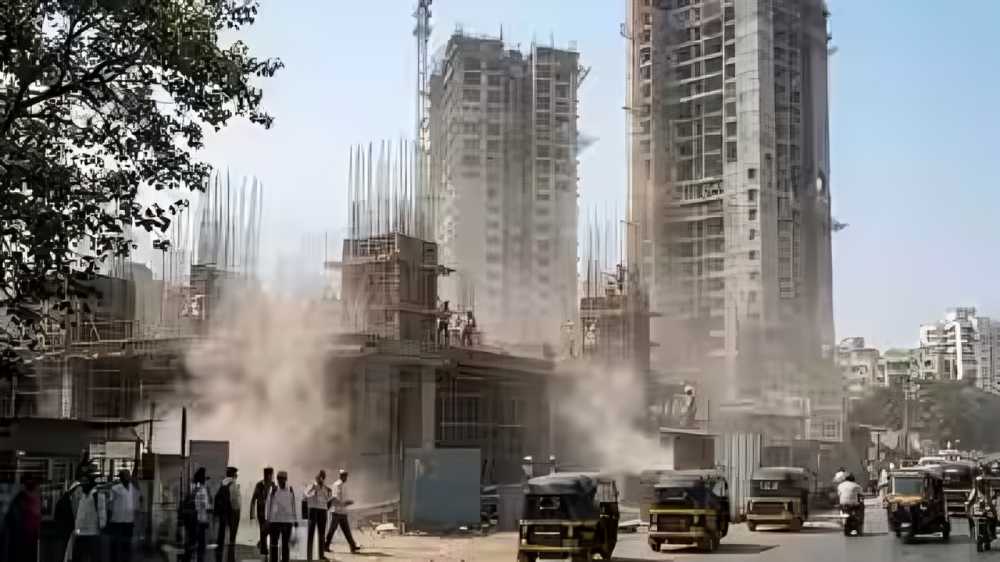
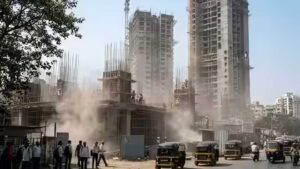
Urban experts have also highlighted recurring issues such as encroachments, uneven paving, damaged surfaces, construction-related disruptions and poor accessibility for persons with disabilities.
While demonstration projects and new policies indicate progress, implementation remains limited. As Mumbai continues to expand, experts say improving pedestrian infrastructure will be critical to ensuring safer, more accessible and inclusive urban mobility.
Source: Prop News Times