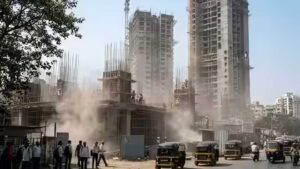

The Mumbai Metropolitan Region Development Authority (MMRDA) has relocated 174 families to facilitate the construction of terminal stations for the proposed Pod Taxi system in the Bandra-Kurla Complex (BKC), removing a key hurdle in the implementation of the ambitious urban mobility project.
The rehabilitation exercise enables work to move forward on what is expected to be India’s first large-scale Personal Rapid Transit (PRT) system, aimed at improving last-mile connectivity in one of Mumbai’s busiest commercial hubs.
The Pod Taxi network is being planned to cater to the growing commuter traffic in BKC, where an estimated four to six lakh people travel daily. Passenger numbers are expected to rise further with upcoming infrastructure projects such as the Mumbai-Ahmedabad High-Speed Rail corridor and additional commercial developments in the area. The automated transit system will provide direct connectivity between BKC and the suburban railway stations at Bandra and Kurla, reducing reliance on road transport.
The project was approved after a Techno-Economic Feasibility Study (TEFS), independently reviewed by Tata Consulting Engineers (TCE), concluded that the Pod Taxi system was the most suitable solution considering BKC’s traffic conditions, limited road space and future commuter demand. The selected technology provider, Ultra PRT, has previously implemented a similar automated transport system at Heathrow Airport in London.
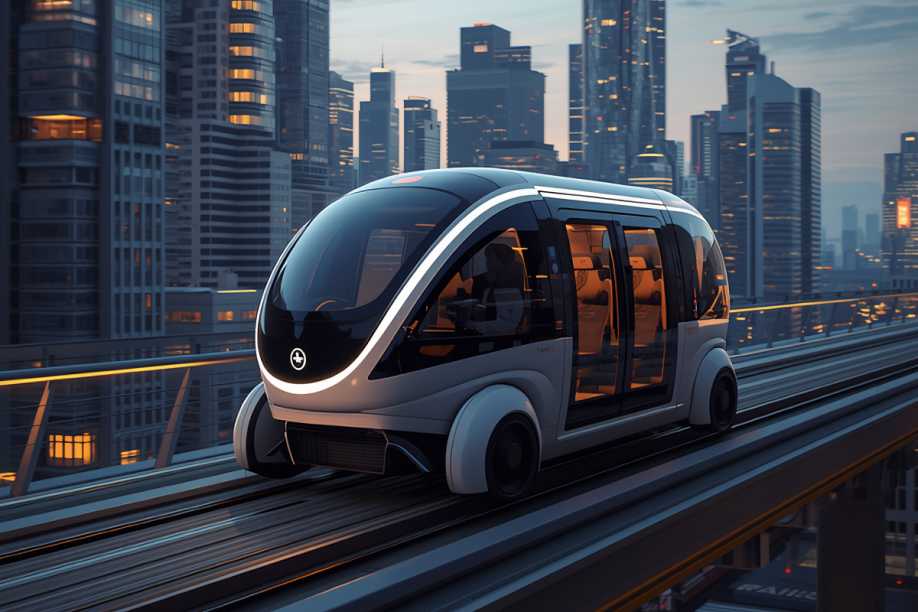
The fully autonomous pods will operate at intervals of 15 to 30 seconds, allowing passengers to travel directly between stations without intermediate stops. The system is expected to reduce waiting times, improve travel efficiency and ease traffic congestion around BKC.
The ₹1,016.34-crore project will be executed through a Public-Private Partnership (PPP) model. Sai Green Mobility Private Limited has been appointed as the concessionaire under the Design, Finance, Build, Operate and Transfer (DFBOT) model. Construction is expected to take three years, followed by a 30-year concession period.
With land now available for terminal construction, MMRDA is set to begin the next phase of execution, bringing Mumbai a step closer to introducing a technology-driven solution for urban last-mile connectivity.
Source: Prop News Time